Plant Overview
Known as the African Sword Fern or the Wavy Sword Fern, this resilient beauty is a standout member of the Nephrolepis family. Unlike its more common cousin, the Boston Fern, this species is a seasonal shapeshifter native to the tropical regions of Africa. It is famous for its "disappearing act," where it retreats into hidden underground tubers during dry spells, only to burst back to life when the humidity returns.
🔍 How to Identify
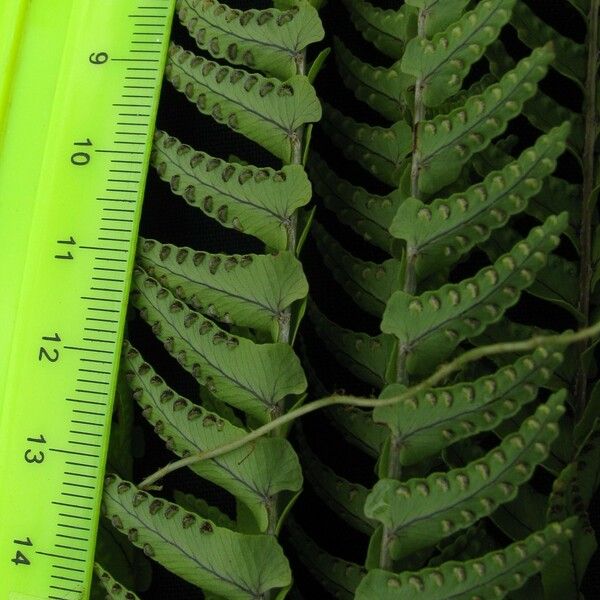
- 🌊 Wavy Fronds: The most striking feature is the "undulated" or ruffled edges of its light-green leaflets, which give the plant a soft, textured appearance.
- 🏹 Sword Shape: The fronds grow in long, arching shapes that can reach up to two feet in length, creating a lush, fountain-like silhouette.
- 🥔 Hidden Tubers: If you were to peek beneath the soil, you would find small, round, potato-like tubers. These are energy storage units that distinguish it from many other common ferns.
🏡 In Your Garden
- 💤 The Resting Phase: Don't panic if your plant loses its leaves in the winter! This fern is deciduous. It uses its tubers to survive "dormancy," waiting for warmer, wetter weather to push out fresh new growth.
- 💧 Humidity is Key: While it is tougher than many ferns, it still dreams of the rainforest. It thrives in high humidity and bright, filtered light—direct afternoon sun will quickly scorch those delicate, wavy edges.
⚠️ Safety & Toxicity
- ✅ Pet Friendly: The Nephrolepis undulata is generally considered non-toxic to cats, dogs, and horses.
- 👶 Safe for Humans: It is safe to keep around children, though it's always best to discourage munching on any houseplant to avoid minor stomach upset or choking hazards.
✨ Fun Fact
The African Sword Fern is a master of survival; in its native habitat, it can even grow as an "epiphyte" (on trees) or among rocks, using its specialized tubers to store water like a biological battery during the African dry season!

Detailed Care Instructions
Growing Nephrolepis undulata (also known as the Isabella fern) can be a rewarding experience, as these ferns are known for their lush, feathery fronds. Here’s a step-by-step guide to help you successfully grow and care for this plant:
1. Selecting the Right Environment
- Light: Nephrolepis undulata prefers bright, indirect light. Avoid direct sunlight, which can scorch the fronds. It's an excellent plant for north or east-facing windows.
- Temperature: Ideal temperatures range between 60-75°F (16-24°C). Keep it away from cold drafts and sudden temperature fluctuations.
2. Soil and Potting
- Soil: Use a well-draining potting mix. A mixture designed for ferns or a mixture of peat moss, perlite, and standard potting soil is ideal.
- Pot: A pot with drainage holes is essential to prevent water from sitting in the base.
3. Watering
- Consistency: Keep the soil consistently moist but not waterlogged. Water when the top inch of soil feels dry.
- Method: Water the plant thoroughly, allowing excess water to drain out. Avoid letting the pot sit in water.
4. Humidity
- Required Level: Nephrolepis undulata enjoys high humidity levels. Aim for around 50% or higher.
- Humidity Increase: To increase humidity, use a humidifier, place the pot on a tray filled with pebbles and water (ensuring the pot doesn't touch the water), or mist the leaves regularly.
5. Fertilizing
- Frequency: Feed your fern with a balanced liquid houseplant fertilizer diluted to half strength every 4-6 weeks during the growing season (spring and summer).
- Winter: Reduce feeding during the fall and winter when the plant’s growth naturally slows down.
6. Pruning and Cleaning
- Regular Maintenance: Trim dead or yellowing fronds to encourage new growth and improve the plant’s appearance.
- Dusting: Wipe the fronds with a damp cloth to keep them dust-free and enable better photosynthesis.
7. Repotting
- Frequency: Repot every 1-2 years or when the plant outgrows its pot. Spring is the best time for repotting.
- Method: Carefully remove the plant from its old pot, shake off excess soil, and place it into a new pot with fresh potting mix.
8. Pests and Problems
- Common Pests: Watch out for pests like spider mites, aphids, and scale. Use insecticidal soap or neem oil if needed.
- General Health: Yellowing or dropping fronds can indicate overwatering, underwatering, or low humidity levels.
By following these guidelines, you can create an optimal environment for your Nephrolepis undulata and enjoy its lush, vibrant fronds. Happy gardening!
To water this plant, ensure that the soil is evenly moist, but not waterlogged. The frequency of watering will depend on the climate and conditions in your home, but aim to water it once a week or when the top inch of soil feels dry to the touch. When watering, pour water slowly and evenly over the soil until the excess drains out the bottom of the pot. Avoid getting water on the leaves, as this can lead to fungal problems and discoloration. Additionally, consider using room-temperature or lukewarm water, rather than cold water, to prevent shocking the plant's roots.
Here are fertilizing instructions for Nephrolepis Undulata:
- Type of Fertilizer: Use a balanced, water-soluble houseplant fertilizer with a ratio such as 20-20-20 or 10-10-10. Alternatively, you can opt for a fertilizer specifically formulated for ferns.
- Dilution: Dilute the fertilizer to half the recommended strength to avoid over-fertilizing, which can harm the plant.
- Frequency: Fertilize every 4-6 weeks during the growing season, which is typically spring through early autumn. This is when the plant is actively growing and can make the best use of the nutrients.
- Method: Apply the diluted fertilizer directly to the soil. Ensure the soil is moist before fertilizing to help distribute nutrients more evenly and prevent root burn.
- Winter Care: Reduce fertilization frequency during the winter months when the plant's growth slows. Fertilizing once every 2-3 months during this period should suffice.
- Signs of Over-Fertilization: Watch for signs of over-fertilization, such as browning of the leaf tips or a white crust on the soil surface. If these appear, flush the soil with water to remove excess fertilizer and allow the plant to recover.
By following these guidelines, you can ensure your Nephrolepis Undulata receives the appropriate nutrients for healthy growth.
The best soil for Nephrolepis Undulata should be well-draining and fertile. It should contain a mix of organic matter and inorganic materials, such as perlite or sand, to ensure proper aeration and drainage. The soil pH should be slightly acidic, around 6.0-6.5. The plant is sensitive to waterlogging, so the soil should not retain too much moisture. Using a high-quality potting mix specifically designed for ferns would be ideal. Additionally, adding a slow-release fertilizer or a liquid fertilizer every two to three weeks during the growing season can help boost growth.
Sure, propagating Nephrolepis undulata, a type of fern, can be accomplished primarily through two methods: division and runners (stolons).
Method 1: Division
- Timing: The best time to propagate through division is during the plant's active growing season, typically in spring.
- Preparation: Choose a healthy parent plant with a robust root system and multiple crowns. Water the plant thoroughly the day before you plan to divide it to make the soil easier to work with.
- Removal: Gently remove the plant from its pot or if it's in the ground, carefully dig it up. Shake off excess soil to expose the root structure.
- Division: Using a sharp, sterile knife or garden shears, divide the root ball into sections. Each section should have at least one crown and a healthy portion of the root system.
- Planting: Plant each division in a separate pot filled with a well-draining, peat-based potting mix. Make a hole in the soil, place the division, and fill the hole back in to stabilize the plant.
- Care: Water the new plants thoroughly and place them in a location with indirect sunlight. Maintain high humidity and keep the soil moist, but not waterlogged. Avoid direct sunlight, which can scorch the leaves.
Method 2: Runners (Stolons)
- Identification: Look for runners, which are long, slender stems that grow horizontally from the main plant. Along these runners, new plants (pups) will form.
- Preparation: Wait until the pups have developed their own roots, making them ready for separation. This usually happens when the pup is a few inches tall and has a few leaves.
- Separation: Cut the runner with a pair of sharp, sterile scissors or a knife. Make sure to cut as close to the main plant as possible to ensure the pup has a good root system attached.
- Planting: Plant the newly separated pup in a small pot filled with a well-draining, peat-based potting mix. Make a hole large enough to accommodate the roots, place the pup in the hole, and fill in with soil.
- Care: Water the newly planted pup thoroughly and place it in a location with indirect sunlight and high humidity. Maintain moist soil conditions, similar to the care for divisions.
General Care Tips for Propagated Plants
- Watering: Consistently keep the soil moist but not soggy.
- Humidity: These ferns thrive in high humidity. Consider misting the plants regularly or placing a humidity tray nearby.
- Light: Place in bright, indirect light. Direct sunlight can be too harsh and cause the leaves to burn.
- Temperature: Ideal temperatures range between 60-75°F (16-24°C).
By following these propagation methods, you can increase your collection of Nephrolepis undulata and enjoy its lush, green foliage.








