Plant Overview
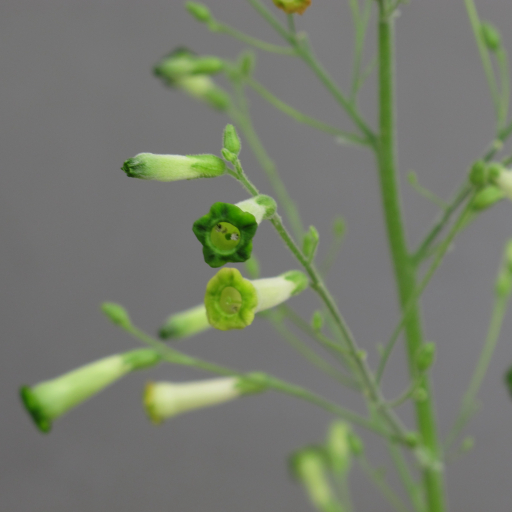
Known as the Panicled Tobacco or Long-flowered Tobacco, Nicotiana paniculata is a statuesque beauty that adds a touch of architectural grace to any landscape. Native to the dry slopes of the Andes in Peru and Chile, it was one of the earliest tobacco species introduced to European gardens in the 1700s. While it lacks the bold colors of hybrid petunias, its lime-green, bell-shaped blossoms offer a sophisticated, "cool" aesthetic that seems to glow during the golden hour.
🔍 How to Identify
- 🔔 The Flowers: Slender, tubular blooms that are pale greenish-yellow. They hang in airy, branched clusters (panicles) at the top of the stems.
- 🍃 The Foliage: Large, heart-shaped or ovate leaves that are soft to the touch but covered in sticky, glandular hairs.
- 📏 Growth Habit: An upright, branching annual or short-lived perennial that can reach heights of 3 to 5 feet, giving it a see-through, ethereal quality in a border.
🏡 In Your Garden
- 🌱 Root Sensitivity: Like many in the tobacco family, this plant develops a sensitive root system. It is best to sow seeds directly or transplant very carefully while young to avoid "stunting" its growth.
- 🦋 Pollinator Magnet: While humans might find the scent subtle, the long tubular flowers are a specialized feast for long-tongued moths and hummingbirds who visit at dusk.
- ☀️ Self-Seeding Nature: It is a prolific seed producer. If you don't deadhead the spent panicles, expect to see "volunteer" seedlings popping up the following spring, though they are easy to manage.
⚠️ Safety & Toxicity
- 🚫 Status: Toxic if Ingested.
- 🐾 Details: All parts of the plant contain nicotine and other alkaloids. It is toxic to dogs, cats, and horses. In humans, ingestion can cause nausea or dizziness.
- 🧤 Skin Protection: Some gardeners may experience "Green Tobacco Sickness" (a mild nicotine absorption through the skin) if handling large amounts of wet foliage without gloves.
✨ Fun Fact
Nicotiana paniculata played a silent but vital role in the history of science! It was one of the primary species used by early botanists in the 18th and 19th centuries to conduct some of the world's first controlled plant hybridization experiments, long before we fully understood modern genetics.

Detailed Care Instructions
To grow Nicotiana Paniculata, also known as Wild Tobacco or Showy Tobacco, follow these steps:
- Choose a suitable location: Select a spot that receives full sun to partial shade (4-6 hours of direct sunlight per day). The soil should be well-draining and fertile.
- Prepare the soil: Clear the area of any weeds or debris before planting. Loosen the soil using a garden fork or tiller, and mix in compost or well-rotted manure to improve fertility.
- Start seeds indoors (optional): Nicotiana Paniculata can be grown from seeds. Start the seeds indoors about 6-8 weeks before the last frost date in your area. Sow the seeds in small pots or seed trays filled with seed-starting mix. Keep the soil moist and provide warmth and indirect sunlight until the seeds germinate.
- Transplant or sow seeds outdoors: Once the danger of frost has passed, you can directly sow the seeds outdoors. Alternatively, if you started seeds indoors, transplant the seedlings outdoors when they are about 4-6 inches tall and the soil has warmed up.
- Planting: Dig a hole slightly larger than the root ball of the plant or the size of the pot, and place the plant at the same depth it was previously growing. If you are sowing seeds directly, sprinkle them onto the prepared soil and lightly cover them with a thin layer of soil.
- Watering: Water the plants thoroughly after planting or sowing seeds, and thereafter deeply once or twice a week. Avoid overwatering as it can lead to root rot. Allow the top inch of soil to dry between watering.
- Mulching: Apply a layer of organic mulch around the plants to conserve moisture, suppress weed growth, and regulate soil temperature.
- Fertilizing: Feed the plants with a balanced, slow-release fertilizer or liquid fertilizer every 4-6 weeks during the growing season to promote healthy growth and abundant blooms. Follow the manufacturer's instructions for application rates.
- Pruning: Remove spent flowers regularly to encourage continuous blooming and prevent seed formation. Pinch back the stems if they start to appear leggy to promote bushier growth.
- Pests and diseases: Keep an eye out for common garden pests like aphids, caterpillars, or snails. Treat any infestations promptly with organic insecticides or hand-pick the pests. Pay attention to signs of diseases such as leaf spot or wilting, and take appropriate measures like removing affected plant parts or applying fungicides if necessary.
By following these steps, you can successfully grow Nicotiana Paniculata and enjoy its beautiful showy flowers throughout the growing season.
To water the plant, you should first check the soil moisture level by feeling the soil with your fingers. If the soil feels dry to the touch, proceed with watering. Use a watering can or hose with a gentle flow to avoid disturbing the soil or damaging the plant. Aim the water directly at the base of the plant, avoiding the leaves and flowers. Water until the soil is evenly moist, but not waterlogged. Avoid over-watering as this can lead to root rot and other issues. It is also important to note that the plant prefers well-draining soil, so be mindful of drainage when watering.
To fertilize this plant, you should use a balanced fertilizer with equal parts nitrogen, phosphorus, and potassium. Apply the fertilizer every two weeks during the growing season, following the package instructions for the appropriate amount to use. Be sure to water the plant thoroughly before and after fertilizing, and avoid getting fertilizer on the leaves.
The ideal soil for Nicotiana Paniculata plant is a well-draining, moderately fertile soil that is slightly acidic with a pH range of 6.0 to 7.0. It should be rich in organic matter and provide good aeration to the roots. Adding compost or aged manure to the soil can improve soil fertility and structure. The plant requires a soil that is moist but not waterlogged, as it is susceptible to root rot if the soil is too wet. Adding sand to the soil can help improve its drainage. Avoid using heavy clay soils, as they tend to hold onto too much moisture and can suffocate the roots. The plant prefers a sunny location, so the soil should be able to receive adequate sunlight. Additionally, the soil should be well-maintained and free from pests and diseases that could harm the plant's health.
To propagate this particular plant, you will need to take stem cuttings from an adult plant during the spring or summer months. The cutting should be approximately 4-6 inches long and should have a few healthy leaves on it. Remove the leaves from the bottom 2 inches of the stem and dip the cut end into rooting hormone powder.
Next, prepare a potting mix of equal parts perlite and peat moss and moisten it. Make a hole in the potting mix with a pencil and gently place the cutting into the hole. Firm the soil around the stem and water the cutting thoroughly.
To maintain the required humidity for the cutting to root, cover the pot with a plastic bag and place it in a warm and bright spot, but out of direct sunlight. Check the cutting regularly for moisture and remove the bag once the cutting has established roots, which should take about 3-4 weeks.
After the roots have established, the plant can be repotted into a larger pot or planted directly into the garden. Keep the new plant well-watered and in a bright spot until it is established.








