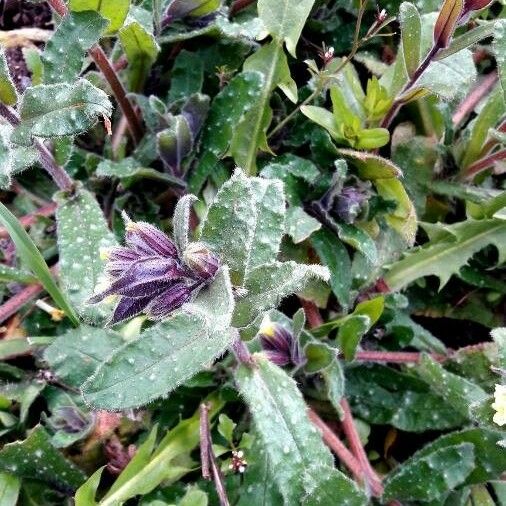
Plant Overview
Often called the Yellow Monkswort, this charming member of the Borage family is a hidden gem for those who love "wild" aesthetics. Originally hailing from Southeast Europe and Western Asia, it is a hardy pioneer plant that often surprises gardeners by popping up in gravel paths or sunny meadows. With its sun-drenched blossoms and bristly texture, it brings a rustic, cottage-core vibe to any landscape.
🔍 How to Identify
- 🌼 The Blooms: Small, funnel-shaped flowers that are a distinct buttery yellow. They usually grow in coiled clusters at the ends of the stems, uncurling as they bloom.
- 🌿 Bristly Foliage: The entire plant is covered in stiff, "hispid" hairs. These give the lance-shaped leaves a slightly rough, sandpaper-like texture and a soft silvery-green hue.
- 🌱 Growth Habit: It typically grows as a low-mounded annual or biennial, reaching about 12 inches in height, often spreading outward before it reaches upward.
🏡 In Your Garden
- ☀️ Sun Seeker: This plant is incredibly drought-tolerant once established. It thrives in poor, well-drained soil where more delicate flowers might wither, making it perfect for rock gardens.
- 🦋 Pollinator Magnet: Because it blooms early and has deep nectar wells, it is a vital early-season food source for long-tongued bees and butterflies.
- 🚜 The Wanderer: Be aware that Yellow Monkswort is a prolific self-seeder. If you plant it once, expect to see "volunteers" popping up in different spots next spring—it loves to explore the garden on its own terms.
⚠️ Safety & Toxicity
- 🧤 Skin Irritation: The stiff hairs on the stems and leaves can be quite prickly. If you have sensitive skin, handling the plant without gloves might cause a mild, itchy rash.
- 🐾 Pet Safety: Like many members of the Boraginaceae family, it contains small amounts of pyrrolizidine alkaloids. While not typically considered "deadly," it is best to keep curious pets from grazing on the foliage to avoid stomach upset.
✨ Fun Fact
The name Nonea honors the 18th-century German botanist Johann Philipp Nonne. Despite its somewhat "weedy" reputation in some regions, it was historically valued in folk medicine for its supposed cooling properties, though today it is strictly enjoyed for its cheerful yellow face!

Detailed Care Instructions
To grow Nonea Lutea plants, follow these steps:
- Climate and soil requirements: Nonea Lutea plants prefer a Mediterranean climate with mild winters and warm summers. They thrive in well-draining, sandy or loamy soil. Ensure the soil pH is slightly acidic to neutral.
- Planting time: Sow Nonea Lutea seeds in late summer or early fall, as they require a period of cold stratification to break dormancy.
- Seed treatment: Soak the Nonea Lutea seeds in water for 24 hours before planting. This will help soften the hard seed coat and improve germination rates.
- Germination: Sow the seeds in pots or directly in the garden bed, gently pressing them into the soil. Cover the seeds lightly with a thin layer of soil. Water thoroughly, but avoid waterlogging the soil. Place the pots or the garden bed in a cold frame or unheated greenhouse, or simply outside during winter.
- Cold stratification: Allow the seeds to go through a period of cold stratification for about 4-6 weeks. This can be achieved by leaving the pots or the garden bed outside during winter. Alternatively, you can place them in a refrigerator at a temperature of around 40°F (4°C).
- Transplanting: Once spring arrives and the danger of frost has passed, transplant the seedlings to their permanent location or into larger pots. Space them approximately 2-3 feet apart to allow for growth.
- Care and maintenance: Water Nonea Lutea plants regularly, keeping the soil consistently moist but not overly saturated. Ensure they receive full sun to partial shade. Mulching around the plants can help retain moisture and suppress weeds. Fertilize annually with a balanced, organic fertilizer in early spring.
- Propagation: Nonea Lutea plants can also be propagated through root division. Dig up an established plant in early spring and carefully separate the roots into smaller sections. Replant these sections in prepared soil, following the steps mentioned above.
- Pests and diseases: Nonea Lutea plants are generally resistant to pests and diseases. However, watch for signs of common issues, such as aphids or powdery mildew, and treat accordingly with organic or chemical solutions.
- Harvesting: Nonea Lutea plants produce attractive, yellow flowers in late spring or early summer. Enjoy their beauty in the garden or cut the flowers for floral arrangements.
Remember to always follow local gardening regulations and seek specific advice tailored to your region for the best success in growing Nonea Lutea plants.

Place in a bright room that is sun drenched almost all day. Or directly in a south-facing window.
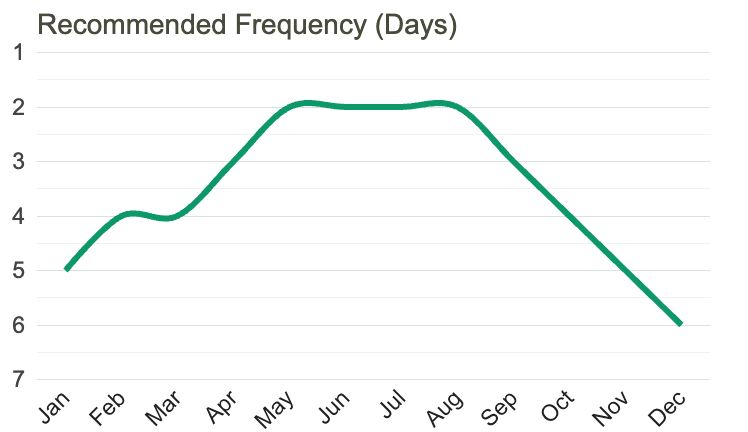
To properly water Nonea Lutea, it is important to understand its specific watering needs. Here's a detailed guide:
1. Soil type: Ensure the plant is potted in well-draining soil that can hold moisture without becoming waterlogged. A mixture of potting soil, perlite, and sand can be a suitable choice.
2. Watering frequency: Nonea Lutea prefers to be kept consistently moist but not overly saturated. Water the plant when the top inch of soil feels dry to the touch, usually once or twice a week during the growing season.
3. Watering method: Pour water slowly and evenly onto the soil surface until it starts to drain from the bottom of the pot. Avoid wetting the foliage as this can increase the risk of diseases.
4. Water quantity: Water thoroughly, ensuring that the entire root zone gets moistened. This helps to encourage healthy root development and prevents waterlogging.
5. Avoid overwatering: Ensure that the pot has adequate drainage holes to prevent water from accumulating in the bottom. Overwatering can lead to root rot and other fungal issues, so it is crucial to give the soil enough time to dry out between waterings.
6. Adjusting for seasons: During winter or when the plant enters a dormant period, reduce the frequency of watering. Nonea Lutea requires less water during these periods since its growth slows down.
7. Environmental factors: Consider the prevailing environmental conditions such as temperature, humidity, and sunlight intensity. Higher temperatures and increased light exposure may result in faster drying out of the soil, necessitating more frequent watering.
8. Observation: Regularly monitor the plant’s condition and evaluate the moisture levels in the soil. Wilting or browning of leaves can indicate under-watering, while yellowing or root rot may suggest over-watering.
Remember that these guidelines are general, and it's always advisable to closely monitor individual plants, adjusting the watering routine accordingly.
To ensure proper fertilization for the Nonea Lutea plant, follow these instructions:
- Use a balanced water-soluble fertilizer formulated for flowering plants or a slow-release granular fertilizer with an NPK ratio of approximately 10-10-10.
- Dilute the fertilizer according to the manufacturer's instructions.
- Apply the fertilizer during the active growing period, typically in spring and summer.
- Before applying the fertilizer, ensure the soil is moist to prevent fertilizer burn.
- Depending on the formulation, pour the diluted liquid fertilizer around the base of the plant or sprinkle the granular fertilizer evenly over the soil surface.
- Avoid direct contact between the fertilizer and the plant's foliage to prevent leaf burn.
- After applying the fertilizer, water the plant thoroughly to help distribute the nutrients and prevent any potential root damage.
- Repeat the fertilization process every four to six weeks during the growing season, but avoid excessive fertilization, which can harm the plant.
- Monitor the plant's overall health and adjust the fertilization frequency or dosage if necessary.
- Always follow the specific instructions provided by the fertilizer manufacturer for best results.
For optimal growth and health of the Nonea Lutea plant, it is recommended to use a well-draining soil that retains moisture without becoming waterlogged. The ideal soil composition for this plant generally consists of a mix of loamy, sandy, and slightly acidic soil.
Loamy soil, which is a balanced mixture of sand, silt, and clay, provides good drainage while retaining enough moisture for the plant's root system. This type of soil allows for proper aeration and prevents water from pooling around the roots and causing rot.
Sandy soil is beneficial for Nonea Lutea because it promotes excellent drainage and allows water to move freely through the soil. It also facilitates oxygen exchange, which is crucial for healthy root development. However, sandy soil tends to dry out quickly, so adding organic matter can help improve its ability to retain moisture.
Slightly acidic soil is favored by Nonea Lutea as it provides optimal conditions for nutrient uptake and overall growth. A pH range of around 6.0 to 6.5 is suitable, ensuring that essential minerals are readily available to the plant.
To create an ideal soil mix for Nonea Lutea, combine equal parts of loamy soil and coarse sand with a small amount of well-decomposed organic matter, such as compost or leaf mold. This will enhance soil fertility and water holding capacity while still maintaining excellent drainage.
Regular monitoring of the moisture levels in the soil is important, as Nonea Lutea prefers slightly moist conditions without becoming waterlogged. Adjust watering frequency accordingly, allowing the soil to partially dry out between waterings to prevent overwatering.
It's worth noting that Nonea Lutea is a hardy plant and can adapt to different soil conditions, but ensuring it has the appropriate soil type will greatly enhance its overall health and longevity. Regular fertilization and periodic soil testing can also help maintain proper soil nutrition and pH levels for optimal growth.
Nonea lutea is a perennial plant that can be propagated through various methods to propagate new plants. Here are some detailed techniques for propagating Nonea lutea:
- Seed Propagation:
- Collect mature seeds from the plant during the late summer or autumn months.
- Remove the seed pods or capsules containing the seeds.
- Place the seeds in a container filled with a seed-raising mix that provides good drainage.
- Cover the seeds lightly with a thin layer of the same seed-raising mix.
- Water the container gently to ensure the soil stays moist but not waterlogged.
- Place the container in a warm and well-lit area, where it receives indirect sunlight.
- Germination may take a few weeks to several months, so be patient.
- Once the seedlings have developed a few sets of true leaves, they can be transplanted into individual pots or a garden bed.
- Collect mature seeds from the plant during the late summer or autumn months.
- Division:
- Choose a mature Nonea lutea plant with several well-established stems or clumps.
- Carefully dig around the plant's root ball in order to lift it from the ground without damaging the roots.
- Gently separate the clumps or stems into smaller sections using a sharp and clean knife or garden shears.
- Ensure that each divided section has a healthy root system and some foliage.
- Plant each divided section in a suitable location, either in individual pots or directly in a prepared garden bed.
- Water the newly planted sections well and provide adequate sunlight for proper growth.
- Choose a mature Nonea lutea plant with several well-established stems or clumps.
- Stem Cuttings:
- Choose a healthy Nonea lutea plant that has strong and vigorous stems.
- Using clean and sharp pruning shears or a knife, cut a 3-6 inch long stem from the parent plant.
- Remove any leaves from the lower half of the stem, leaving only a few at the top.
- Dip the bottom end of the stem into a rooting hormone to enhance root development (optional).
- Prepare a pot filled with a well-draining potting mix or a mixture of perlite and vermiculite.
- Insert the prepared stem into the potting media, burying the lower portion where the leaves were removed.
- Water the cutting thoroughly and place it in a warm and well-lit area with indirect sunlight.
- Maintain consistent moisture by misting the cutting regularly or covering it with a plastic bag to create a mini greenhouse effect.
- After a few weeks, roots should start to form, indicating successful propagation.
- Transplant the rooted cutting into a larger pot or a garden bed, providing appropriate care for continued growth.
It is important to note that while propagating Nonea lutea, it is advisable to keep moisture levels consistent and provide appropriate care for the young plants to ensure healthy growth and establishment.
- Choose a healthy Nonea lutea plant that has strong and vigorous stems.








