Plant Overview
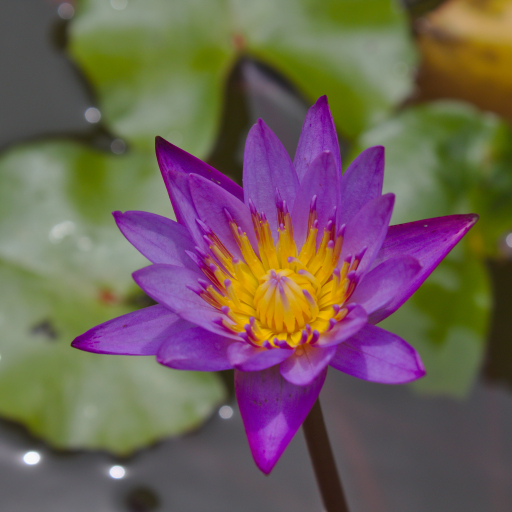
Often called the Cape Blue Water Lily, this stunning aquatic perennial is a true jewel of the African wetlands. Known for its electric-blue petals and intoxicating fragrance, it has been a symbol of purity and rebirth for centuries. Whether floating in a suburban pond or a wild marsh, it creates a royal atmosphere, transforming the water's surface into a living canvas of vibrant color.
🔍 How to Identify
- 🪷 The Bloom: Star-shaped flowers with pointed, sky-blue to deep violet petals that surround a bright, golden-yellow center.
- 🍃 The Floating Pads: Large, circular green leaves (lily pads) with wavy, slightly jagged edges and a distinct "V" notch where the stem connects.
- 👃 The Scent: A powerful, sweet perfume that is strongest in the heat of the midday sun, designed to attract local pollinators.
🏡 In Your Garden
- ☀️ Sun Worshipper: This lily is a "heavy feeder" of light; it requires at least six to eight hours of direct sunlight to produce its famous blue blooms. In shade, it will produce plenty of leaves but no flowers.
- 💧 Depth & Space: It prefers to be submerged in quiet, still water. While it is hardy, it hates "wet feet" in moving water—keep it away from splashing fountains or heavy filters to prevent the leaves from drowning.
- 🪴 Dormancy Logic: This plant grows from a tuber. If your pond is prone to freezing, the tuber can be removed and stored in damp sand in a cool basement until the spring thaw.
⚠️ Safety & Toxicity
- 🟢 Safe for Pets: Nymphaea capensis is generally considered non-toxic to cats, dogs, and horses. It is a popular choice for "wildlife ponds" because it provides cover for fish and frogs without being a poison risk.
- 👶 Child Safety: While not poisonous, the stems and tubers can be a choking hazard. Additionally, always supervise children around any open water source where these lilies grow.
✨ Fun Fact
Unlike many other species of water lilies that sit flat on the surface, the Cape Blue Water Lily is an "emergent" bloomer—it actually holds its flowers several inches above the water line on thick, sturdy stalks, making them look like they are floating in mid-air!

Detailed Care Instructions
Growing Nymphaea capensis, commonly known as Cape Blue Water Lily, can be a rewarding experience if you provide the appropriate conditions. Here’s a step-by-step guide to help you grow this beautiful aquatic plant:
Materials Needed:
- Nymphaea capensis seeds or tubers
- Water container or pond
- Aquatic soil or a mixture of clay and sand
- Fertilizer (aquatic plant fertilizer)
- Small pots or planting baskets
- Water
Steps to Grow Nymphaea Capensis:
1. Select a Suitable Container or Pond
- Choose a container that is at least 12-18 inches deep for best results. If you have a garden pond, ensure it has still or slow-moving water and sufficient exposure to sunlight (at least 6 hours a day).
2. Prepare the Planting Medium
- Use aquatic soil or mix clay and sand (in equal proportions). Do not use regular garden soil as it may cloud the water and contain unsuitable nutrients.
3. Planting Seeds or Tubers
- Seeds:
- Soaking: Soak the seeds in warm water for 24 hours before planting them.
- Planting: Fill small pots or planting baskets with the prepared soil mixture and lightly press the seeds into the soil surface. Cover them lightly with a thin layer of soil or gravel.
- Soaking: Soak the seeds in warm water for 24 hours before planting them.
- Tubers:
- Placement: If using tubers, plant them with the growing points facing upward. Bury the tubers about 1-2 inches into the soil.
4. Submerge the Pots
- Placement: If using tubers, plant them with the growing points facing upward. Bury the tubers about 1-2 inches into the soil.
- Seeds:
- Submerge the pots or planting baskets in the pond or container. If you’re using a deep water container, you can place the pots on bricks or an inverted pot to adjust the planting depth.
- The water level should be about 4-6 inches above the pots initially. As the plants grow, you can gradually lower them to their final depth (12-18 inches).
5. Provide Adequate Sunlight
- Ensure the plants receive at least 6 hours of direct sunlight per day. This is essential for healthy growth and blooming.
6. Fertilize Periodically
- Use aquatic plant fertilizer as per the manufacturer's instructions. Usually, fertilizing once a month during the growing season (spring to early autumn) is sufficient.
7. Maintain Water Quality
- Regularly check the water quality. Remove any debris, dead leaves, or algae. Ensure the water remains clean and clear to minimize the risk of diseases.
8. Monitor Growth
- As the Nymphaea capensis grows, you’ll notice the leaves spreading out on the water surface and eventually the emergence of beautiful blue or purple flowers.
9. Winter Care (if applicable)
- If you live in a region with cold winters, consider moving the plants indoors or to a greenhouse to protect them from freezing. Alternatively, you can let the plant’s tubers go dormant and store them in a cool, dark place in moist sand until spring.
Troubleshooting Common Problems:
- Yellowing Leaves: May indicate a nutrient deficiency. Check for proper fertilization.
- Poor Flowering: Ensure enough sunlight and check for overcrowding.
- Pests: Watch for aphids or snails and remove them manually or treat with suitable, safe measures.
By following these steps and maintaining optimal conditions, your Nymphaea capensis should thrive and reward you with its stunning blooms. Good luck!
Nymphaea capensis, an aquatic perennial, thrives in nutrient-rich freshwater environments and requires specific watering techniques to ensure its optimal health:
- Plant Submersion: Submerge the plant in a pond, container, or water garden with a depth of approximately 12-24 inches. This will allow the leaves to float on the surface while the roots are anchored in sediment below.
- Water Quality: Ensure the water is clean and well-aerated. Avoid stagnant water to prevent root rot and promote healthy growth. Regularly check for pollutants or debris.
- Consistent Water Level: Maintain a consistent water level. Sudden changes in water depth can stress the plant and hinder performance. If using a container, ensure it has enough capacity to keep the water level stable.
- Nutrient Supply: Water should be nutrient-rich. If natural nutrients are insufficient, consider adding aquatic plant fertilizer tablets, inserting them into the sediment near the plant’s roots. This provides essential nutrients without contaminating the entire water body.
- Temperature Regulation: Keep the water temperature within the plant’s tolerant range, ideally between 70-80°F (21-27°C). Extremes in temperature can negatively affect growth and blooming.
- Sunlight Exposure: Place the plant in a location that receives full sunlight for at least 6 hours a day. Sunlight helps photosynthesis and promotes vibrant blooms.
- Regular Maintenance: Periodically remove dead leaves or debris from the water to prevent decay, which can degrade water quality. Regularly refreshing the water can also help maintain ideal conditions, especially in a closed container or smaller water garden.
By following these guidelines, you can ensure that your Nymphaea capensis receives the proper hydration and care needed for healthy growth and beautiful blooms.
Nymphaea capensis is a beautiful aquatic plant that can thrive with the right care, including proper fertilization. Here are the fertilizing instructions:
- Type of Fertilizer: Use aquatic plant-specific fertilizer tablets or spikes, as they are designed to release nutrients slowly and are safe for water environments.
- Frequency: Fertilize during the growing season, which is typically from late spring to early fall. Apply fertilizer every 4-6 weeks.
- Application Method:
- Push the fertilizer tablets or spikes into the soil at the base of the plant. Make sure they are fully buried to avoid clouding the water.
- Avoid placing the fertilizer too close to the rhizome to prevent potential root burn. Insert it a few inches away from the plant's base.
- Push the fertilizer tablets or spikes into the soil at the base of the plant. Make sure they are fully buried to avoid clouding the water.
- Amount: Follow the dosage instructions on the fertilizer package. Generally, one tablet or spike per gallon of soil is a common guideline.
- Water Quality: Maintain clean water conditions as excessive nutrients in the water can encourage algae growth. Ensure a good filtration system is in place to keep the water clear and healthy.
- Monitoring: Observe your plant for any signs of nutrient deficiency or excess. Yellowing leaves can indicate a lack of nutrients, while too much fertilizer can lead to algal blooms.
By following these instructions, you can help maintain healthy growth and vibrant blooms for your Nymphaea capensis.
Nymphaea capensis, a type of water lily, thrives in specialized soil conditions that mimic its natural aquatic environment. The ideal medium for potting this aquatic plant includes a heavy, loamy soil that can hold nutrients well but does not readily float away or become too soggy. Follow these guidelines for the best results:
- Texture: Use heavy, loamy soil. This kind of soil resists floating in water, ensuring the plant stays anchored. Avoid using light, fluffy soils such as potting mixes or standard garden soil.
- Composition: A mixture typically includes:
- Clay Soil: Provides weight and structure that helps the soil remain submerged.
- Topsoil: Rich in organic matter, it supplies nutrients essential for growth.
- Sand: A small amount of coarse sand can help improve drainage slightly without making the soil too light.
- Clay Soil: Provides weight and structure that helps the soil remain submerged.
- Additives: Avoid organic additives such as peat or compost in high amounts, as they can decompose in water and cause nutrient imbalances. However, a small quantity of well-aged compost can be incorporated to provide nutrients.
- Fertilization: Use aquatic plant fertilizers in tablet form, which can be inserted into the soil near the roots. These fertilizers are formulated to release nutrients slowly and diminish the risk of algal blooms.
- Preparation: Wash the soil thoroughly to remove any excess nutrients that might cloud the water or promote algae growth. This is especially important if the soil has a high nutrient content or if it contains organic matter prone to decay.
- Containment: Plant the Nymphaea capensis in containers or baskets designed for aquatic plants. This prevents the soil from dispersing into the water and allows easy management and movement of the plant.
These soil characteristics ensure that Nymphaea capensis has a stable environment to anchor its roots and access necessary nutrients while reducing the risk of water contamination and algal overgrowth.
Nymphaea Capensis is an aquatic plant that can be propagated through both seeds and rhizome division. Here's a detailed guide to propagating this plant:
Propagating through Seeds:
- Seed Collection:
- Collect mature seeds from the plant. The seeds are typically found in capsules that form after the flowers have been pollinated and have matured.
- Collect mature seeds from the plant. The seeds are typically found in capsules that form after the flowers have been pollinated and have matured.
- Preparation:
- Rinse the seeds to remove any surrounding plant material or debris.
- Place the seeds in water, preferably in a container with dechlorinated or rainwater.
- Rinse the seeds to remove any surrounding plant material or debris.
- Germination:
- Ensure the water temperature is warm, ideally between 22-28°C (72-82°F), as this encourages germination.
- Provide ample light but avoid direct sunlight to prevent overheating the water.
- Ensure the water temperature is warm, ideally between 22-28°C (72-82°F), as this encourages germination.
- Transplanting:
- Once the seedlings develop their first true leaves, they can be carefully transplanted.
- Plant the seedlings in small pots filled with a rich, loamy soil substrate. Submerge the pots in shallow water, gradually increasing the water depth as the plants grow.
Propagating through Rhizome Division:
- Once the seedlings develop their first true leaves, they can be carefully transplanted.
- Preparation:
- Carefully lift the plant from the water. This is best done in early spring or late fall when the plant is not actively growing.
- Carefully lift the plant from the water. This is best done in early spring or late fall when the plant is not actively growing.
- Rhizome Separation:
- Identify healthy sections of the rhizome, making sure each section has at least one growing point or "eye."
- Use a sharp, sterilized knife to cut the rhizome into sections.
- Identify healthy sections of the rhizome, making sure each section has at least one growing point or "eye."
- Planting:
- Each rhizome section should be planted in a container filled with a nutrient-rich aquatic soil mix.
- Submerge the planted containers in water, ensuring the growing points are facing upwards.
- Each rhizome section should be planted in a container filled with a nutrient-rich aquatic soil mix.
- Aftercare:
- Place the containers in a sunny location with at least 4-6 hours of direct sunlight per day.
- Maintain a stable water temperature to promote healthy growth.
General Tips:
- Place the containers in a sunny location with at least 4-6 hours of direct sunlight per day.
- Water Quality: Ensure the water is free from chemicals such as chlorine or heavy metals by using dechlorinated or natural rainwater.
- Fertilization: Use an aquatic plant fertilizer to provide necessary nutrients, particularly if planted in nutrient-poor conditions.
- Pest Control: Keep an eye out for pests like aphids or snails, which can harm the plant. Use appropriate methods to control these pests.
By following these steps, you can successfully propagate Nymphaea Capensis, ensuring a healthy and thriving aquatic plant collection.








