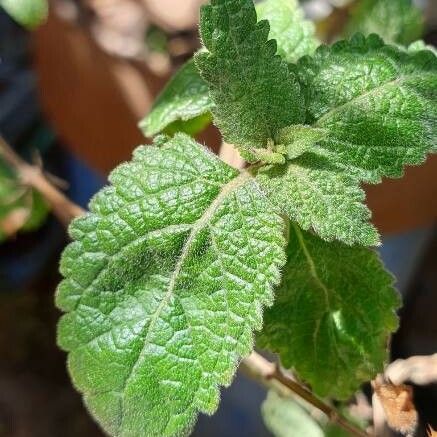
Plant Overview
Known in Ethiopia as Damakasse, Ocimum lamiifolium is a towering, woody relative of the common kitchen basil. Native to the highlands of East Africa, this plant is much more than a culinary herb; it is revered as a "living pharmacy" by local communities. With its intense, camphor-like aroma and soft, mint-like leaves, it has spent centuries acting as a natural remedy and a fragrant guardian of African gardens.
🔍 How to Identify
- 🍃 The Foliage: The leaves are broad, oval, and covered in fine, velvety hairs. They feature deeply serrated (toothed) edges and prominent veins, making them look strikingly similar to Mint or Dead-nettle leaves.
- 🟣 The Flowers: It produces elegant, elongated flower spikes (racemes) topped with tiny, tubular blossoms that range from pale white to a soft lavender-purple.
- 🪵 The Structure: Unlike the petite basil found in grocery stores, this species is a perennial shrub that can grow quite leggy and woody at the base, often reaching heights of 2 to 3 feet.
🏡 In Your Garden
- ☀️ Sun & Air: Coming from high-altitude regions, Damakasse loves bright sunlight but appreciates good air circulation. It is more resilient to temperature fluctuations than Sweet Basil, though it still shivers in a true frost.
- 🌱 Soil & Drainage: This plant is a "survivor" that thrives in well-draining soil. It hates "wet feet," so ensure your pot has plenty of drainage holes. If the roots sit in water, the plant will quickly drop its leaves in protest.
- ✂️ Pruning Habits: Because it grows like a small shrub, regular pinching of the tips is essential. This prevents the plant from becoming too "top-heavy" and encourages a bushier, more leaf-heavy shape.
⚠️ Safety & Toxicity
- ✅ Status: Generally non-toxic and widely used in traditional African teas and steam treatments.
- 🐾 Pets & Kids: While not considered poisonous, the high concentration of essential oils in the leaves can cause mild stomach upset in cats or dogs if consumed in large quantities. As with all aromatic herbs, it is best to keep it out of reach of curious nibblers.
✨ Fun Fact
In Ethiopia, Ocimum lamiifolium is the go-to "headache helper." It is common practice to pick a few fresh leaves, crush them between the palms to release the pungent oils, and inhale the scent deeply to clear the sinuses and soothe tension—earning it the nickname of a "natural smelling salt."

Detailed Care Instructions
Ocimum lamiifolium should be watered regularly, especially during the growing season. It prefers moist but well-draining soil, so take care not to overwater it. When watering, try to avoid getting water on the leaves as this can cause fungal diseases. Use room temperature water, and water deeply until the water drains out of the bottom of the pot. Let the soil dry out slightly between watering, but don't allow it to completely dry out. During the winter months, reduce watering to prevent the roots from becoming waterlogged.
The ideal soil for the Ocimum Lamiifolium plant should be well-draining and moist to ensure proper growth and development. It should also contain a good amount of organic matter and nutrients to support the plant's nutritional needs. A soil with a pH level between 6.0-7.5 is preferred for this plant. It is recommended to mix the soil with sand or perlite to improve drainage and aeration. Additionally, it is important to avoid using heavy or clay soils as they can cause waterlogging and root rot. A light and well-aerated soil will promote healthy root growth and help this plant thrive.








