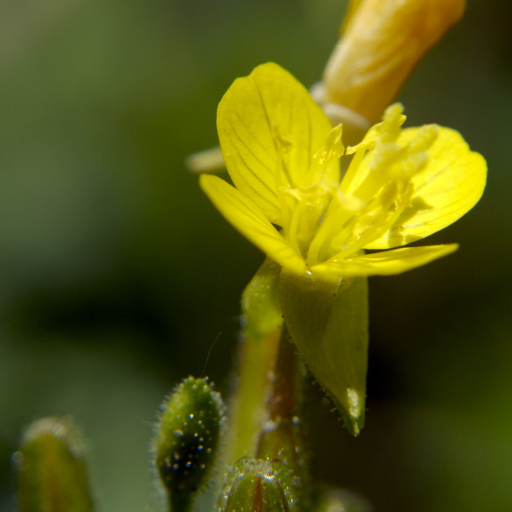
Plant Overview
Known affectionately as the "Little Evening Primrose" or "Small Sundrops," this charming North American native is a bit of a rebel in its family. While most evening primroses wait for the moon to rise before opening their petals, these bright yellow blossoms are "day-bloomers," soaking up the sunshine alongside the bees. They are the perfect addition for gardeners looking to add a touch of wild, meadow-like beauty to a sunny border.
🔍 How to Identify
- ☀️ The Bloom: Clusters of small, canary-yellow flowers with four heart-shaped petals and a prominent cross-shaped stigma at the center.
- 🌿 The Foliage: Narrow, lance-shaped leaves that start as a low rosette in the spring before sending up flowering stalks.
- Stem The Stature: Slender, reddish stems that typically reach only 1 to 2 feet in height, giving them a much more delicate appearance than their larger cousins.
🏡 In Your Garden
- 🦋 Pollinator Magnet: These flowers are high-value targets for native bees and hummingbirds, who appreciate the easy access to nectar during the daylight hours.
- 🌱 Low Maintenance: They thrive in "lean" soil—if your garden soil is too rich or heavily fertilized, the plant may become leggy and flop over. They prefer well-drained spots where they won't get "wet feet."
- 🌾 Naturalizing: They are excellent for rock gardens or wildflower meadows as they will gently self-seed, creating a beautiful golden drift over several seasons without becoming invasive.
⚠️ Safety & Toxicity
- ✅ Status: Generally non-toxic.
- 🐾 Details: Oenothera perennis is considered safe for households with pets. It is not listed as toxic to cats, dogs, or horses by major veterinary associations. However, as with any ornamental plant, it is best to discourage pets or small children from ingesting large amounts to avoid mild stomach upset.
✨ Fun Fact
Unlike many plants that wilt in the heat, the "Sundrop" actually thrives in it; the name Oenothera is derived from Greek words meaning "wine-seeker," based on an ancient (and likely tall) tale that the roots of these plants could increase one's appetite for wine!

Detailed Care Instructions
To grow Oenothera perennis, also known as the evening primrose or common evening primrose, follow these steps:
- Choose a location: Select a well-draining area with full to partial sunlight. The plant can grow in a wide range of soil types but prefers loamy or sandy soil.
- Prepare the soil: Remove any weeds or debris from the planting area. Dig the soil to a depth of around 8 to 10 inches and loosen it well. Add organic matter like compost or well-rotted manure to enrich the soil.
- Sow the seeds: Evening primrose plants are typically grown from seeds. Sow the seeds directly into the soil in early spring or late fall, as they require a period of cold stratification to germinate. Scatter the seeds evenly over the prepared soil or plant them 1/4 inch deep and cover lightly with soil. Space the seeds or seedlings about 12 to 18 inches apart.
- Watering: Keep the soil consistently moist but not waterlogged, especially during the germination period. Once the plants are established, they are relatively drought-tolerant and do not require frequent watering.
- Maintenance: Remove any weeds that compete with the plants for nutrients and water. Additionally, evening primrose plants can spread vigorously, so thin out overcrowded seedlings to maintain proper spacing. Deadhead faded or wilted flowers to encourage more blooming.
- Mulching: Apply a layer of organic mulch around the plants, such as bark chips or straw, to help retain moisture, suppress weed growth, and regulate soil temperature.
- Fertilizing: Evening primroses generally do not require much fertilization. However, you can apply a balanced fertilizer once or twice during the growing season if your soil is lacking in nutrients.
- Pruning: Evening primrose plants do not require extensive pruning. However, you can remove any dead or damaged foliage or stems to maintain a neat appearance.
- Pests and diseases: Evening primroses are relatively pest and disease-resistant. However, keep an eye out for common garden pests like aphids or slugs. Treat any pest issues with organic pest control methods or insecticidal soap, if necessary.
By following these steps, you should be able to grow Oenothera perennis successfully and enjoy its beautiful blooms.

Place in a bright room that is sun drenched almost all day. Or directly in a south-facing window.

The best method for watering this plant is to make sure that the soil around the roots is consistently moist, but not waterlogged. During periods of drought or high temperatures, the plant may require more frequent watering. It is important to water deeply to encourage the roots to grow deeper into the soil. Avoid overwatering, as this can lead to root rot and other issues. It may be helpful to mulch around the base of the plant to help retain moisture in the soil.
To fertilize this plant, apply a balanced, slow-release fertilizer in the spring before new growth begins. Use a fertilizer with equal amounts of nitrogen, phosphorus, and potassium, such as a 10-10-10 blend. Apply the fertilizer according to the package instructions, being careful not to exceed the recommended amount. Water the plant thoroughly after fertilizing to help distribute the nutrients evenly. Avoid fertilizing after mid-summer as it may encourage unnecessary growth and reduce the plant's hardiness going into winter.
When planting the Oenothera Perennis plant, it is recommended to use well-draining soil that is rich in organic matter. This type of soil helps to retain moisture while preventing root rot in the plant. A neutral or slightly acidic soil pH level is best for this type of plant. It is also important to ensure that the soil has good aeration to allow for proper root growth. Mixing in compost or other organic matter can help to improve the soil quality and provide nutrients for the plant. Before planting, make sure to loosen the soil and remove any weeds or debris.
To propagate this plant, you can start by collecting its seeds after it has finished flowering and the seed pods have opened. It is important to collect them before they fall to the ground, as they will not be viable after that point.
Once you have collected the seeds, you can sow them directly into a pot or garden bed filled with well-draining soil. Water them thoroughly and keep the soil moist until the seedlings emerge.
Alternatively, you can also propagate this plant through root division. To do this, carefully dig up the plant and gently separate the roots into smaller clumps. Replant the small clumps in a new pot or garden bed and water them thoroughly.
Make sure to keep the newly propagated plants well-watered and protected from harsh sunlight until they have established themselves. With proper care, they will grow into beautiful, mature plants.








