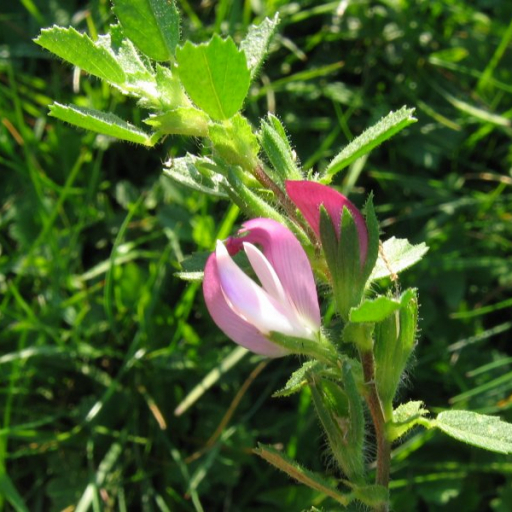
Plant Overview
The Common Rest-harrow (Ononis repens) is a hardy, creeping wildflower that has long been a legendary foe to traditional farmers. Known for its tough, woody roots that were said to "arrest" or stop horse-drawn harrows in their tracks, this plant is a resilient survivor of the European countryside. With its charming pink blooms and sprawling habit, it’s a beautiful addition to coastal gardens and wild meadows.
🔍 How to Identify
- 🌸 The Flowers: Look for classic "pea-like" blossoms that are usually a vibrant pink or rose color, sometimes featuring delicate white wings or darker veins.
- 🍃 The Foliage: The leaves are small, oval, and grow in groups of three. They are often covered in fine, glandular hairs that can make the plant feel slightly sticky to the touch.
- 🌱 Growth Habit: Unlike its upright cousins, Ononis repens is a prostrate plant, meaning it hugs the ground and spreads outward, forming dense mats of greenery.
🏡 In Your Garden
- 🚜 Stubborn Roots: If you plan to grow Rest-harrow, choose your spot wisely! It develops a deep, woody taproot very quickly, which makes it incredibly drought-tolerant but nearly impossible to transplant once established.
- 🏜️ Soil Specialist: This plant thrives in "difficult" spots. It loves well-draining, sandy, or chalky soils and is a champion at fixing nitrogen, which actually helps improve the health of the soil around it over time.
⚠️ Safety & Toxicity
- ✅ Status: Non-toxic and generally safe.
- 🐾 Pets & Kids: There are no known toxicity reports for cats, dogs, or humans. In fact, it was historically used in herbal teas, though you should always consult a professional before consuming wild plants.
- 🧤 Texture Warning: The sticky hairs on the stems can occasionally trap dust or small debris, which might cause very mild skin irritation for those with highly sensitive skin.
✨ Fun Fact
The roots of the Common Rest-harrow have a surprising secret: when chewed or crushed, they have a flavor remarkably similar to licorice. Because of this, children in rural areas used to dig up the roots to use as "wild sweets" in centuries past!

Detailed Care Instructions








