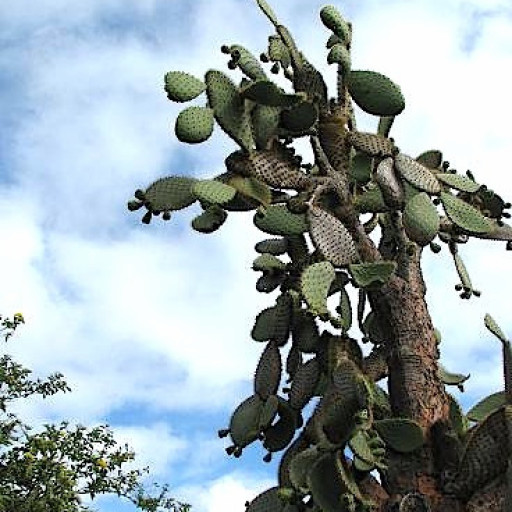
Plant Overview
Often called the Prickly Pear or simply Tuna, this iconic cactus is a true survivor of the arid Caribbean and Mexican landscapes. It is famous for its vibrant, egg-shaped fruits—known as tunas—which have been a staple food source for centuries. Whether it's perched on a rocky cliffside or sitting in a terracotta pot, its architectural, paddle-like shape makes it an instant conversation starter.
🔍 How to Identify
- 🌵 The Pads: Features thick, fleshy, oval-shaped segments called cladodes that act as water reservoirs. They are typically a dusty lime green.
- 🌼 The Blooms: Produces showy, cup-shaped flowers that are usually a brilliant yellow, sometimes fading into a warm apricot or orange as they age.
- 🔴 The Fruit: The "Tuna" fruit is oval, reddish-purple when ripe, and covered in tiny bumps that house nearly invisible prickles.
🏡 In Your Garden
- ☀️ Desert Logic: This plant thrives on neglect but demands sunshine. It has a shallow root system designed to catch quick rainfall, so it hates sitting in heavy, soggy soil which can cause the base to turn to mush.
- ✂️ Propagation Magic: One of the easiest plants to multiply; simply snap off a mature pad (carefully!), let the "wound" dry for a few days, and tuck it into sandy soil. It will sprout roots and start a new colony with surprising speed.
⚠️ Safety & Toxicity
- 🌵 The Hidden Danger: While the large spines are intimidating, the real threat is the glochids—tiny, hair-like barbed bristles. They are difficult to see and even harder to remove from skin or clothing.
- 🐾 Pets & Kids: The plant is technically non-toxic to dogs, cats, and humans, but the glochids can cause severe mechanical irritation to mouths, paws, and eyes. Always plant it away from high-traffic walkways.
✨ Fun Fact
The Opuntia is so culturally significant that it sits at the heart of the Mexican national emblem. Legend says the Aztecs were told to build their capital, Tenochtitlan (modern-day Mexico City), where they saw an eagle perched on a prickly pear cactus devouring a snake.

Detailed Care Instructions
To grow Opuntia Tuna, also known as prickly pear cactus, you can follow these steps:
- Climate and Location: Opuntia Tuna thrives in warm and dry climates. Choose a location with full sun exposure for at least 6-8 hours a day. Make sure the soil is well-draining.
- Soil Preparation: Opuntia Tuna prefers slightly acidic to neutral soil with a pH range of 6.1 to 7.5. Prepare the soil by removing any weeds or debris. If your soil is heavy or compacted, consider adding organic matter or sand to improve drainage.
- Planting: If you have access to Opuntia Tuna pads or "paddles," they can be planted directly into the ground. Alternatively, you can purchase Opuntia Tuna plants from a nursery or garden center. Dig a hole slightly larger than the root ball and place the plant in the hole, making sure the top of the root ball is level with the soil surface.
- Watering: Initially, water the Opuntia Tuna plant deeply to help establish the root system. Once established, Opuntia Tuna is drought-tolerant and only requires supplemental watering during prolonged dry periods.
- Fertilization: Opuntia Tuna does not typically require regular fertilization. However, if you want to promote faster growth, you can apply a balanced fertilizer in the spring or early summer. Follow the instructions on the fertilizer packaging for the appropriate application rate.
- Pruning: Opuntia Tuna may require occasional pruning to remove dead or damaged pads. Use gloves and be cautious of the thorns when handling the plant.
- Propagation: Opuntia Tuna can be propagated through cuttings. Select a healthy pad from an established plant and allow it to callus for a few days. Plant the pad in well-draining soil, burying it up to 1/3 of its length. Water sparingly until roots form.
- Protection: Opuntia Tuna has spines and glochids (tiny barbed hairs) that can cause irritation. Handle the plant with care by wearing gloves and taking precautions to avoid contact with the spines.
By following these guidelines, you should be able to successfully grow Opuntia Tuna and enjoy its beautiful pads and vibrant flowers.

Place in a bright room that is sun drenched almost all day. Or directly in a south-facing window.

Opuntia Tuna is a type of cactus that requires specific watering techniques. As it is a desert plant, it is best to give it a thorough watering once a week during the growing season (spring and summer) and reduce watering to once every two to three weeks during the dormant season (fall and winter).
When watering, make sure to saturate the soil thoroughly. Allow the soil to dry out completely before the next watering to prevent overwatering and root rot. It's essential not to water the plant from above, and instead, water it directly at the roots so that the water can penetrate deep into the soil.
If you are growing this cactus indoors, make sure to place it near a sunny window, preferably south-facing, to get the necessary amount of light. Avoid putting the plant in direct sunlight for prolonged periods, as it may burn the plant's leaves.
Opuntia Tuna prefers to grow in well-draining soil. If you are growing it in a pot, use a cactus mix that drains quickly and provides excellent aeration to the roots. Finally, make sure to fertilize the plant only during the growing season. Use a balanced fertilizer and follow the instructions on the package carefully.
To fertilize this plant, you should apply a balanced fertilizer in the early spring before new growth begins. Make sure to follow the manufacturer's instructions for application rates and frequency. During the growing season, a monthly application of liquid fertilizer can also be beneficial. However, avoid over-fertilizing as this can lead to excessive growth and weakened stems. As a rule of thumb, it is always better to err on the side of under-fertilizing than over-fertilizing.
Opuntia Tuna is a type of cactus that require a well-draining soil type. It is recommended to use soil that is composed of a combination of perlite, sand, and organic matter, such as coconut coir or peat moss. This type of soil allows for sufficient drainage and aeration, preventing the roots from becoming waterlogged. It is important to avoid using soil that is too heavy or dense, as this will impede water and nutrient uptake by the plant. Additionally, Opuntia Tuna prefers a slightly acidic to neutral pH range, so it is recommended to adjust the soil pH if necessary.
To propagate this cactus plant, start by selecting a mature and healthy stem that has no signs of damage or disease. Use a sharp and sterile knife to make a clean cut at least 4 inches below the tip of the stem. Allow the cutting to callus over for a few days before planting it in a well-draining soil mix. It is recommended to mix sand or perlite with the soil to improve drainage. The cutting should be planted in a deep enough hole so that it can stand upright without any support. Water the new plant sparingly and avoid overwatering, as this can lead to root rot. Place the newly planted cutting in a bright, sunny area, but protect it from direct sunlight until it has fully rooted. The new plant should start producing new growth within a few weeks, indicating successful propagation.
Common pests of the tuna include Scale insect, mealybugs, spider mites. Make a habit of checking your tuna frequently for pests so that any infestations can be caught and managed early.








