Plant Overview
Known famously as the "Dittany of Crete" or Erontas (meaning "Love") by locals, this mythical herb is endemic only to the rocky mountainsides of Crete, Greece. For centuries, young men called Erondades would risk their lives climbing steep cliff faces to harvest these velvety sprigs as tokens of affection for their lovers. It is a legendary plant of healing, famously mentioned by Aristotle and even appearing in modern lore like Harry Potter as a powerful restorative essence.
🔍 How to Identify
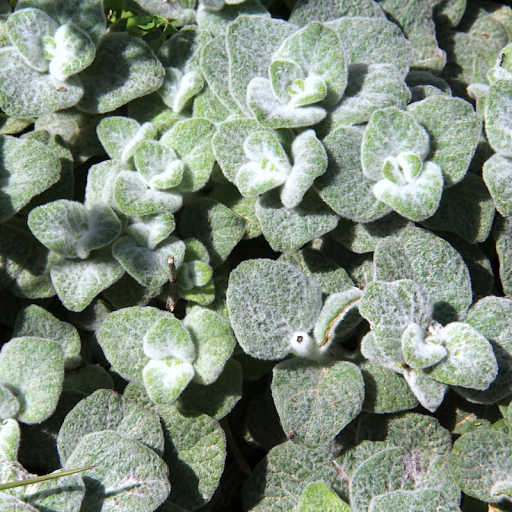
- ☁️ The Foliage: Small, round, heart-shaped leaves that are densely covered in a soft, white silvery "fleece." This woolly texture helps the plant trap moisture and reflect the harsh Mediterranean sun.
- 🌸 The Blooms: During summer, it produces striking, pendulous clusters of pink-to-purple flowers that emerge from overlapping bracts, giving them an appearance similar to tiny hops.
- 🌿 The Growth: It is a low-growing, spreading sub-shrub that rarely exceeds 10 inches in height, often cascading beautifully over the edges of pots or rock walls.
🏡 In Your Garden
- 🪨 The "Cliffside" Requirement: Because its natural home is a vertical rock face, this plant absolutely demands "sharp" drainage. If its roots sit in soggy soil for even a day, it may rot. Mix plenty of gravel or perlite into your potting medium.
- ☀️ Sun and Air: It thrives in full sun but appreciates good air circulation to keep its woolly leaves dry. If you live in a very humid climate, keep it in a breezy spot to prevent mildew from forming in its thick "fur."
⚠️ Safety & Toxicity
- ✅ Status: Generally non-toxic and safe for humans.
- 🍵 Details: It is a celebrated culinary and medicinal herb, often dried for a soothing "Mountain Tea." While it is not known to be toxic to cats or dogs, the high concentration of aromatic essential oils might cause mild stomach upset if a pet grazes on it excessively.
✨ Fun Fact
In the Aeneid, the goddess Aphrodite is said to have healed the hero Aeneas with a stalk of Dittany of Crete. Ancient Greeks believed that if a wild goat was struck by a poisoned arrow, it would seek out this plant to eat, which would magically cause the arrow to fall out and the wound to heal.

Detailed Care Instructions
| Lighting | Full Sun |
| Hardiness Zones | 7A - 11 |
To grow Origanum Dictamnus, also known as Dittany of Crete, follow these steps:
- Climate and soil: Dictamnus thrives in warm climates and prefers well-draining, sandy or loamy soil. Ensure that the soil pH is between 6.5 and 7.5.
- Seed collection and storage: Collect seeds from mature plants either by letting the flowers turn into seeds naturally or by carefully cutting off seed heads once they turn brown and dry. Store the seeds in a cool, dry place until you're ready to sow them.
- Sowing seeds: Start the seeds indoors about 6 to 8 weeks before the last frost in your area, or sow them directly outdoors after the danger of frost has passed. Surface sow the seeds on top of the soil without covering them because they require light to germinate. Mist the soil to keep it moist until germination occurs, which usually takes around 14 to 21 days.
- Transplanting: Once the seedlings have grown to a height of around 2 inches, transplant them into individual pots or a well-prepared garden bed with good drainage. Space the plants at least 12 inches apart to allow for airflow and growth.
- Watering and care: Dictamnus prefers moderate watering, so water the plant regularly but avoid overwatering, as excessive moisture may lead to root rot. Monitor the soil moisture levels and make sure the top inch of soil remains moist.
- Sunlight and temperature: Dictamnus thrives in full sun to partial shade. Ensure the plants receive at least 6 to 8 hours of sunlight daily. The preferred temperature range is between 60 to 80°F (15 to 26°C), but the plant can tolerate slight variations.
- Fertilization: Apply a balanced, slow-release fertilizer during the spring season to provide necessary nutrients for healthy growth. Follow the dosage instructions on the package.
- Pruning: To encourage bushiness, pinch or trim the tips of the plant regularly. You can also prune the plant after flowering to maintain its shape and promote better blooming the following year.
- Harvesting: Dictamnus flowers from late spring to summer. Harvest the leaves and flowers when they are fully grown and gently dry them in a well-ventilated area. Store the dried leaves and flowers in an airtight container for later use in herbal or culinary applications.
By following these guidelines, you should be able to successfully grow Origanum Dictamnus plants.

Place in a window with dappled sun or a spot in the middle of a room. Or directly in a window facing west or east.

To water this plant, you should first check the top layer of soil to ensure it is dry before watering. Once you determine the soil is dry, slowly pour water around the plant's base, taking care to avoid watering the foliage. It is important to ensure the soil is well-draining so that excess moisture does not accumulate around the plant's roots. To avoid overwatering, it is recommended to allow the soil to dry out slightly between each watering. Additionally, it is important to note that this plant prefers to be grown in full sun and in a well-draining soil.
- Choose a balanced, slow-release fertilizer with equal amounts of nitrogen, phosphorus, and potassium.
- Apply the fertilizer in early spring, before new growth begins.
- Spread the fertilizer evenly around the base of the plant, taking care not to get it on the leaves.
- Water the plant thoroughly after fertilizing.
- Repeat fertilization once per year, in early spring.
When planting Origanum Dictamnus, it is important to use well-draining soil that is rich in organic matter. Ideally, the soil should have a pH level of 6.0 to 7.0 and be kept moist but not waterlogged. The use of a soil mix that contains perlite or pumice can improve drainage. Additionally, adding compost or aged manure can boost the soil's nutrient content, aiding in healthy growth. It is recommended to avoid heavy, clay soils as they can lead to root rot and other complications.
To propagate this plant, start by taking stem cuttings from the parent plant in the early summer months. The cuttings should be around 4 inches long and have some leaves and nodes present. Remove any lower leaves and dip the cut end of the stem into rooting hormone powder. Plant the stem cutting into a pot with well-draining soil, water it well, and cover it with a plastic bag to create a humid environment. Place it in a warm area with indirect light.
Keep the soil moist but not waterlogged and remove the plastic covering after about a week. The cuttings should root within several weeks and can then be transplanted into bigger pots or the garden. It is important to keep the newly rooted cuttings in a partially shaded area until they are well established.
Common pests of the dittany of crete include Spider mites, fungus gnats, aphids, thrips, whiteflies. Make a habit of checking your dittany of crete frequently for pests so that any infestations can be caught and managed early.








