Plant Overview
Commonly known as the Yellow Bird’s-foot, this charming little legume gets its name from its distinctive seed pods that fan out like the talons of a bird. Native to the Mediterranean but now found across various sandy regions globally, it is often seen hugging the ground in meadows, coastal dunes, and pastures. It is a humble "pioneer" plant that improves the soil by fixing nitrogen, making it a hidden hero for poor-quality ground.
🔍 How to Identify
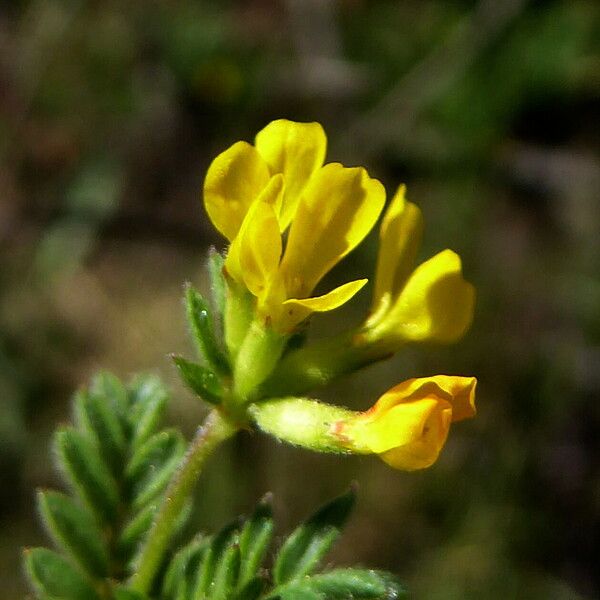
- 🌼 The Blooms: Small, bright yellow pea-like flowers, typically appearing in clusters of two to five on slender stalks.
- 🦶 The "Bird's Foot": After flowering, it develops curved, flattened seed pods that radiate from a single point, mimicking the shape of a bird’s claw.
- 🌿 Velvety Foliage: Soft, grey-green leaves composed of many small, oval leaflets arranged in pairs, often covered in fine, silky hairs.
🏡 In Your Garden
- 🌱 Soil Specialist: This plant is a master of sandy, acidic soils where other plants might struggle; it uses a deep taproot to find moisture in dry, nutrient-poor conditions.
- 🐝 Pollinator Magnet: While small, its nectar-rich flowers are a vital early-season food source for specialized bees and small butterflies.
- 🚜 Natural Fertilizer: Because it is a legume, it works with soil bacteria to "fix" nitrogen from the air into the ground, naturally enriching the soil for neighboring plants.
⚠️ Safety & Toxicity
- ✅ Status: Generally considered non-toxic to humans and pets.
- 🐾 Livestock Use: It is frequently used as a high-protein forage crop for sheep and cattle, meaning it is safe for most animals to be around.
- 👶 General Caution: While safe, the small seed pods can be a minor choking hazard for very young children if they attempt to "snack" on the garden wildlife.
✨ Fun Fact
The genus name Ornithopus is a direct translation from the Greek words ornithos (bird) and pous (foot), a naming tradition that has stuck for centuries because the seed pod resemblance is so uncanny!

Detailed Care Instructions
To grow Ornithopus compressus, also known as Compressed Birdsfoot Trefoil, you can follow these steps:
- Choose a suitable location: Compressed Birdsfoot Trefoil thrives in full sun or partial shade. It prefers well-draining soil and can tolerate a range of soil types, including sandy, loamy, or clay soils.
- Prepare the soil: Clear the area of weeds or grasses and loosen the soil using a garden fork or tiller. Add organic matter like compost or well-rotted manure to enhance soil fertility and drainage.
- Sow seeds: During the spring or fall when the soil temperatures are warm, scatter the seeds over the prepared soil. The seeds are typically small and can be mixed with fine sand to spread them evenly. Lightly rake the soil to ensure good seed-to-soil contact.
- Watering: Keep the soil consistently moist after sowing the seeds until they germinate. Watering lightly two to three times a week should be sufficient. Once established, the plant is drought-tolerant and requires less water.
- Fertilization: Compressed Birdsfoot Trefoil is a legume that fixes nitrogen in the soil. Therefore, it generally does not require additional fertilization. However, if the soil is poor, you can apply a balanced, slow-release fertilizer following the manufacturer's instructions.
- Weed control: Regularly inspect the planting area for weeds and remove them promptly to avoid competition for nutrients and water.
- Maintenance: Compressed Birdsfoot Trefoil is a perennial plant that can benefit from an annual mowing in fall or early spring, helping control weeds and encourage more vigorous growth. Avoid mowing too short, as it may stress the plant.
- Harvesting and propagation: Compressed Birdsfoot Trefoil can be harvested for forage or seed. Allow the plants to flower and set seed before collecting seeds for propagation in the following season.
With proper care and maintenance, Ornithopus compressus should establish itself and provide a colorful display of flowers.

Place in a bright room that is sun drenched almost all day. Or directly in a south-facing window.

When it comes to watering this particular plant, it's important to keep a few things in mind. Firstly, it's important to not overwater the plant, as this can lead to root rot and other issues. You'll want to ensure that the soil is moist, but not waterlogged.
To achieve this, it's a good idea to water the plant deeply, but infrequently. This means that you should soak the soil thoroughly each time you water, but then wait until the top few inches of soil are dry before watering again.
When you water the plant, be sure to do so at the base of the plant, rather than from above. This will help avoid getting water on the leaves, which can promote the growth of fungus and other problems.
Finally, be sure to monitor the plant carefully and adjust your watering schedule as needed. If you notice that the plant is looking wilted or the leaves are turning yellow, it may be a sign that it needs more water. On the other hand, if the soil is consistently soggy or the leaves are turning brown and crispy, it may be a sign that you need to cut back on watering.
When fertilizing this plant, it is recommended to use a balanced fertilizer with equal amounts of nitrogen, phosphorus, and potassium. Fertilize once a month during the growing season, which is typically from spring through summer. Be sure to follow the instructions on the fertilizer packaging for proper application rates. Water the plant thoroughly after fertilizing to ensure the nutrients are properly absorbed into the soil. Avoid fertilizing during periods of drought or extreme heat, as this can stress the plant.
Ornithopus compressus, a species in the Fabaceae family, thrives best in well-draining, sandy or loamy soils. It prefers soils with a slightly acidic to neutral pH, typically in the range of 6.0 to 7.5. Good soil structure is essential to prevent waterlogging, which can damage the plant's roots. While it can tolerate poorer, nutrient-depleted soils, incorporating organic matter or compost can enhance soil fertility and support healthier growth. Additionally, because Ornithopus compressus is a nitrogen-fixing legume, it can contribute to soil health by improving nitrogen content, benefiting both the plant itself and any future crops grown in the same soil.
To propagate this plant, you will need to collect the seeds from the mature plant. These seeds can be sown directly into the soil or started indoors in pots. The plant prefers well-drained soil and plenty of sunshine, so make sure that the location you choose has these qualities. Water the seeds regularly until they have germinated, then keep the soil damp but not waterlogged. Once the seedlings have grown a few inches tall, you can transplant them to their permanent location. The plant can also be propagated by taking stem cuttings in the spring or summer and rooting them in the soil.








