Plant Overview
Known as the "Bean Broomrape," this plant is a botanical master of deception. Lacking the green pigment chlorophyll, it cannot harness energy from the sun like most plants. Instead, it lives as a subterranean thief, secretly tapping into the roots of neighboring legumes to steal the nutrients it needs to survive and bloom.
🔍 How to Identify
- 👻 Ghostly Appearance: Because it doesn't photosynthesize, the plant has no green parts; the stems are fleshy and range from pale cream to a toasted brownish-yellow.
- 🌸 Scalloped Flowers: It features upright spikes of fragrant, trumpet-shaped flowers that are typically white or pale lilac with delicate purple veins and ruffled ("crenate") edges.
- 🍂 Scaly Stems: Rather than traditional leaves, you will find small, dry, lance-shaped scales clinging to the thick, unbranched stalk.
🏡 In Your Garden
- 🧛 The Root Thief: This is an obligate parasite. It uses a specialized root-like organ called a haustorium to physically weld itself to the roots of host plants like faba beans, peas, carrots, or lentils.
- 🚜 A Growing Challenge: If you find this in your vegetable patch, it’s a sign that your legumes are under attack. It is incredibly difficult to remove because the "vampire" is deeply connected to its host underground, often weakening the host plant before the Broomrape even breaks the surface.
⚠️ Safety & Toxicity
- ✅ Generally Safe: Orobanche crenata is not known to be toxic to humans, pets, or livestock if touched or accidentally brushed against.
- 🌱 Plant Health Risk: While safe for you, it is a "death sentence" for your garden vegetables. It is considered a major agricultural pest because it can drain so much energy from a host plant that the host fails to produce any beans or seeds.
✨ Fun Fact
A single Bean Broomrape plant can produce over 500,000 microscopic, dust-like seeds. These seeds are incredibly patient; they can lie dormant in the soil for over 20 years, only waking up when they "smell" the specific chemical signals released by the roots of a nearby bean plant.

Detailed Care Instructions
To grow Orobanche crenata (commonly known as broomrape), follow these steps:
- Obtain seeds: Orobanche crenata seeds can be purchased from specialty seed suppliers or botanical gardens. Make sure you obtain quality seeds for better germination rates.
- Soil preparation: Orobanche crenata is a root parasite that requires a specific host plant to grow. Cultivate and prepare the soil by removing any weeds, rocks, or debris. Choose a hosting plant such as faba beans, which is commonly used to manage the growth of broomrape.
- Planting: Plant the Orobanche crenata seeds alongside the chosen hosting plant, spacing them according to the recommended distance for the host plant. Make sure the seeds are not planted too deep, as they require exposure to sunlight for germination.
- Watering: Regularly water the soil to keep it moist, but avoid over-watering. Orobanche crenata prefers slightly moist soil, similar to its host plant's requirements.
- Maintenance: Monitor the growth of the host plant to ensure it remains healthy and provides proper nutrition to the broomrape. Remove any competing weeds or other plants that may hinder the growth of Orobanche crenata.
- Harvest: Once Orobanche crenata blooms, which typically occurs in late spring or early summer, you can collect the seeds for future cultivation. Allow the flowering plant to mature and dry out, then harvest the seeds by gently rubbing the dried flowers over a container.
Note: Growing Orobanche crenata may require specialized knowledge and specific conditions. It is advisable to consult local gardening experts or agricultural specialists who can provide guidance tailored to your specific region and conditions.

Place in a bright room that is sun drenched almost all day. Or directly in a south-facing window.
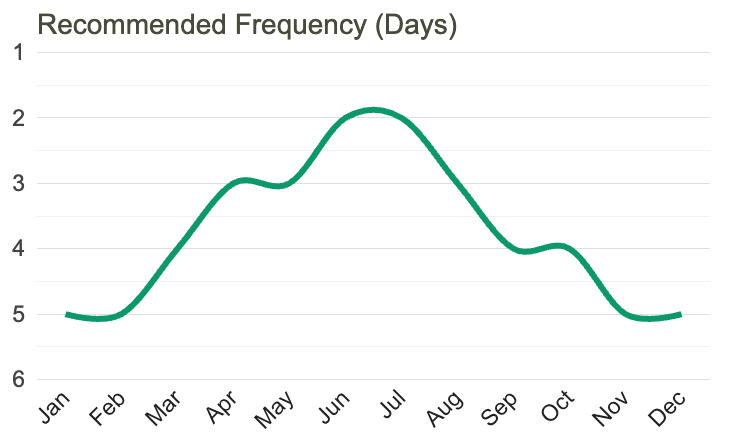
Orobanche Crenata is a plant that requires specific watering techniques in order to ensure its health and growth. When watering this plant, it is important to be precise and careful, as overwatering or underwatering can have negative effects.
One technique for watering Orobanche Crenata is to water it deeply and infrequently. This means giving the plant a thorough watering, allowing the water to soak deep into the soil, and then waiting until the soil is dry before watering it again. This method helps to encourage deep root growth and can also help to prevent the spread of disease.
Another important aspect of watering Orobanche Crenata is to avoid getting the leaves wet. This can increase the likelihood of disease and can also make the plant more susceptible to insect damage. When watering, it is important to direct the water towards the base of the plant, rather than spraying it over the top.
Finally, it is important to monitor the moisture level of the soil around Orobanche Crenata regularly. This can be done by sticking a finger into the soil or by using a moisture meter. By keeping a close eye on the soil moisture, you can ensure that the plant is getting the proper amount of water and adjust your watering schedule as needed.
To fertilize for this plant, use a well-balanced, nutrient-rich fertilizer with a 10-10-10 or 15-15-15 NPK ratio. Apply the fertilizer evenly and lightly throughout the growing season, making sure not to over-fertilize. Water the plant before and after fertilizing to avoid damaging the roots. Avoid using fertilizers that are high in nitrogen as it can promote vegetative growth at the expense of flowers. Instead, choose a fertilizer with balanced amounts of nitrogen, phosphorus, and potassium to encourage overall plant health and flowering.
The recommended type of soil for growing Orobanche Crenata plant should be well-draining and free from any compaction. It should have a pH level of 6.0 to 7.0, which is slightly acidic or neutral. The soil should be rich in organic matter and nutrients to support the growth and development of the plant. It should also have good water retention capacity to ensure proper moisture levels without being waterlogged. It should be free from any plant pathogens or pests that can harm the plant. A mixture of sandy loam soil, vermiculite, and compost is an ideal type of soil for this plant.
Orobanche Crenata is propagated through its seeds. It is important to leave the plant to produce mature seeds on its own and to collect these seeds when they are dry. Once the seeds have been collected, they can be sown in well-drained soil during the fall.
The seeds should be planted to a depth of about 1 cm and should be evenly spaced apart. The soil should be kept moist but not waterlogged, as too much moisture can cause the seed to rot.
As the Orobanche Crenata plant is a parasite, it is important to plant its seeds near a suitable host plant. The host plant should be one that the Orobanche Crenata plant can attach to in order to obtain nutrients.
Once the Orobanche Crenata seed has germinated and started to grow, it should be kept free from weeds and other competing plants. The plant will continue to grow and develop throughout the growing season, eventually producing seeds of its own.
In order to control the spread of Orobanche Crenata, it is important to remove any plants that have become infected with the parasite. This can help to prevent the spread of the plant and protect other plants in the area.