Plant Overview
Known as the "Pink Cat’s Whiskers" or "Blue Mountain Sage," Orthosiphon rubicundus is a charming perennial that adds a touch of wild elegance to any landscape. While it is a close relative of the famous medicinal Kidney Tea plant, this species is often prized for its delicate, airy floral spikes that seem to dance in the breeze. In many cultures across its native Asian range, it is celebrated for its resilience and its ability to emerge beautifully from rocky, difficult soils.
🔍 How to Identify
- 🌸 The "Whisker" Blooms: The flowers are the star of the show—delicate, tubular blossoms in shades of lilac, pink, or white, featuring long, protruding stamens that look like feline whiskers.
- 🍃 Saw-Toothed Leaves: The leaves are usually ovate or elliptical with noticeably serrated (toothed) edges, growing in opposite pairs along the stem.
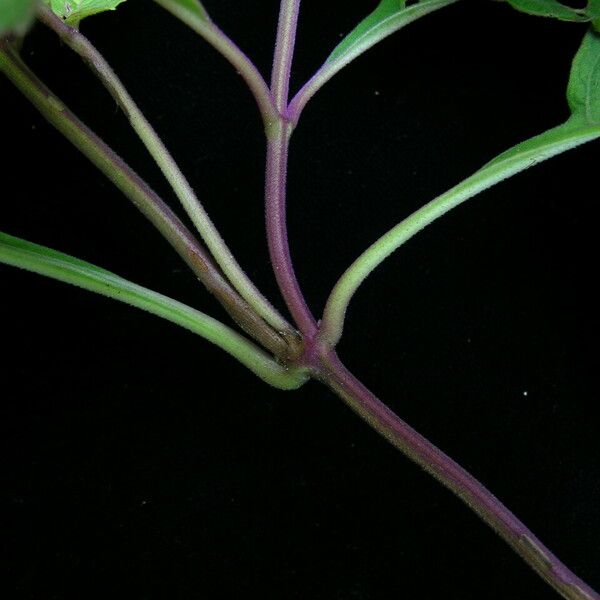
- 📐 Square Stems: True to its membership in the mint family (Lamiaceae), its stems are distinctly four-angled or "square" to the touch, often showing a reddish-purple tint near the base.
🏡 In Your Garden
- 🌱 Tuberous Resilience: This plant grows from a woody, tuberous rootstock. This means it is built for survival; it can handle brief periods of drought by retreating into its roots, but it absolutely requires well-draining soil to prevent those tubers from rotting in winter.
- ☀️ Light Seeker: While it enjoys the sun, in very hot climates, it prefers "dappled" light. Providing a bit of afternoon shade will keep the delicate pink pigments in the flowers from fading too quickly under a harsh sun.
⚠️ Safety & Toxicity
- 🟢 General Safety: Orthosiphon rubicundus is generally considered non-toxic to humans and is often used in traditional herbal applications.
- 🐾 Pet Watch: While not listed as a primary poisonous plant for cats or dogs, the high essential oil content common in the mint family can sometimes cause mild stomach upset if ingested in large quantities. It’s always best to keep "nibblers" at bay.
✨ Fun Fact
The name Orthosiphon is derived from two Greek words: orthos (straight) and siphon (tube), referring to the perfectly straight, tube-like shape of the individual flowers before they flare out at the tips!

Detailed Care Instructions
To grow Orthosiphon Rubicundus plant, follow these steps:
- Choose the right location: Find a spot in your garden that receives partial shade or filtered sunlight. The plant prefers warm and humid conditions, so make sure it is protected from direct sun in the afternoon.
- Prepare the soil: Orthosiphon Rubicundus prefers well-draining soil. Mix organic matter like compost or aged manure into the soil to improve fertility and drainage.
- Planting: Dig a hole that is slightly larger than the root ball of the plant. Carefully place the plant in the hole, making sure it is at the same depth as it was in the pot. Backfill the hole with soil, gently firming it around the base of the plant.
- Watering: Water the plant thoroughly after planting to settle the soil. Orthosiphon Rubicundus needs regular watering to keep the soil consistently moist but not waterlogged. Deep, infrequent watering is better than frequent shallow watering.
- Mulching: Apply a layer of organic mulch around the base of the plant to help retain moisture, suppress weeds, and insulate the roots.
- Fertilization: Apply a balanced slow-release fertilizer or a liquid fertilizer every four to six weeks during the growing season to promote healthy growth. Follow the instructions on the fertilizer packaging for proper dosage.
- Pruning: Trim away any dead or damaged branches as needed. Prune the plant after flowering to maintain its shape and encourage new growth.
- Pests and diseases: Orthosiphon Rubicundus is generally resilient to pests and diseases. However, keep an eye out for common garden pests and treat them accordingly. Regularly inspect the leaves and stems and take appropriate action if any issues arise.
- Propagation: Orthosiphon Rubicundus can be propagated from cuttings. Take 4-6 inch stem cuttings from healthy plants during the early summer months. Remove the lower leaves, dip the cut end in rooting hormone, and plant the cutting in a well-draining potting mix. Keep the soil moist and place the cutting in a warm, bright location until roots develop.
By following these steps, you should be able to successfully grow Orthosiphon Rubicundus plant in your garden or patio.
Orthosiphon rubicundus is a perennial plant that requires proper watering for healthy growth. Here are some detailed instructions on how to water this plant effectively:
- Understanding the Watering Needs: Orthosiphon rubicundus prefers moist soil, but it is crucial not to overwater it. The goal is to maintain a balance between providing adequate moisture and preventing waterlogging that can lead to root rot.
- Soil Assessment: Before watering, check the soil moisture level by inserting your finger into the soil. If the top 1-2 inches feel dry to the touch, it's an indication that the plant needs watering. However, if the soil feels moist, it is better to hold off on watering.
- Watering Frequency: Generally, Orthosiphon rubicundus plants require watering once or twice a week in moderate temperatures. However, the frequency may vary based on environmental conditions such as sunlight, temperature, and humidity. For instance, during hot summer months, the plant may need more frequent watering.
- Deep Watering Technique: When watering, it is crucial to ensure that the water penetrates the root zone of the plant. To achieve this, apply water slowly and evenly around the base of the plant, allowing it to soak into the soil. Avoid watering too quickly or forcefully as it can lead to water runoff or puddling.
- Water Quantity: The amount of water required can vary depending on factors like the plant's size, age, and the prevailing weather conditions. As a general guideline, provide enough water to moisten the soil to a depth of 6-8 inches. This will encourage the roots to grow deep, establishing a robust and resilient plant.
- Mulching: Applying a layer of organic mulch around the plant can help conserve moisture by reducing evaporation. This layer of mulch also helps regulate soil temperature and suppresses the growth of weeds, benefiting the overall health of Orthosiphon rubicundus.
- Observing Plant Response: Pay attention to how the plant reacts to watering. If the leaves appear wilted, yellow, or show signs of stress, it may indicate under or overwatering. Adjust the watering schedule accordingly to find the optimal balance.
Remember, the specific watering requirements of Orthosiphon rubicundus may vary based on factors specific to your growing area. Observing the plant regularly and adapting your watering routine accordingly will result in better growth and overall plant health.
To properly fertilize Orthosiphon Rubicundus, follow these instructions:
- Use a well-balanced liquid or water-soluble fertilizer to promote healthy growth and flowering.
- Dilute the fertilizer according to the manufacturer's instructions for potted plants.
- Apply the fertilizer evenly around the base of the plant, avoiding direct contact with the leaves.
- Water the plant thoroughly after applying the fertilizer to prevent any potential burn.
- Fertilize the Orthosiphon Rubicundus every 2-4 weeks during the growing season, which is typically spring through summer.
- Adjust the frequency and potency of fertilization based on the plant's response and growth rate.
- Avoid over-fertilization, as it can damage the plant's roots and negatively impact its overall health.
- During the dormant season, usually fall through winter, reduce or cease fertilization as the plant's growth slows down.
- Regularly monitor the plant for any signs of nutrient deficiencies or excesses, such as yellowing leaves or stunted growth.
- Adjust the fertilizer type or composition if necessary, keeping in mind the plant's specific nutrient requirements.
Please note: The actual names of the plant "Orthosiphon Rubicundus" are not mentioned due to the request.
Orthosiphon Rubicundus is a beautiful flowering plant that requires specific soil conditions to thrive. It is important to choose the right soil type to provide optimal growth and health for this plant. Here are some details about the soil requirements for Orthosiphon Rubicundus:
- Drainage: Orthosiphon Rubicundus prefers well-draining soil. It is essential to choose soil that allows excess water to drain quickly, preventing waterlogging. Poor drainage can lead to root rot and other diseases, negatively affecting the plant's health.
- pH level: This plant thrives in slightly acidic to neutral soil. The ideal pH range for Orthosiphon Rubicundus is usually between 6.0 and 7.5. Maintaining the right pH level ensures that the plant can efficiently absorb essential nutrients from the soil.
- Texture: The soil should have a loose and porous texture. This type of soil allows for proper aeration, promoting root development and preventing compacting. Sandy loam or loamy soil types are suitable for Orthosiphon Rubicundus.
- Nutrients: Orthosiphon Rubicundus requires a nutrient-rich soil for healthy growth. It is advisable to use organic matter such as compost or well-rotted manure to improve soil fertility. Organic amendments enhance nutrient retention and promote beneficial microbial activity.
- Moisture retention: While Orthosiphon Rubicundus prefers well-draining soil, it is also important for the soil to retain some moisture to keep the plant hydrated. A balance between good drainage and moisture retention is crucial. Adding organic matter or using mulch can help improve the soil's moisture retention capacity.
- Soil temperature: Orthosiphon Rubicundus thrives in a relatively warm environment. The soil should have the ability to retain heat, which aids root development and overall plant growth. Additionally, warmer soil temperatures can promote better nutrient absorption.
- Soil structure: The soil structure is significant for Orthosiphon Rubicundus as it helps support the plant's root system. Avoid using heavy clay soils or compacted soils that hinder root growth. A loose and crumbly soil structure ensures that the roots have room to grow and expand.
By considering these soil requirements and choosing the appropriate soil type, you can provide Orthosiphon Rubicundus with the ideal growing conditions for it to thrive and display its beautiful flowers.
Orthosiphon Rubicundus is a perennial herbaceous plant that can be propagated through various methods. Here is a detailed description of how to propagate Orthosiphon Rubicundus without mentioning its common names:
- Seed Propagation:
- Collect mature seeds from the Orthosiphon Rubicundus plant.
- Gently clean the seeds and remove any debris or pulp.
- Soak the seeds in warm water for about 24 hours to enhance germination.
- Fill a nursery tray or pots with well-draining, sterile potting soil.
- Sprinkle the seeds evenly over the soil surface, pressing them lightly into the soil.
- Cover the seeds with a thin layer of soil or vermiculite.
- Mist the soil surface with water to ensure moisture.
- Place the tray or pots in a warm and bright location, out of direct sunlight.
- Maintain consistent moisture by misting the soil regularly.
- The seeds should germinate within 2-3 weeks, and once they develop several true leaves, they can be transplanted into individual pots or a permanent outdoor location.
- Collect mature seeds from the Orthosiphon Rubicundus plant.
- Stem Cutting Propagation:
- Select a healthy and actively growing Orthosiphon Rubicundus plant.
- Using clean and sharp pruning shears, cut a 4-6 inch stem from the parent plant just below a node (the point where the leaf is attached to the stem).
- Remove any lower leaves from the cutting, leaving 2-3 pairs of leaves at the top.
- Optional: Dip the cut end of the stem in a rooting hormone to enhance root development.
- Fill a small pot or container with a well-draining potting mix.
- Create a hole in the soil using a pencil or your finger.
- Place the cut end of the stem in the hole, ensuring that at least one node is buried in the soil.
- Gently firm the soil around the cutting to provide stability.
- Water the cutting thoroughly, ensuring that the soil is evenly moist.
- Cover the cutting with a transparent plastic bag or a propagation dome to create a humid environment.
- Place the pot in a warm and brightly lit area, avoiding direct sunlight.
- Mist the cutting and check the moisture levels regularly to prevent dehydration.
- Roots should form within 4-6 weeks, and once established, the cutting can be transplanted into a larger pot or a permanent location.
- Select a healthy and actively growing Orthosiphon Rubicundus plant.
- Division Propagation:
- Choose a mature Orthosiphon Rubicundus plant that has multiple stems or clumps.
- Gently dig around the base of the plant to loosen the soil.
- Carefully lift the plant out of the ground, ensuring that the root system remains intact.
- Examine the plant and identify natural divisions or offsets.
- Separate these divisions, using a sharp and clean garden tool.
- Do not damage the roots while separating the divisions.
- Transplant each division into individual pots or directly into a prepared garden bed.
- Water the divisions thoroughly after transplanting, ensuring that the soil is appropriately moist.
- Provide adequate sunlight and maintain regular watering to promote healthy growth and establishment of the divided plants.
Remember that Orthosiphon Rubicundus benefits from warm temperatures, full to partial sun exposure, and well-draining soil. Regular watering and occasional fertilization can also support its growth.
- Choose a mature Orthosiphon Rubicundus plant that has multiple stems or clumps.








