Plant Overview
Known as "Duck Lettuce" or the "Swamp Lily," Ottelia alismoides is a captivating aquatic beauty found drifting in slow-moving streams and rice paddies across Asia and Northern Australia. While it may look like a delicate pond ornament, it is a hardy survivor that can transition from being fully submerged to floating effortlessly. In some cultures, it is even harvested as a crisp, wild vegetable, though in the aquarium trade, it is prized primarily for its lush, translucent greenery.
🔍 How to Identify
- 🌿 Leaf Texture: The leaves are thin, wavy, and almost see-through, ranging from vibrant lime green to a deep, rich emerald.
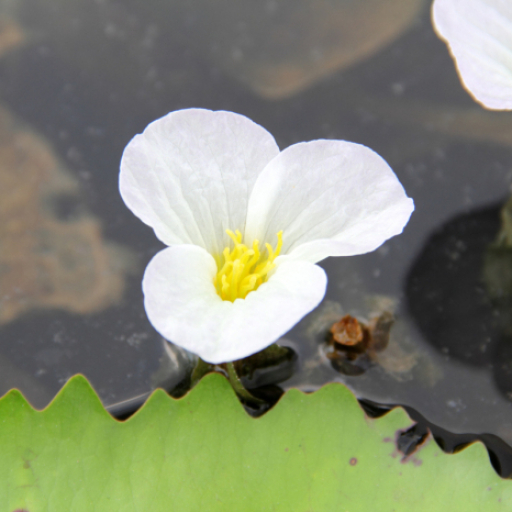
- 🌸 Floating Flowers: It produces charming three-petaled white flowers that sit just above the water surface, often featuring a bright yellow center.
- 🌱 Growth Form: Unlike many sprawling pond weeds, it grows in a tidy rosette shape, with leaves radiating from a central base anchored firmly in the mud.
🏡 In Your Garden
- 💧 Water Conditions: This plant thrives in stagnant or slow-moving water; it loves the "quiet corners" of a pond or a large aquarium where it won't be tossed around by heavy currents or filters.
- ☀️ Light & Soil: It is a heavy feeder that requires a nutrient-rich, muddy substrate to anchor its roots and plenty of direct sunlight to trigger its signature blooms.
- 🚜 Invasive Alert: Because it produces a massive amount of seeds, it can become invasive in tropical and subtropical climates. Never release this plant into local natural waterways, as it can quickly crowd out native species.
⚠️ Safety & Toxicity
- ✅ General Safety: Ottelia alismoides is considered non-toxic to humans and is actually used as a food source (boiled or in salads) in parts of Southeast Asia.
- 🐾 Pets & Wildlife: There are no known toxicities for dogs, cats, or horses, making it a "pet-safe" addition to backyard water features.
- ⚠️ Pollution Warning: If you intend to use it as an edible plant, ensure the water it grows in is free from pesticides, heavy metals, and chemical runoff, as aquatic plants easily absorb toxins from their environment.
✨ Fun Fact
The flowers of the Duck Lettuce are often "cleistogamous," which is a fancy scientific way of saying that some of the flowers can pollinate themselves and produce seeds without ever even opening up!

Detailed Care Instructions
To grow Ottelia alismoides, also known as duckweed or water lettuce, you can follow these steps:
- Choose a suitable container: Ottelia alismoides is an aquatic plant and needs to be grown in a container with water. A fish tank, pond, or large pot can be used.
- Prepare the water: Fill the container with normal tap water or rainwater. It should be free of chlorine, heavy metals, and pollutants. If using tap water, let it sit uncovered for 24 hours before adding the plant to allow any chlorine to evaporate.
- Planting: Gently place the Ottelia alismoides plant into the water, making sure the roots are submerged. You can anchor the plant with rocks or plant weights to keep it from floating or drifting.
- Placement: Place the container in a location with indirect sunlight or partial shade. Ottelia alismoides prefers bright light but can get damaged by intense sunlight. Make sure the water temperature remains between 60-82°F (15-28°C) for optimal growth.
- Nutrients: Provide nutrients to the plant by adding a liquid aquatic plant fertilizer according to the manufacturer's instructions. This will help promote healthy growth and vibrant foliage.
- Water maintenance: Ottelia alismoides thrives in still or slow-moving water, so make sure to keep the water level constant. If using tap water to top off, remember to let it sit for 24 hours to dechlorinate before adding it to the container. Regularly remove any dead leaves, debris, or algae from the water.
- Propagation: Ottelia alismoides reproduces by sending out runners or daughter plants. As the plant grows, it will produce smaller plants connected to the main one. These daughter plants can be separated and replanted in different containers or locations to propagate new plants.
- Pests and diseases: Monitor the plant for pests, such as aphids or snails, and remove them manually or use organic insecticides if needed. Keep an eye out for any signs of disease, such as rotting or yellowing leaves, and take appropriate measures if necessary.
By following these steps and providing proper care, you can successfully grow Ottelia alismoides in your container or water garden.

Place in a bright room that is sun drenched almost all day. Or directly in a south-facing window.

To properly water this aquatic plant, you should ensure that it is planted in soil that is rich in organic matter and has good drainage. Be sure to water the plant deeply but infrequently, as it will thrive better in moist soil rather than constantly wet soil. To determine when the plant needs watering, you should check the soil moisture level by sticking your finger into the top inch of soil. If the soil feels dry to the touch, it is time to water. You should also avoid overwatering, as this can lead to root rot and other plant diseases. Additionally, you should provide the plant with plenty of sunlight and nutrients, whether through fertilizer or natural sources such as fish waste or decaying plant matter. With proper care, this plant can provide attractive foliage and help to maintain a healthy aquatic ecosystem.
To fertilize this plant, you should use a specialized aquatic plant fertilizer that contains a balanced mix of nitrogen, phosphorus, and potassium. Apply the fertilizer according to the manufacturer's instructions, taking care not to over-fertilize, as this can lead to algae growth and other issues. It is also recommended to supplement with micronutrients like iron and magnesium, which can be found in specialized aquatic fertilizers or in chelated form. Finally, make sure to monitor water quality regularly and make any necessary adjustments to pH or alkalinity levels to ensure the health and vitality of your Ottelia Alismoides plant.
Ottelia Alismoides plant thrives in a well-draining soil medium that is rich in organic matter. It prefers a soil that has a neutral pH level and is loamy, which means it has an equal proportion of sand, silt, and clay particles. The soil should be moist enough to hold some water, but not too wet as this can cause root rot. It is recommended to add compost or organic matter to the soil before planting the Ottelia Alismoides to provide additional nutrients and improve the soil structure. The plant is also tolerant of slightly brackish water conditions, so it can grow well in soils with some salt content.
To propagate this aquatic plant, you will need to find a healthy parent plant growing in water. Then carefully remove a side shoot or a stem tip with a few leaves. Make a small incision on the end of the stem and remove any leaves that will be submerged in water.
Place the cutting into a container filled with water and position it near a sunny window with filtered light. It's important to ensure that the water covers the cut end of the stem so that it can absorb water and nutrients.
Change the water every few days to keep it clean and avoid algae growth. After a few weeks, roots should start to emerge from the cut end of the stem. Once the roots are well developed, you can carefully transplant the new plant into a suitable aquatic potting mix or substrate.
It's important to keep the newly propagated plant in a sunny but filtered light location for a few days to avoid any shock to the plant. If the plant shows signs of stress, cut back on light levels. With proper care and maintenance, your new Ottelia Alismoides plant will thrive and grow to be a beautiful aquatic addition to any landscape.








