Plant Overview
Often called the Texas Palafox or Sand Palafox, this hardy wildflower is a native icon of the arid Southwest and Northern Mexico. With its spindly stems and delicate, starry blooms, it looks like a captured puff of a desert sunset dancing in the wind. It is a must-have for butterfly enthusiasts who want to bring a piece of the rugged, wild prairie into a home landscape.
🔍 How to Identify
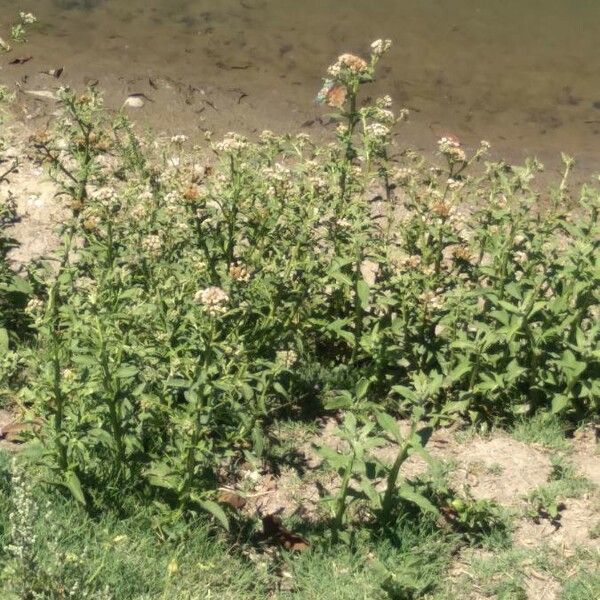
- 🌸 Disk-Only Blooms: Unlike many daisies, this plant lacks long outer "ray" petals. Instead, it features clusters of tubular, pale pink to lavender florets with prominent, protruding dark pink centers that look like tiny bursts of fireworks.
- 🌿 Slender Foliage: The leaves are narrow, lance-shaped, and arranged alternately along the stem. They are often covered in fine, sticky hairs that help the plant retain moisture.
- 📏 Airy Growth Habit: It grows as a slender, branching annual, usually reaching 1 to 3 feet in height. It has a "see-through" quality that makes it perfect for interplanting without crowding out its neighbors.
🏡 In Your Garden
- 🏜️ The Drainage Specialist: Its nickname "Sand Palafox" is no accident; this plant has evolved to thrive in loose, sandy, or poor-quality soils. It hates "wet feet," so avoid heavy clay or over-watering, which can lead to root rot.
- 🦋 Late-Season Hero: While other flowers might wilt in the intense late-summer heat, the Texas Palafox hits its stride. It serves as a vital "gas station" for migrating butterflies and local bees during the hottest months of the year.
⚠️ Safety & Toxicity
- 🐾 Safe Status: Palafoxia texana is generally considered non-toxic to dogs, cats, and livestock. It is a common sight in Texas pastures where cattle graze.
- 🧤 Skin Sensitivity: Because the stems and leaves can be slightly glandular or hairy, individuals with very sensitive skin might experience mild contact irritation. It is always a good idea to wear gloves when pruning or pulling spent plants.
✨ Fun Fact
🎖️ Military Honors: The genus Palafoxia was named to honor José de Palafox y Melci, a celebrated Spanish General and the Duke of Saragossa, who became a national hero for his defense of the city during the Napoleonic Wars.

Detailed Care Instructions
To grow Palafoxia texana, also known as Texas Redroot, you can follow these steps:
- Choose a suitable location: Palafoxia texana prefers full sun exposure, so select a spot in your garden that receives at least 6-8 hours of direct sunlight each day. Ensure that the soil is well-draining.
- Prepare the soil: Palafoxia texana prefers sandy or loamy soil. You can amend the soil with organic matter such as compost or peat moss to improve its drainage and fertility.
- Plant seeds or transplants: Palafoxia texana can be grown from either seeds or transplants. If using seeds, sow them directly into the soil in early spring or late fall (in mild climates) after the danger of frost has passed. Cover the seeds lightly with soil and water gently. If using transplants, dig a hole slightly larger than the root ball of the plant, place the plant in the hole, and backfill with soil. Water immediately after planting.
- Watering: Palafoxia texana has moderate water requirements. Water the plant regularly, keeping the soil moist but not waterlogged. During hot and dry periods, provide supplementary watering to prevent the soil from drying out completely.
- Mulching: Apply a layer of organic mulch around the base of the plant to help retain soil moisture and suppress weed growth. Be sure to keep the mulch a few inches away from the stem to prevent rotting.
- Pruning and deadheading: As the plant grows, you can pinch or prune the stems to encourage bushier growth and more flowers. Deadhead spent flowers regularly to promote continuous blooming.
- Fertilization: Palafoxia texana doesn't typically require excessive fertilization. However, you can apply a balanced, slow-release fertilizer in early spring to provide essential nutrients for healthy growth.
- Pest and disease management: Palafoxia texana is relatively pest and disease resistant. However, you should keep an eye out for common garden pests like aphids or spider mites. If necessary, use organic pest control methods or insecticidal soap to manage infestations.
By following these guidelines, you should be able to successfully grow Palafoxia texana in your garden.

Place in a bright room that is sun drenched almost all day. Or directly in a south-facing window.

Watering a plant that belongs to the Palafoxia Texana species requires the use of water in an adequate quantity and at appropriate intervals. The soil around the plant should never be excessively dry; otherwise, this can negatively impact the plant's growth and lead to wilting or stunted growth. Watering should be done consistently and regularly, particularly during the warmer months or periods of drought. It is important to note that the amount of water required can vary depending on various factors such as temperature, humidity, and sunlight exposure. Therefore, it is recommended to check the soil moisture regularly and adjust watering accordingly. Additionally, when watering, it is best to avoid getting water directly on the foliage, as this can lead to fungal growth and other issues. A drip irrigation system or a gentle stream from a watering can are both recommended methods of watering Palafoxia Texana plants.
For optimal growth and flowering, apply a balanced fertilizer with equal amounts of nitrogen, phosphorus, and potassium every four to six weeks during the growing season. Avoid over-fertilizing as it can cause excessive foliage growth at the expense of flowering. Additionally, it is recommended to perform a soil test to determine any specific nutrient deficiencies and adjust your fertilization plan accordingly.
The Palafoxia Texana plant prefers to grow in a well-draining soil that is rich in nutrients. The soil should have a pH between 5.5 and 7.5, and be moist but not waterlogged. It is important that the soil be loose and aerated, as this will help improve water retention and allow for proper root development. The use of organic matter, such as compost or leaf mold, can help improve the soil quality and nutrient content. Clay soils should be avoided, as they can be heavy and poorly draining, which can cause root rot or other diseases. Finally, it is important to ensure the soil is free of weeds and other debris that can compete with the Palafoxia Texana for nutrients and water.
To propagate this plant, you will need to collect seeds from the mature plant. Allow the flowers to bloom and fade, then carefully collect the seed pods that develop. Once the pods have dried, gently remove the seeds and store them in a cool, dry place.
To germinate the seeds, plant them in well-draining soil in a sunny location. Keep the soil moist but not waterlogged and the seeds should begin to germinate in 1-2 weeks.
As the plants mature, they can be carefully divided and transplanted to other locations in the garden. This is best done in the spring when new growth is just beginning. Dig up the entire plant, separate the roots, and replant in enriched soil. Keep the soil moist and the plants should establish themselves quickly.








