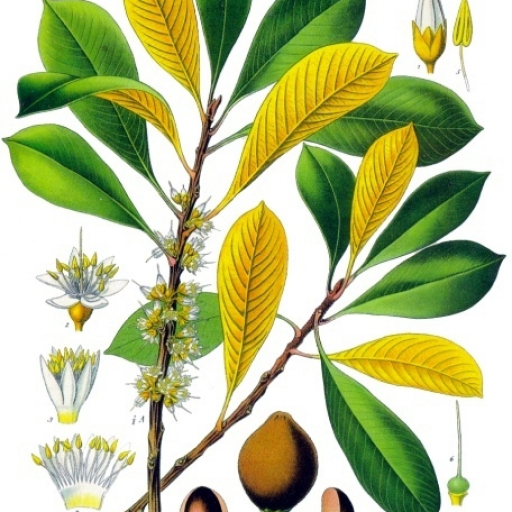
Plant Overview
Known as the "Tree of the Telegraph," Palaquium gutta changed the world long before the digital age began. This tropical evergreen produces a unique, non-elastic latex called gutta-percha that revolutionized global communication in the 19th century. While it may look like a standard lush rainforest giant, its "blood" is actually a natural bio-plastic that paved the way for the modern internet.
🔍 How to Identify
- 🍃 Coppery Undersides: The leaves are a striking study in contrast; they are glossy, deep green on top, but the undersides are covered in tiny, silky hairs that give them a golden or rusty-red hue.
- 💧 The "Plumping" Sap: When the bark or leaves are broken, the tree leaks a thick, milky latex. Unlike rubber, this sap is not "bouncy"—it hardens into a tough, plastic-like material when exposed to air.
- 🌳 Stately Stature: In its native habitat, it can reach impressive heights with a straight, cylindrical trunk and a dense, spreading canopy that casts a heavy shade.
🏡 In Your Landscape
- 🌡️ Tropical Requirements: This is not a plant for cold climates. It demands high humidity and consistent warmth year-round; even a light frost can be fatal to its broad, tropical foliage.
- 🌱 Deep Root Systems: Because it grows into a massive tree, it requires deep, well-draining soil. It is rarely grown as a container plant because its vigorous root system quickly outgrows any pot, preferring the stability of the open ground.
⚠️ Safety & Toxicity
- ✅ Low Toxicity: Palaquium gutta is generally considered non-toxic to humans and common household pets.
- 👐 Sticky Sap: The primary concern is the latex. It is incredibly sticky and difficult to remove from skin or clothing. Those with specific latex allergies should handle the tree with gloves to avoid potential skin irritation or allergic reactions.
✨ Fun Fact
Before the invention of modern plastics, gutta-percha was used to make the very first "professional" golf balls! Known as "Guties," these balls were more durable than the previous leather-and-feather versions and helped make golf a popular sport for the masses in the mid-1800s.

Detailed Care Instructions
Palaquium Gutta plant requires regular watering, especially during the growing season. It is essential to keep the soil consistently moist, but not waterlogged. One can water the plant using a watering can or a watering hose. It is advisable to water the plant more frequently during hot and dry weather conditions. However, overwatering must be avoided as it can lead to root rot and other fungal diseases. It is also essential to ensure that the plant is grown in well-drained soil to prevent waterlogging. The best way to determine the watering needs of the plant is by checking the soil moisture level regularly. One can do this by inserting a finger into the soil and checking for dampness. If the soil feels dry, it is an indication that it needs watering.
Palaquium Gutta requires well-draining soil that is rich in organic matter. A soil mix that is composed of equal parts of high-quality potting soil, perlite, and peat moss is ideal for this plant. It is important that the soil is not too compact, as this can restrict root growth. The pH level of the soil should be slightly acidic, ideally between 5.0 and 6.5. Regular fertilization is also necessary to promote healthy growth. A balanced, water-soluble fertilizer that is low in nitrogen is recommended, applied every two to three weeks during the growing season. It is important to avoid overwatering, as this can lead to root rot. Plants should be watered when the top inch of soil feels dry to the touch.








