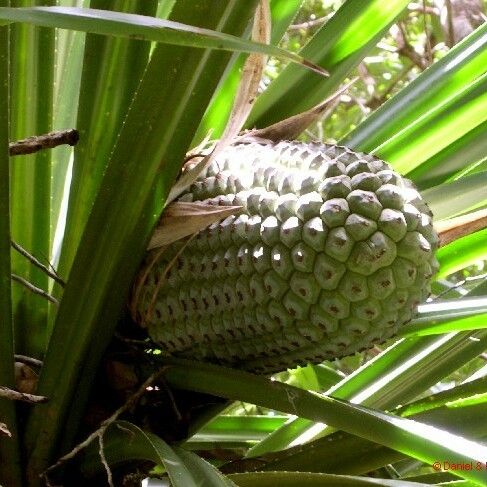
Plant Overview
Known as one of the architectural marvels of the South Pacific, Pandanus pancheri is a "Screw Pine" that looks like it stepped out of a prehistoric landscape. This New Caledonian native earns its nickname from the dramatic, spiral arrangement of its leaves, which twist around the woody stem like a giant green screw. It is a favorite among tropical plant enthusiasts who want a structural "statement piece" that brings a touch of Jurassic flair to the garden.
🔍 How to Identify
- 🌀 Spiral Foliage: The long, sword-shaped leaves grow in a distinct, tight corkscrew pattern around the central trunk.
- 🏗️ Stilt Roots: As the plant matures, it develops thick "prop roots" that emerge from the stem and dive into the soil, making the tree look like it is standing on wooden stilts.
- ⚔️ Saw-Toothed Edges: The margins (edges) of the leaves are lined with fine, sharp spines that can be surprisingly prickly to the touch.
🏡 In Your Garden
- 🏝️ Coastal Vibes: This plant is incredibly salt-tolerant and wind-resistant, making it a perfect choice for coastal landscapes or poolside planting where other plants might struggle.
- 🏺 Pot Longevity: Because it is a relatively slow grower, it can live in a large, heavy pot for many years. However, ensure the container is stable, as the plant can become top-heavy due to its dense crown of foliage.
- 🚿 Humidity Lover: While it can handle some drought once established, it thrives in high humidity. If kept indoors or in dry climates, regular misting or a nearby water feature will keep the leaf tips from browning.
⚠️ Safety & Toxicity
- 🌵 Physical Hazard: The primary "danger" of the Pandanus pancheri is its leaves. The serrated edges are sharp enough to cause skin irritation or small cuts, so wear gloves when pruning.
- 🐾 Pet Safety: While generally considered non-toxic to cats and dogs if a small amount is nibbled, the sharp spines on the leaves pose a significant choking hazard or risk of internal scratching if swallowed.
- 🍽️ Not for Dinner: Unlike some other Pandanus species used in Asian cooking, this variety is strictly ornamental and should not be consumed.
✨ Fun Fact
The "stilt roots" aren't just for show! In their native island habitats, these roots act as anchors, allowing the Pandanus to remain standing during intense tropical storms and cyclones that would topple other trees.

Detailed Care Instructions








