Plant Overview
The Pandanus purpurascens, often referred to as the Purple Screwpine, is a striking tropical architect of the plant world. Known for its "walking" stilt roots and leaves that spiral upward like a corkscrew, this plant brings a prehistoric, dramatic flair to any coastal or tropical landscape. In many Pacific cultures, its relatives are legendary for providing everything from weaving materials to aromatic flavorings.
🔍 How to Identify
- 🌀 Spiral Growth: The long, sword-shaped leaves grow in a distinct spiral pattern around the central trunk, which is how it earned the name "Screwpine."
- 🦶 Stilt Roots: As the plant matures, it develops thick, woody "prop roots" that emerge from the stem and dive into the ground, making the tree look like it is standing on multiple legs.
- 💜 Purple Accents: Unlike the common green varieties, purpurascens features deep reddish-purple tints, especially along the leaf margins and the base of the foliage.
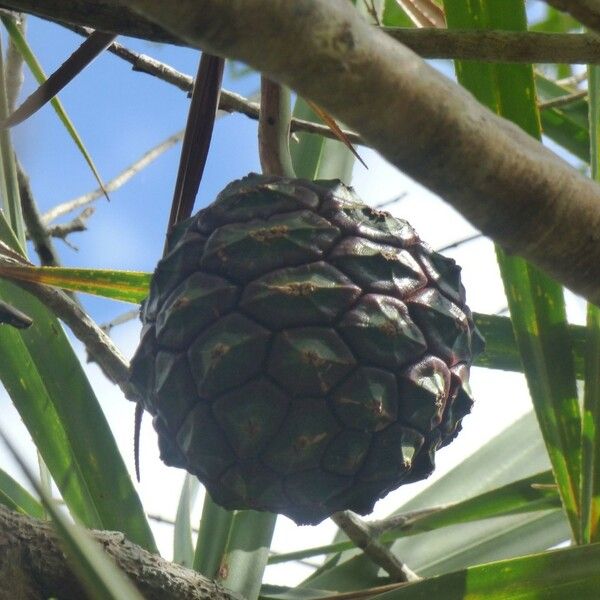
- 🍍 Segmented Fruit: It produces a large, woody fruit that looks remarkably like a hanging pineapple, composed of many individual wedge-shaped sections.
🏡 In Your Garden
- 🌊 Salt & Wind Specialist: This plant is a coastal champion. It evolved to thrive in sandy soils and salty sea breezes, making it an excellent choice for seaside gardens where other plants might wither.
- 🧘 Root Stability: Because of its heavy prop roots, it is incredibly stable during high winds. However, avoid transplanting mature specimens if possible; their root systems are specialized and can be sensitive to being moved once established.
- 💧 Thirst for Humidity: While it can handle some drought once established, it craves high humidity. If grown indoors or in dry climates, it may develop brown, crispy tips on its beautiful purple-edged leaves.
⚠️ Safety & Toxicity
- ⚔️ Sharp Margins: The most immediate danger is physical. The leaf edges are lined with tiny, serrated teeth that can easily cause "paper cuts" or scratches to skin. Wear gloves when pruning.
- 🐾 Pet Safety: While the plant is generally considered non-toxic to cats and dogs if nibbled, the sharp leaves can cause mechanical injury to a pet's mouth or throat.
- 🍽️ Fruit Caution: While some Pandanus species have edible fruits, many contain calcium oxalate crystals that cause intense mouth irritation unless processed correctly. It is best treated as an ornamental plant only.
✨ Fun Fact
The Pandanus is often called the "Walking Tree." Legend says that if the tree is unhappy with its location, it can slowly "walk" toward better soil or water by growing new prop roots in one direction and letting the old ones on the opposite side die off!

Detailed Care Instructions
To grow Pandanus purpurascens, also known as the Purple Pandan, follow these steps:
- Climate: This plant thrives in tropical and subtropical climates. Ensure that the temperature remains consistently above 60°F (15°C) throughout the year.
- Light: Place the plant in a location that receives bright, indirect sunlight. Avoid placing it in direct sunlight, as it can scorch the leaves.
- Soil: Use a well-draining soil mix with a slightly acidic to neutral pH. A mix of peat moss, perlite, and regular potting soil can work well.
- Watering: Water the plant regularly to keep the soil slightly moist. Check the moisture level by sticking your finger about an inch into the soil. Reduce watering during winter, allowing the soil to partially dry between waterings.
- Humidity: Pandanus purpurascens prefers high humidity levels. Mist the plant regularly or place a tray of water nearby to increase humidity. You can also use a humidifier in the room if needed.
- Fertilizer: Feed the plant with a balanced, slow-release fertilizer during the growing season (spring and summer). Follow the instructions on the fertilizer packaging for the correct dosage.
- Pruning: Trim any brown or dead leaves regularly to promote a healthy appearance. Use clean, sharp pruning shears to avoid damaging the plant.
- Propagation: Propagate the plant through suckers or stem cuttings. Suckers are small offshoots that emerge from the base of the plant. Carefully separate them and plant them in a separate pot. To propagate from stem cuttings, take a healthy stem section and plant it in a moist rooting medium.
- Repotting: As the plant grows, it may outgrow its current pot. Repot the Pandanus purpurascens into a slightly larger pot using fresh soil mix. Spring is the best time for repotting.
Remember, growing plants requires patience and consistent care. Be attentive to your Pandanus purpurascens plant's needs, and it will reward you with its beautiful foliage.
Pandanus Purpurascens is a tropical plant that requires moderate watering ensuring that the soil remains moist but not waterlogged. The frequency of watering depends on various factors such as the weather, the pot's size, and the soil type. It is important to observe the plant and water it whenever the top layer of soil feels dry but before it becomes completely dry. Overwatering can lead to root rot, so it is essential to water the plant in moderation. When watering, make sure to water the soil directly and avoid splashing water on the leaves. It is recommended to use room temperature water to prevent temperature shock or damage to the plant. Additionally, it is good to note that Pandanus Purpurascens does well in high humidity, so regular misting can help to keep the plant healthy and hydrated.
To fertilize this plant, use a balanced, slow-release fertilizer with an NPK ratio of 10-10-10. Apply the fertilizer around the base of the plant, following the manufacturer's instructions for dosage and frequency. Avoid over-fertilizing, as this can damage the plant. Water the plant thoroughly after fertilizing, to help distribute the nutrients throughout the soil.
Pandanus Purpurascens requires a well-draining soil that is rich in nutrients. The soil should be slightly acidic with a pH range of 5.5 to 6.5. The plant prefers a sandy loam soil with a mixture of organic matter like peat moss, compost, or coco coir. The soil should be moist but not waterlogged, so it's important to choose a pot with good drainage.
Additionally, Pandanus Purpurascens prefers full to partial sunlight and requires regular fertilization during the growing season to thrive. It's recommended to use a slow-release fertilizer or a liquid fertilizer every two weeks during spring and summer. Overall, it's essential to choose a high-quality soil that provides optimal growing conditions for this plant to flourish.
Propagation of this plant species can be accomplished through a variety of methods, depending on the specific goals of the grower. For instance, it may be possible to propagate this plant through division, by taking cuttings from the mother plant, or through a process known as air layering. In all cases, care should be taken to ensure that the new plant receives adequate moisture, light, and nutrients as it takes root and begins to grow. Additionally, it is important to monitor the new plant closely for any signs of disease or damage that could compromise its growth and development. With proper care and attention, Pandanus Purpurascens can be propagated successfully and provide new growth and beauty to any garden or landscape.








