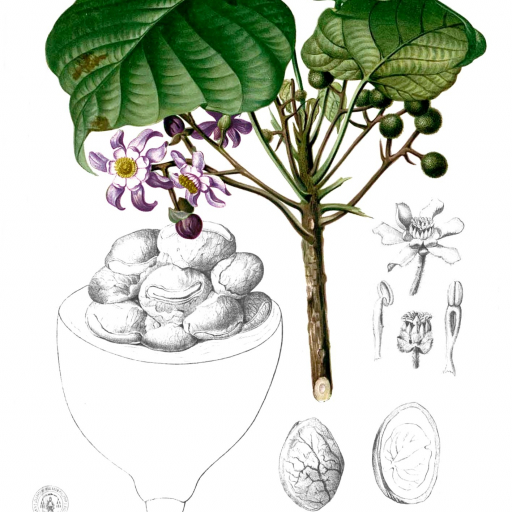
Plant Overview
Known as the "Football Fruit" or "Keluak," Pangium edule is a towering paradox of the Southeast Asian rainforest. While it is the source of the iconic, earthy black sauce found in Javanese and Peranakan cuisine, it is naturally one of the most dangerous plants in the region. In its raw state, this tree is a "cyanide factory," requiring ancient, complex fermentation techniques to transform its deadly seeds into a gourmet delicacy.
🔍 How to Identify
- 🍃 Giant Foliage: It features massive, glossy, heart-shaped leaves that can grow up to 15 inches long, often arranged spirally at the ends of branches.
- 🥥 The "Football" Fruit: The fruit is large, brown, and pear-shaped (resembling a rough, scurfy football) with a woody skin that hangs heavily from the branches.
- 🌰 The Seeds: Inside the fruit, you'll find several large, grayish, triangular seeds nestled in a creamy white pulp. Once processed, these seeds turn jet black and oily.
🏡 In Your Garden
- 🌳 Space & Scale: This is not a plant for small spaces or indoor pots. It is a massive rainforest tree that can reach heights of 60 to 80 feet, requiring deep, rich soil and a permanent spot in the landscape.
- 🌡️ Tropical Requirements: It is strictly a tropical species. It craves high humidity, heavy rainfall, and temperatures that never dip near freezing. It is often found growing wild near riverbanks where the soil stays consistently moist.
⚠️ Safety & Toxicity
- 🛑 Extreme Danger: Every part of this plant is highly toxic. The seeds, fruit, and leaves contain high concentrations of hydrogen cyanide. Ingesting raw seeds can be lethal to humans and animals.
- 🐾 Pets & Children: Fallen fruits are a significant hazard. Because the toxins can be absorbed through ingestion, this tree should never be planted in areas accessible to curious pets or children. The seeds are only edible after a lengthy process of boiling and burying them in ash for forty days to ferment.
✨ Fun Fact
- ✨ The 40-Day Transformation: The famous Indonesian "Rawon" soup gets its deep black color from these seeds. To make them safe, the seeds are boiled and then buried in the earth for over a month. This slow fermentation process neutralizes the cyanide and turns the bitter white flesh into a rich, black paste that tastes like a mix of dark chocolate, mushrooms, and truffles.

Detailed Care Instructions
To grow the Pangium edule plant, also known as the "football fruit" or "satu," you can follow these steps:
- Obtain seeds or saplings: Find a reliable source for purchasing Pangium edule seeds or saplings. You may be able to find them online or at specialty plant nurseries.
- Preparing the soil: Pangium edule plants prefer well-draining, acidic soil. Mix organic matter like compost or peat moss into the soil to improve its structure and nutrient content.
- Germination: If you have seeds, soak them in water for a day before planting them. Sow the seeds 1 inch deep in pots or containers filled with the prepared soil.
- Location and climate: Pangium edule plants thrive in warm tropical or subtropical climates. They require temperatures above 70°F (21°C) and high humidity. Choose a location that receives partial shade, as direct sunlight can scorch the leaves.
- Watering: Keep the soil consistently moist but not waterlogged. Water the plant regularly, especially during dry periods. Avoid overwatering, as it may cause root rot.
- Fertilization: Apply a balanced organic fertilizer every two to three months during the growing season to provide essential nutrients. Follow the dosage instructions on the fertilizer package.
- Pruning: Trim any dead or damaged leaves regularly to maintain the plant's health and appearance. Pruning also helps to improve air circulation around the plant.
- Pest and disease control: Keep an eye out for common pests like aphids or mealybugs. Treat any infestations promptly with organic insecticides or insecticidal soaps. Monitor the plant for signs of diseases such as leaf spots or root rot, and take appropriate measures to address them.
- Harvesting: The fruit of Pangium edule takes approximately 12-14 months to ripen. Harvest the fruit when it naturally falls from the tree or when the fruit husk turns yellow or orange. The fruit should be left to ferment for a few days or weeks before it can be processed or consumed.
Remember that Pangium edule contains toxic compounds and should not be consumed without proper preparation to remove the toxins. It is essential to research and follow specific guidelines for processing the fruit safely.
To properly water Pangium Edule plant, it is important to monitor the moisture level of the soil. The frequency of watering will vary depending on the environmental conditions and the size of the container. However, generally pangium edule plants like to be kept moist but not waterlogged. Allow the top inch of soil to dry out before watering again. When watering, make sure to water thoroughly until water runs out of the drainage holes in the container. Avoid allowing the plant to sit in standing water as this can cause root rot. Additionally, avoid getting water on the leaves as this can lead to fungal issues. Watering in the early morning or late afternoon is best to avoid excessive evaporation and allow the plant to fully absorb moisture.
To fertilize this plant, use a balanced, slow-release fertilizer with an NPK ratio of 10-10-10. Apply the fertilizer once every three months, and be sure to water thoroughly after application to prevent burning of the roots. Avoid over-fertilizing, as this can lead to salt buildup and damage the plant.
The Pangium Edule plant requires a well-drained soil that is rich in organic matter. The soil should have a pH range of 5.5 to 7.0, which is slightly acidic to neutral. It is recommended to use a soil mix that contains equal parts of perlite, peat moss, and sand. The soil should be kept moist but not waterlogged, as the plant is sensitive to overwatering. Additionally, fertilizing with a balanced fertilizer once per month during the growing season will provide the plant with the necessary nutrients it needs to thrive.
To propagate this plant, take a healthy stem cutting from an established plant. Cut the stem with a sharp, clean tool at a point just below a node. Remove any leaves or branches from the bottom few inches of the stem.
Prepare a pot of well-draining soil and moisten it slightly. Dip the cut end of the stem into rooting hormone powder, if desired. Then insert the stem into the soil and firm the soil around it.
Water the cutting well and cover it with a plastic bag or dome to keep the air humid around the plant until it has established roots. Place the pot in a warm, bright spot out of direct sunlight.
Check the soil frequently and water as needed to keep it moist but not waterlogged. After a few weeks, gently tug on the stem to see if it has rooted. If it resists your pull, it has successfully rooted.
At this point, you can remove the plastic covering and gradually expose the new plant to more light and air. When it has grown a few new leaves, it can be transplanted into a larger pot or outdoors in a suitable location.








