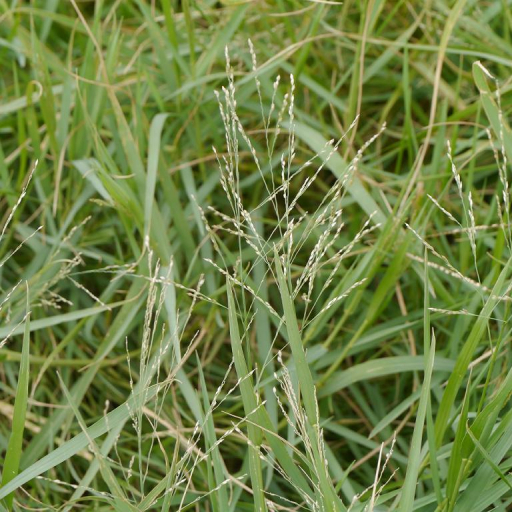
Plant Overview
Known as "Torpedo Grass," Panicum repens is a world-class traveler that earned its name from its sharp, pointed underground stems that pierce through soil like miniature torpedoes. While it can provide a lush green carpet, it is often whispered about by gardeners as the "uninvited guest" because once it settles into your soil, it is nearly impossible to convince it to leave.
🔍 How to Identify
- 🚀 The "Torpedo" Roots: The most distinct feature is the thick, white underground rhizomes. They have incredibly sharp, hardened tips designed to punch through tough clay, mulch, and even thin asphalt.
- 🍃 Stiff Foliage: The leaves are narrow and rigid, typically 2 to 10 inches long. They often have a waxy, bluish-green tint and a characteristic "fold" near the base.
- 🌾 Airy Seed Heads: It produces a loose, branching flower cluster (panicle) that looks like a delicate green mist rising above the blades during the warmer months.
🏡 In Your Garden
- 💧 Moisture Lover: This grass is a specialist in "wet feet" conditions. You will most likely find it hugging the edges of ponds, drainage ditches, or the low-lying, soggy spots in your lawn where other grasses struggle.
- 🧱 The Great Escape Artist: Because it spreads through an aggressive network of roots rather than just seeds, traditional weeding rarely works. Pulling the top off usually leaves the "torpedo" behind, which quickly regenerates into a new plant.
⚠️ Safety & Toxicity
- ✅ Safe Status: Panicum repens is generally considered non-toxic to humans, dogs, cats, and horses.
- 🌿 Skin Irritation: While not poisonous, the sharp tips of the rhizomes and the stiff edges of the grass blades can cause minor scratches or "grass cuts" if handled with bare hands.
- 🌎 Ecological Warning: In many tropical and subtropical regions, it is classified as a high-threat invasive species because it displaces native plants and can clog shallow waterways.
✨ Fun Fact
- Torpedo grass is so resilient that it can survive a fire. While the green blades on the surface might burn away, the "torpedo" rhizomes deep underground remain untouched and use the ash as fertilizer to grow back even faster.

Detailed Care Instructions
To grow Panicum repens, also known as 'Torpedo Grass,' follow these steps:
- Choose the right location: Panicum repens prefers full sun to partial shade. Ensure that the area receives at least 4-6 hours of direct sunlight each day.
- Soil preparation: Prepare the soil by removing any weeds or grasses. Loosen the soil with a garden fork or tiller and mix in organic matter such as compost or well-rotted manure to improve drainage and fertility.
- Planting: Panicum repens can be grown from seeds, plugs, or sod. If using seeds, sow them directly into the prepared soil or start them indoors 6-8 weeks before the last frost date. Plant the seeds about 1/4 to 1/2 inch deep and keep the soil consistently moist until they germinate. Transplant young seedlings or plugs into the prepared soil or lay down sod, ensuring that all roots are in contact with the soil.
- Watering: Panicum repens requires regular watering, especially during hot and dry periods, to establish a strong root system. Water deeply but infrequently, allowing the top 2-3 inches of soil to dry between waterings. Once established, it becomes more tolerant of drought conditions.
- Mulching: Apply a layer of organic mulch around the plants to help retain soil moisture, suppress weed growth, and regulate soil temperature.
- Fertilizing: Provide regular feeding with a balanced, slow-release fertilizer or apply a light organic fertilizer in spring and early summer to promote healthy growth. Follow the package instructions for application rates.
- Pruning and maintenance: Panicum repens does not require much pruning. However, you can trim any damaged or dead stems as needed. Regularly remove weeds or grasses from around the plants to avoid competition for nutrients and space.
- Pests and diseases: Panicum repens is generally resistant to pests and diseases. Keep an eye out for any signs of damage or infestation, and take appropriate action if necessary.
- Winter care: Panicum repens is a warm-season grass and may not withstand freezing temperatures. In colder regions, it is best to grow it as an annual or bring potted plants indoors before the first frost.
- Propagation: Panicum repens can spread vigorously through underground rhizomes. If you want to propagate more plants, you can divide the clumps in spring or fall, ensuring each new division has several healthy roots and shoots.
Remember to check the specific care requirements for Panicum repens in your region as they may vary slightly.

Place in a bright room that is sun drenched almost all day. Or directly in a south-facing window.

To water this particular plant, it is important to provide adequate amounts of water to avoid drying out of the soil. This can be achieved by ensuring that the soil around the plant is damp at all times. It is important to note that over-watering can lead to root rot, so it is important to strike a balance and avoid standing water around the plant's roots. Additionally, it is important to water the plant deeply and infrequently rather than frequent shallow watering, as this helps to encourage deeper root growth and increases the plant's drought tolerance. Adequate watering is vital during the plant's growing season and may be reduced during the dormant season to avoid excess moisture.
To fertilize this particular plant species, use a balanced fertilizer with equal amounts of nitrogen, phosphorus, and potassium. Apply the fertilizer in early spring and mid-summer. Water the plant before and after the application to help the fertilizer reach the root zone. Avoid over-fertilization, as it can lead to excessive growth and weaken the plant.
The ideal soil for this plant is well-draining and rich in nutrients. It should have a pH level between 5.8 and 7.5. A mixture of compost, peat moss, and sand is recommended for optimal growth. It is important to avoid soil that is heavy, compacted, or clay-like, as this can prevent proper root formation and lead to waterlogged conditions. The soil should be kept moist but not saturated. Regular fertilization with a balanced fertilizer is also recommended to support healthy growth.
To propagate this plant, one should first select a healthy and mature plant. Then, carefully cut a small section of the stem with a few leaves attached to it. This section should be approximately 3-4 inches in length.
Next, remove the leaves from the bottom of the stem, leaving only the top few leaves intact. This will help the plant focus its energy on developing roots rather than sustaining leaves.
Plant the stem cutting in a pot filled with well-draining soil or a combination of sand and peat moss. Water the cutting regularly, but ensure that the soil remains slightly damp rather than wet.
Ensure that the cutting is placed in a bright, shaded area. Direct sunlight can be harmful to the developing roots of the cutting.
After a few weeks, new roots should begin to emerge from the base of the stem. Once the roots have established, the plant can be transferred to a larger pot or planted directly in the ground outside.
It is important to continue to water the plant regularly until it is fully established in its new environment.








