Plant Overview
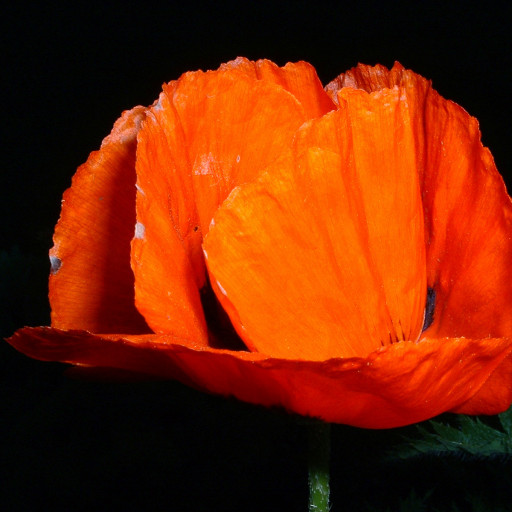
Often called the "Goliath of the Garden," the Oriental Poppy is famous for its massive, crepe-paper-like blooms that look as though they were painted with a heavy brush. Originating from the rugged mountain slopes of Turkey and Iran, these perennials are the showstoppers of the early summer border, known for their dramatic "black eye" and fleeting but unforgettable beauty.
🔍 How to Identify
- 🌸 The Bloom: Gigantic flowers—sometimes reaching 6 inches across—with delicate, satiny petals that often feature a dark, velvet-like blotch at the base of each petal.
- 🌿 Foliage: The leaves are deeply lobed, silver-green, and covered in fine, bristly hairs, giving them a coarse, thistle-like texture.
- 🏗️ The Stem: Sturdy, upright, and hairy stems that hold the heavy flower heads aloft and exude a sticky white latex (sap) if cut.
🏡 In Your Garden
- 💤 The Summer Nap: These plants have a unique "disappearing act." After flowering in early summer, the entire plant goes dormant and the foliage dies back completely. It isn't dead; it’s just sleeping to survive the summer heat, so be sure to plant "companion fillers" like Baby’s Breath or Salvia nearby to cover the gap.
- ⚓ The Taproot Trap: Oriental Poppies grow a long, carrot-like taproot. While this makes them incredibly drought-resistant once established, it also means they absolutely hate being moved. Choose their "forever home" carefully!
⚠️ Safety & Toxicity
- 🚫 Toxic to Ingest: Like many members of the poppy family, Papaver orientale contains alkaloids that are toxic to humans and animals if eaten in large quantities.
- 🐾 Pets & Kids: Keep an eye on curious dogs or toddlers. Ingestion can cause nausea, lethargy, or a slowed heart rate. The milky sap can also cause mild skin irritation or "contact dermatitis" for those with sensitive skin.
✨ Fun Fact
While they look like they belong in a fairy tale, the dark "eye" in the center is actually a dense ring of purple-black stamens surrounding a central seed pod. This pod dries into a beautiful "pepper-shaker" shape that is a favorite for dried floral arrangements!

Detailed Care Instructions
| Color | Orange, Red, Pink, Purple, White, Peach, Maroon, Salmon |
| Soil Ph | 6.5 To 7.0 |
| Humidity | Normal |
| Lighting | Full Sun |
| Soil Type | Fertile, Well-Drained, With Average Moisture |
| Bloom Time | Spring To Early Summer |
| Difficulty | Easy |
| Plant Type | Herbaceous Perennial Flower |
| Hibernation | Cold Period |
| Mature Size | 1 To 3 Feet Tall And 1 To 2 Feet Wide |
| Native Area | West Asia |
| Sun Exposure | Full Sun |
| Hardiness Zones | 3 To 9 |
To grow Papaver Orientale (Oriental poppy) plants, you can follow these steps:
- Choose a suitable location: Select a site that receives full sun to partial shade. The soil should be well-draining and loamy, but these plants can tolerate a range of soil types.
- Prepare the soil: Clear the area of any weeds or grass. Loosen the soil and amend it with organic matter, such as compost, to improve drainage, fertility, and overall soil health.
- Planting time: It is best to plant Oriental poppies in the spring or fall. In cooler regions, early spring planting is recommended, while in warmer areas, fall planting works well.
- Planting technique: Dig a hole that is slightly larger than the root ball of the plant. Place the Papaver Orientale into the hole, making sure the crown (where the stem meets the root) is level with or slightly above the soil surface. Backfill the hole and gently pat down the soil around the plant.
- Watering: Water the plant thoroughly after planting and keep the soil consistently moist but not waterlogged. During hot and dry periods, regular watering is important to maintain soil moisture.
- Mulching: Apply a layer of organic mulch, such as wood chips or straw, around the base of the plant to help conserve moisture, suppress weeds, and insulate the soil.
- Fertilizing: Oriental poppies generally do not require much fertilizer. However, you can apply a balanced granular fertilizer in early spring or after the plant finishes flowering. Follow the instructions on the fertilizer packaging for proper application rates.
- Maintenance: Remove any spent flowers to encourage further blooming. After the plant has finished flowering, allow the foliage to die back naturally. This period of rest is essential for the plant to store energy for the next season.
- Division: Every few years, Oriental poppies benefit from division to maintain vigor and prevent overcrowding. In early spring or fall, carefully dig up the plant, divide the clumps, and replant them in well-prepared soil.
- Pests and diseases: While Oriental poppies are generally relatively pest and disease-resistant, keep an eye out for aphids, slugs, and powdery mildew. Regular inspection and addressing any issues promptly can help keep your plants healthy.
By following these steps, you can successfully grow Papaver Orientale plants and enjoy their beautiful flowers in your garden.

Place in a bright room that is sun drenched almost all day. Or directly in a south-facing window.

To water this plant, first, you need to ensure that the soil surface has started to dry out before you proceed. When watering, use a watering can or hose to water the base of the plant until the soil is evenly moist. Avoid watering the foliage as this can cause diseases. Ensure that the soil is not waterlogged as this can lead to root rot. In hot weather, water the plant more frequently to prevent the soil from drying out completely. Allow the plant to drain excess water before returning it to its usual spot.
To fertilize this plant, it is recommended to use a balanced fertilizer with an N-P-K ratio of 10-10-10 or 12-12-12. Apply the fertilizer in the spring before the plant starts to bloom, and then again in the fall after the plant has finished blooming. Make sure not to over-fertilize, as this can lead to too much foliage growth and a decrease in flower production. Water the plant thoroughly after fertilizing to help the nutrients absorb into the soil and reach the roots.
Papaver Orientale requires a well-draining soil that is moderately fertile. This plant prefers a neutral to slightly alkaline soil pH and does not tolerate waterlogged or heavy soils. A mixture of sand, loam, and organic matter can create the ideal soil environment for Papaver Orientale to thrive. It is important to avoid using soils with high clay content, which can lead to poor drainage and stunt the growth of the plant. Additionally, adding a layer of mulch can help retain moisture and regulate soil temperature for optimal growth.
To propagate this plant, take a cutting from an established plant or divide an existing clump. Cuttings should be taken from new growth and should include a section of stem with at least two leaves. Remove the lower leaves and dip the cut end in rooting hormone. Plant the cutting in a container filled with moist, well-draining soil and place it in a bright area out of direct sunlight. Keep the soil consistently moist until the cutting takes root.
To divide an existing clump, carefully dig up the entire plant and separate the individual sections of the root system. Each section should have both roots and foliage. Replant each section in a pot or in the ground, leaving enough space between them for future growth. Water thoroughly after transplanting and keep the soil consistently moist until new growth appears.
Common pests of the oriental poppy include Aphids, larvae. Make a habit of checking your oriental poppy frequently for pests so that any infestations can be caught and managed early.








