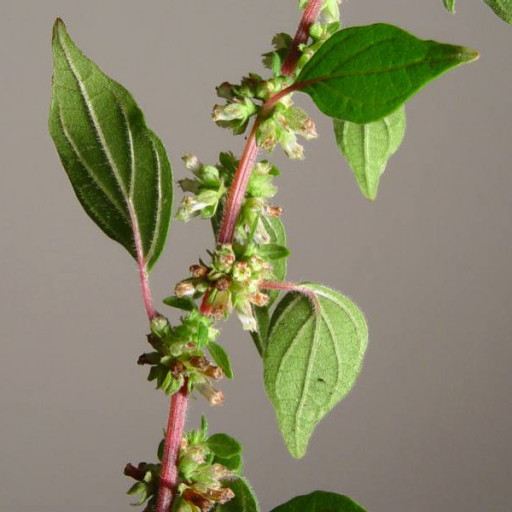
Plant Overview
Known as the "Pellitory-of-the-wall," this resilient perennial is a master of urban survival, often found sprouting from the mortar of ancient ruins or the cracks in garden walls. In some regions, it has earned the more ominous nickname "Asthma Weed" due to its potent, wind-borne pollen. Despite its humble, weedy appearance, it has a long history in European folklore as a medicinal herb and even a household cleaning tool.
🔍 How to Identify
- 🌿 The Foliage: Small, pointed, lance-shaped leaves that are a soft green color. They are covered in tiny, non-stinging hooked hairs that make the leaves "stick" to clothing like Velcro.
- 🎨 The Stems: The stems are often reddish or pinkish-brown and slightly translucent. They are brittle and tend to sprawl or lean against surfaces rather than standing perfectly upright.
- 🌸 The Flowers: You might miss them entirely! The flowers are tiny, greenish-white clusters tucked into the leaf axils (where the leaf meets the stem), lacking any showy petals.
🏡 In Your Garden
- 🧱 Urban Specialist: This plant thrives in high-calcium environments, which is why it loves old brick walls, limestone cliffs, and rocky crevices. It requires very little soil and can squeeze its roots into the tiniest of gaps.
- 💧 Toughness: It is incredibly drought-tolerant once established. While many gardeners consider it a stubborn weed, its ability to green up a barren stone wall is a testament to its "pioneer" nature in the plant world.
⚠️ Safety & Toxicity
- 🤧 High Allergen: This plant is a major trigger for hay fever and "Parietaria-induced" asthma. If you are prone to seasonal allergies, it is best to remove it from your immediate living space before it flowers.
- 🐾 Pet & Skin Safety: It is generally non-toxic to pets and humans. However, the hooked hairs can occasionally cause mild skin irritation (contact dermatitis) for those with very sensitive skin if handled frequently.
✨ Fun Fact
- 🧼 The Living Bottle-Brush: In the past, Parietaria judaica was gathered and used to clean the insides of glass bottles and flasks. The tiny hooked hairs on the leaves acted as a natural abrasive, scrubbing away stains that brushes couldn't reach!

Detailed Care Instructions
| Lighting | Shade |
| Toxicity | Poisonous |
| Hardiness Zones | Max 5 |
To grow Parietaria Judaica, also known as Pellitory-of-the-wall, follow these steps:
- Choose the right location: Parietaria Judaica prefers full sun to partial shade and can tolerate various soil types but thrives in well-draining soil.
- Prepare the soil: Ensure the soil is loose and well-drained. If the soil is heavy or clay-like, amend it with organic matter, such as compost, to improve drainage.
- Sow the seeds: Parietaria Judaica can be grown from seed or propagated by stem cuttings. If starting from seed, sow them in the desired location, either indoors or outdoors, in early spring after the last frost date. Sow the seeds in shallow trenches, covering them lightly with soil.
- Watering: Keep the soil consistently moist but not waterlogged. Water the plants regularly, especially during dry periods. Overwatering should be avoided as it may lead to root rot.
- Thinning: Once the seedlings are large enough to handle, thin them out to provide each plant with enough space to grow. Space the plants around 12-18 inches apart.
- Mulching: Apply a layer of organic mulch, such as straw or wood chips, around the base of the plants to suppress weeds, conserve moisture, and regulate soil temperature.
- Pruning: Parietaria Judaica can be pruned to control its size and shape. Prune the plants in early spring to remove any damaged or dead growth and promote healthy growth.
- Maintenance: Regularly check for pests, such as aphids or spider mites, and promptly treat any infestations. Additionally, remove any weeds that may compete with the plant for nutrients and water.
- Harvesting: Parietaria Judaica is primarily grown for its medicinal properties. Harvest the leaves and young stems when the plant is in full growth, typically during spring and summer. Dry the harvested parts in a well-ventilated area out of direct sunlight, and store them in airtight containers.
By following these steps, you should be able to successfully grow Parietaria Judaica in your garden or outdoor space.

Place in a bright room that is sun drenched almost all day. Or directly in a south-facing window.

The best way to water this particular plant is to ensure that the soil remains moist but not waterlogged. This can be achieved by watering it thoroughly once per week, allowing the water to penetrate through the soil to the plant's roots. It is important to avoid overwatering, as this can lead to root rot and other diseases. Additionally, it is recommended to water the plant early in the day to allow any excess moisture to evaporate before nighttime, which can also help prevent disease. Finally, the plant should be watered regularly throughout the growing season, although frequency may need to be adjusted based on environmental conditions such as temperature, humidity, and rainfall.
To effectively fertilize this plant, use a balanced, all-purpose fertilizer with equal parts nitrogen, phosphorus, and potassium. Apply the fertilizer once a month during the growing season, starting in early spring and ending in late summer. Water the soil thoroughly before and after fertilizing to prevent root burn. Be sure to follow the manufacturer's instructions for application rates and frequency.
The Parietaria Judaica plant prefers a soil that is well-draining yet moisture-retentive. The soil should be rich in organic matter and have a slightly acidic to neutral pH level. Heavy clay soils should be avoided, as they can lead to poor drainage and root rot. Additionally, the plant may benefit from occasional fertilization with a balanced, slow-release fertilizer to promote healthy growth.
Propagation of this plant can be achieved through cutting and division methods. To propagate by cutting, select a healthy stem and cut it below a node at an angle. Remove the lower leaves and dip the cut end in rooting hormone powder. Plant the cutting in a pot filled with well-draining soil and keep it moist. Place the pot in a bright, indirect light location. After a few weeks, the cutting will develop roots, and the new plant can be transplanted to a larger pot or garden bed.
To propagate by division, carefully dig up an established plant and divide it into smaller sections, each with a root system. Replant the sections in a well-draining soil and keep them moist. Place the new plants in a bright, indirect light location. After a few weeks, the new plants will establish themselves and can be transplanted to a larger pot or garden bed.








