Plant Overview
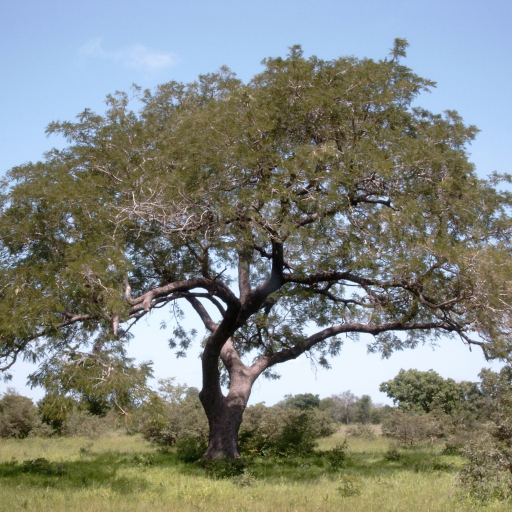
Known as the "African Locust Bean" or "Néré," Parkia biglobosa is a majestic sentinel of the West African savannah. This multipurpose tree is often called a "miracle tree" because every part—from its bark to its seeds—serves a vital role in local medicine and cuisine. Its sprawling, umbrella-shaped canopy provides a cooling sanctuary for both people and livestock during the intense heat of the dry season.
🔍 How to Identify
- 🔴 The "Drumstick" Flowers: Its most striking feature is the pendulous, bright red inflorescence that hangs from long stalks. These bulbous clusters look like fuzzy golf balls or drumsticks swinging in the wind.
- 🌿 Fern-like Foliage: The leaves are bipinnate and delicate, resembling oversized ferns. This dense green foliage creates a wide, cooling shade that can span up to 15 meters in diameter.
- 🫘 Sword-shaped Pods: After flowering, the tree produces large, drooping brown pods that can reach nearly a foot in length. Inside, you’ll find a sweet, yellow powdery pulp surrounding hard, dark seeds.
🏡 Growth & Ecology
- ☀️ Savannah Survivor: This tree is built for the heat. It has a deep taproot system that allows it to access underground water during droughts, making it incredibly resilient in sandy or stony soils where other plants might wither.
- 🤝 The Soil Builder: Like many members of the legume family, it lives in a beautiful partnership with soil bacteria to "fix" nitrogen. This means it actually improves the quality of the soil around it, acting as a natural fertilizer for nearby crops.
- 🦇 A Nighttime Feast: While many plants rely on bees, the African Locust Bean is primarily pollinated by bats. Its nectar-rich flowers open at night, inviting these winged visitors to help propagate the next generation.
⚠️ Safety & Toxicity
- 🟢 Generally Safe: The pulp and fermented seeds are staple food sources for millions. However, the raw, unfermented seeds are extremely hard and difficult to digest.
- 🐾 Pet Caution: While there is no widespread record of acute toxicity to cats or dogs, the heavy pods falling from a height could be a physical hazard, and the raw seeds may pose a choking or digestive blockage risk for curious pets.
✨ Fun Fact
The fermented seeds of this tree, known as dawadawa or iru, are often called the "African Maggi." They have a pungent, chocolatey-cheese aroma and provide a massive boost of protein and umami to traditional soups and stews!

Detailed Care Instructions
To grow a Parkia Biglobosa plant, also known as the African locust bean or African mesquite, you can follow the steps below:
- Obtain seeds: Purchase Parkia Biglobosa seeds from a reputable nursery or seed supplier. Alternatively, if you have access to mature pods from an existing tree, you can extract the seeds.
- Prepare the seeds: Soak the seeds in water for a day or two to soften the hard coating and improve germination rates. Change the water daily.
- Germination: After soaking, plant the seeds in well-draining soil. Create a small hole about 2 inches deep and place one seed in each hole. Gently cover the seeds with soil and lightly press down.
- Watering: Water the seeds regularly, keeping the soil moist but not overly saturated. Ensure adequate drainage to avoid waterlogging.
- Sunlight: Parkia Biglobosa plants require full sun exposure for optimal growth. Choose a location where they will receive at least 6-8 hours of direct sunlight daily.
- Transplanting: Once the seedlings have grown to a size where they have multiple leaves and are around 6-8 inches tall, you can transplant them to their permanent location. Ensure the new location has well-draining soil and enough space for the tree to grow.
- Care and maintenance: Regularly water the plant during the dry season, especially in the first few years. Apply organic fertilizer to the soil yearly to provide essential nutrients. Trim any dead or damaged branches to promote healthier growth.
- Pruning: Prune the tree to maintain its shape, remove diseased or infested branches, and improve air circulation. This should be done during the dormant period, typically in late winter or early spring.
- Harvesting: Depending on the region, the Parkia Biglobosa tree can start producing pods after about 3-5 years. Harvest the mature pods when they turn yellow or beige and are slightly dried out. Open the pods to extract the seeds for future planting or to utilize the seeds or pulp for culinary purposes.
It's important to note that Parkia Biglobosa trees are native to West Africa and thrive in tropical and sub-tropical climates. They are relatively sturdy trees, but local climate conditions should be taken into consideration when attempting to grow them.

Place in a bright room that is sun drenched almost all day. Or directly in a south-facing window.

To properly water this plant, first carefully examine the soil to determine if it is dry or moist. If the soil is dry, it's time to water the plant. Use room temperature or lukewarm water, avoiding extreme temperatures that may harm the plant's roots. Water the plant at the base, avoiding getting water on the leaves. Be sure to water the entire root system, which may require tilting the pot to reach all areas. You should also avoid over-watering the plant as this could cause root rot. Allow the water to drain out of the pot's drainage holes before placing it back in its desired location. Watering frequency may differ depending on the plant's environment and growth stage, but it's best to monitor the soil's moisture level regularly.
To fertilize this plant, you can use a general-purpose fertilizer that contains balanced amounts of nitrogen, phosphorus, and potassium. Apply the fertilizer evenly around the base of the plant, being careful not to touch the leaves or stem, and water thoroughly. The frequency of fertilization will depend on the type of fertilizer used, but typically once every two to three months during the growing season should suffice. Always follow the manufacturer's instructions when applying fertilizer.
Parkia Biglobosa plant requires a well-draining and nutrient-rich soil medium to thrive. The ideal soil type should be loamy or sandy with good moisture retention capacity and a pH level between 5.5 and 7.0. It is recommended to mix the soil with organic matter such as compost or well-rotted manure to improve soil structure, fertility, and water-holding capacity. The plant prefers a sunny to partially shaded location and requires regular watering to keep the soil moist but not waterlogged. It is important to avoid using soil that is contaminated with pesticides or harmful chemicals that may affect the health and growth of the plant.
Propagation of this plant can be done by collecting the seeds from mature fruits and removing their outer coating. The seeds can then be soaked in water for 24 hours to soften the hard outer coat. After soaking, the seeds can be planted in well-draining soil at a depth of 2-3 inches. The soil should be kept moist but not waterlogged.
Alternatively, stem cuttings can be taken from mature plants. The cuttings should be taken from healthy stems with at least three nodes. The lower leaves should be removed and the stem should be dipped in rooting hormone before being planted in well-draining soil. The soil should be kept moist and the cutting should be kept in a shaded area until it develops roots.
Both methods of propagation require patience and careful attention to watering and light conditions. With proper care, young plants will begin to grow and eventually produce fruit of their own.








