Plant Overview
Known as a majestic giant of the Amazon rainforest, Parkia velutina earns its name from the soft, velvety texture that coats its distinctive seed pods. Often called "Fava-de-bolota" in its native Brazil, this tree is a structural masterpiece of nature, characterized by its sprawling canopy and strange, pendulous flowers. While it is too large for most traditional home gardens, it remains a legendary species for tropical plant collectors and those fascinated by the complex ecosystems of South America.
🔍 How to Identify
- 🔴 The "Bat-Ball" Flowers: The most striking feature is the inflorescence—large, reddish or yellowish globes that hang from the branches on long, rope-like stalks (peduncles), resembling swinging pendulums.
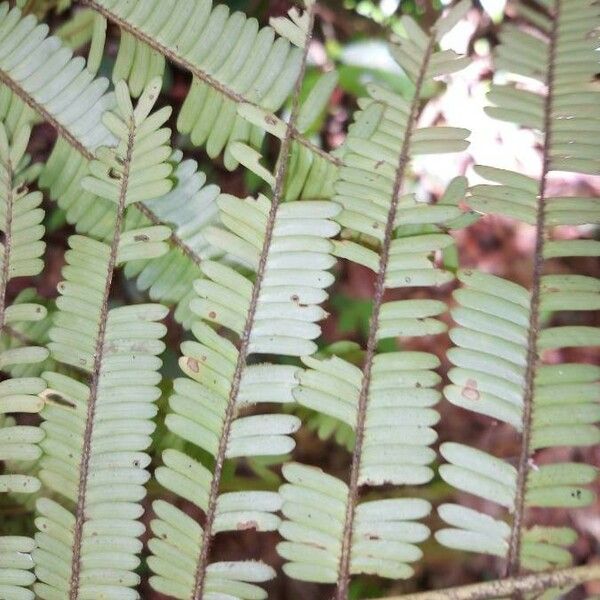
- 🌿 Fern-like Foliage: The leaves are large and bipinnate, meaning they are divided into many tiny, delicate leaflets that give the massive tree a surprisingly soft, feathery appearance.
- 🫘 Velvety Seed Pods: True to its name (velutina), the woody seed pods are covered in a dense layer of fine, brownish hairs that feel like velvet to the touch.
🏡 In Your Garden & Ecology
- 🦇 A Nighttime Buffet: In the wild, this tree is a specialist. Its flowers hang low and open at night to provide easy access for its primary pollinators—bats—which are attracted to the nectar held within the "ball" shapes.
- 💧 Rainforest Requirements: Because it originates in the Amazon basin, it requires a tropical environment with high humidity and consistent moisture. It is a nitrogen-fixing tree, meaning it actually helps improve the soil quality around it by "inhaling" nitrogen and depositing it into the earth.
- 🌳 Space Giant: This is not a plant for a pot! Parkia velutina can grow into a massive canopy tree, making it better suited for botanical gardens, large estates, or reforestation projects in tropical climates.
⚠️ Safety & Toxicity
- 🟢 General Safety: Parkia velutina is generally considered non-toxic to humans and animals upon touch.
- 🚫 Seed Caution: While some species in the Parkia genus (like the "Stink Bean") are edible after specific preparation, the seeds of P. velutina are not commonly consumed and should not be ingested. Always keep fallen pods away from curious pets or small children to avoid choking hazards or digestive upset.
✨ Fun Fact
The flowers of this tree have a very specific "landing platform" design. The top of the flower ball is sterile and provides a sturdy grip for bats to hold onto while they dip their heads into the bottom section to drink nectar!

Detailed Care Instructions








