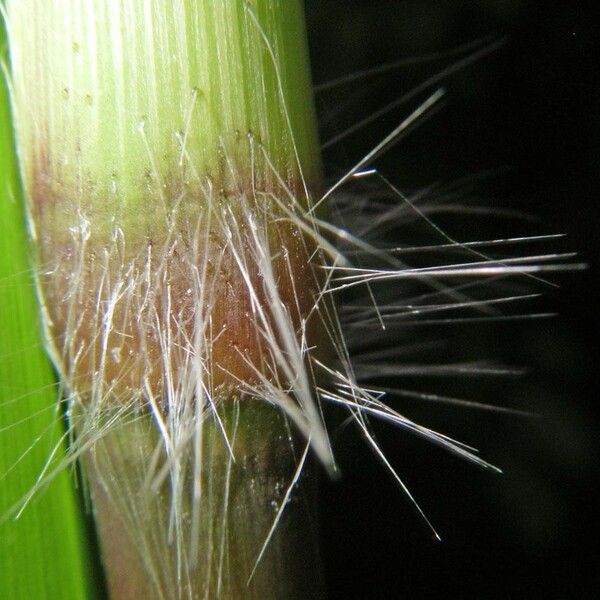
Plant Overview
Often called "Bullgrass" or "Venezuelan Grass," Paspalum fasciculatum is a powerhouse of the tropical wetlands. Known for its incredible height and vigorous spreading habit, it acts as a lush, emerald architect for riverbanks and marshes across Central and South America. While it is a vital forage crop for livestock, in a garden setting, it is a bold statement piece that demands plenty of room to roam.
🔍 How to Identify
- 🌿 Towering Stature: This is no ordinary lawn grass; it is a robust perennial that can easily reach heights of 6 to 9 feet, forming dense, swaying thickets.
- 🍃 Broad Blades: The leaves are long, wide, and taper to a point, often feeling slightly rough or "sandpapery" if you run your finger along the edges.
- 🌾 Fasciculated Spikes: The name comes from its flowering top, which features several finger-like spikes (racemes) clustered together, resembling a spread-out fan or a bird's foot.
🏡 In Your Garden
- 💧 The Wetland Specialist: This plant thrives where others fail—specifically in heavy clay soils and areas prone to seasonal flooding. It loves having "wet feet" and is perfect for stabilizing muddy pond edges.
- 🧱 Natural Erosion Control: Because it spreads via thick underground runners (rhizomes) and creeping surface stems, it creates a living mat that holds soil firmly in place against wind and water.
- ✂️ Space Management: In a home landscape, it needs boundaries. Without a physical root barrier, its "pioneer spirit" may lead it to colonize your entire yard, especially in humid, rainy climates.
⚠️ Safety & Toxicity
- ✅ Non-Toxic Status: Paspalum fasciculatum is generally considered safe and is widely used as high-quality forage for cattle and horses.
- 🐾 Physical Irritation: While not chemically toxic, the leaves have microscopic serrations. If a curious pet or child brushes against them too quickly, the "saw-tooth" edge can cause mild skin redness or "grass cuts."
✨ Fun Fact
- 🌊 The River Cleaner: Scientists often use this grass in "bioremediation" projects because its massive root system is incredibly efficient at filtering pollutants and excess nutrients out of runoff water before it reaches our rivers!

Detailed Care Instructions
To grow Paspalum Fasciculatum, also known as fascicled paspalum or sleeperweed, you can follow these steps:
- Climate and Soil: Paspalum Fasciculatum thrives in warm climates and is commonly found in tropical or subtropical regions. Make sure the area where you intend to grow it has a temperature range of 50-95°F (10-35°C). The soil should be well-draining and fertile.
- Propagation: The most common method of propagating Paspalum Fasciculatum is through seeds. Collect mature seeds from the plant or purchase them from a reputable source.
- Seed Preparation: Scarify the seeds by gently rubbing them with sandpaper or using a small file to break down the seed coat. Soak the scarified seeds in water for 24 hours to enhance germination.
- Planting: Choose a sunny spot in your garden or a suitable container if you prefer to grow it indoors. Prepare the soil by removing any weeds or rocks and loosening it. Sow the scarified seeds at a depth of about ¼ inch (0.6 cm) in the soil.
- Watering: Keep the soil consistently moist but not waterlogged. Water deeply once or twice a week, depending on the weather conditions and soil drainage. Avoid overwatering as it can lead to root rot.
- Fertilization: Apply a balanced fertilizer before planting and then again every three to four months during the growing season. Use a slow-release or granular fertilizer according to the manufacturer's instructions.
- Maintenance: Paspalum Fasciculatum requires regular care, including periodic mowing to promote healthy growth. Keep the plant well-irrigated and control any weed competition by manually removing them. Prune any dead or damaged leaves and stems.
- Pest and Disease Control: Monitor your plant for any signs of pests such as aphids, mealybugs, or grasshoppers. Use appropriate insecticides or pesticides as necessary to control infestations. Additionally, keep an eye out for diseases like root rot or leaf spot and address them promptly with suitable treatments.
- Harvesting: Depending on your purpose for growing Paspalum Fasciculatum, you can harvest the plant for its seeds or use it as forage. Seeds can be collected once they have fully matured and turned brown. For forage, cut the grass when it is about 6-8 inches (15-20 cm) tall and dry it out for feeding livestock.
Remember to check with your local agricultural extension office or horticulturist for specific recommendations tailored to your region.
Paspalum fasciculatum is a type of plant that requires proper watering to thrive and stay healthy. Here are the guidelines to water it effectively:
- Evaluate the soil: Before watering, check the soil moisture level. Insert your finger into the soil up to one inch to determine its dryness or moisture. Paspalum fasciculatum prefers slightly moist soil but not waterlogged conditions.
- Watering frequency: Water the plant deeply but infrequently. This means that rather than using small amounts of water daily, water the plant thoroughly once a week or when the soil starts to dry out. This promotes healthy root growth and prevents overwatering.
- Watering method: Use a watering can, garden hose with a gentle spray nozzle, or a drip irrigation system to water the plant. Water gently and evenly around the plant's base to avoid splash on the foliage.
- Watering time: Optimal watering time is early morning or late evening when temperatures are cooler. This allows for better absorption and less evaporation, ensuring the plant gets sufficient moisture.
- Adjusting to climate conditions: Depending on the climate, you may need to adapt the watering frequency. During hot and dry periods, your Paspalum fasciculatum may require more water, while during cooler and wetter seasons, you can reduce the watering frequency accordingly.
- Monitor plant's response: Pay attention to the plant's response to the watering routine. If the leaves look droopy or wilted, it may indicate the need for more water. On the other hand, yellowing or limp leaves could be a sign of overwatering. Adjust the watering accordingly to maintain a balanced moisture level.
Remember, Paspalum fasciculatum is a drought-tolerant plant and can withstand periods of moderate water scarcity. By following these watering guidelines and observing the plant's reactions, you can provide the appropriate amount of water to nurture its growth and overall health.
To fertilize Paspalum Fasciculatum plant, follow these instructions:
- Determine the age of the plant. Generally, young plants require less fertilizer than mature ones.
- Choose a balanced and slow-release fertilizer with a ratio such as 10-10-10 or 14-14-14.
- Apply the fertilizer during the plant's active growing season, which is typically in spring and summer. Avoid fertilizing in winter when the plant goes dormant.
- Dilute the fertilizer according to package instructions or use a quarter to half-strength solution if using a liquid fertilizer.
- Water the soil before fertilizing to ensure the nutrients are absorbed effectively.
- Apply the diluted fertilizer evenly around the base of the plant, avoiding direct contact with the leaves or stems.
- Gently work the fertilizer into the top layer of soil and water again to aid in absorption.
- Adjust the fertilization frequency based on the plant's needs, following the instructions on the fertilizer package. Avoid over-fertilizing as it can burn the roots and harm the plant.
- Monitor the plant's growth and overall health. If leaves appear yellowish or growth is stunted, it may indicate a nutrient deficiency. In such cases, you may need to adjust the fertilizer application or consult a professional for advice.
Remember, providing adequate sunlight, regular watering, and proper soil conditions are equally crucial for the health and growth of Paspalum Fasciculatum plant, in addition to fertilization.
Paspalum fasciculatum is a type of plant that thrives in a particular type of soil to ensure optimum growth and health. When selecting the appropriate soil for this plant, it is crucial to consider its specific requirements. Here are some details to help you understand the ideal soil composition for Paspalum fasciculatum without referencing its common names:
- Texture: Paspalum fasciculatum prefers a soil with a well-draining texture. It should have a balanced structure that retains enough moisture for the plant's roots to access, yet prevents excessive waterlogging. This allows for proper aeration and prevents the risk of root rot.
- pH Level: The soil pH range suitable for Paspalum fasciculatum generally falls between slightly acidic to neutral. A pH level between 6.0 to 7.0 is considered ideal for this plant. Maintaining the correct pH level enables better nutrient absorption and supports healthy growth.
- Organic Matter: Paspalum fasciculatum benefits from a soil rich in organic matter. Incorporating organic material, such as compost or well-aged manure, helps improve the soil's structure, water-holding capacity, and nutrient content. It also promotes beneficial microbial activity in the root zone.
- Nutrient Levels: The soil should have adequate nutrient levels to support the plant's growth. Essential macronutrients such as nitrogen (N), phosphorus (P), and potassium (K) are important for Paspalum fasciculatum. Additionally, micro-nutrients like iron, magnesium, and manganese are necessary for healthy foliage development.
- Salinity: Paspalum fasciculatum can tolerate some salt content in the soil. However, excessive salinity can harm the plant. It is advisable to choose soil with moderate to low levels of salinity to ensure the best growth and vigor.
When planting Paspalum fasciculatum, it is essential to ensure that the soil meets these requirements. This helps create an ideal environment for the plant's roots to absorb nutrients, access sufficient moisture, and establish a strong foundation for healthy growth.
Paspalum fasciculatum is a perennial grass species that can be propagated through various methods. Here's a detailed guide on how to propagate Paspalum fasciculatum:
- Propagation through seeds: Collect mature seeds from the plant. The seeds are usually enclosed within spikelets. Allow the spikelets to mature and turn brown before harvesting them. Once harvested, remove the seeds from the spikelets. Clean the seeds to remove any debris. Soak the seeds in warm water for about 24 hours to break their dormancy. After soaking, sow the seeds in a pot or directly in the garden soil. Make sure to keep the soil moist until the seeds germinate, which can take up to three weeks.
- Propagation through rhizomes: Paspalum fasciculatum spreads through underground rhizomes. To propagate using this method, dig up a healthy rhizome from an established plant. Cut the rhizome into smaller sections, ensuring that each section has at least one healthy bud or shoot. Plant these sections in well-draining soil at the same depth as they were previously growing. Water the soil regularly to keep it evenly moist, but avoid overwatering. New shoots should emerge from the rhizome sections within a few weeks.
- Propagation through division: Another way to propagate Paspalum fasciculatum is by dividing an existing plant. For this method, dig up an established plant during its dormant period, typically in early spring or late fall. Gently separate the plant into smaller clumps, making sure each clump has its own set of roots and shoots. Replant the divided clumps in suitable soil, making sure to space them adequately to allow for growth. Water the plants regularly and provide them with enough sunlight for proper development.
- Propagation through stem cuttings: Take stem cuttings from a healthy Paspalum fasciculatum plant during its active growth phase, usually in late spring or early summer. Choose a stem that is not woody but still firm and healthy. Cut the stem section into lengths of about 4-6 inches, making sure each cutting has at least two nodes. Remove the lower leaves from the cutting, leaving a few at the tip. Plant the cuttings in a well-draining potting mix, burying the lower node and leaving the upper node exposed. Place the pot in a warm and bright location, but away from direct sunlight. Mist the cuttings regularly and keep the soil moist. After a few weeks, roots should develop, indicating successful propagation.
Remember to provide adequate care, including regular watering, fertilization, and protection from extreme weather conditions, to ensure the successful establishment and growth of your propagated Paspalum fasciculatum plants.








