Plant Overview
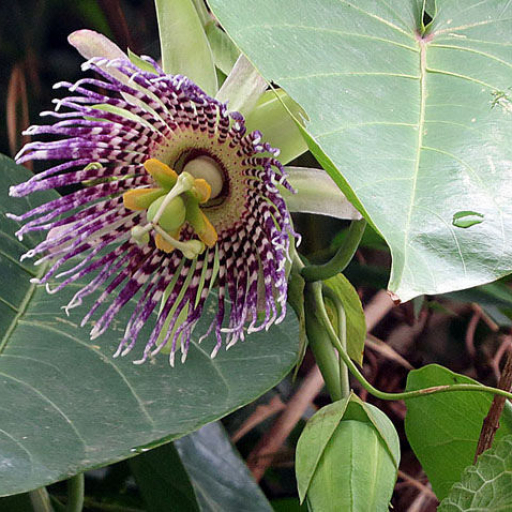
Known affectionately as the "Sweet Granadilla," Passiflora ligularis is widely considered the crown jewel of the passion fruit family. Native to the Andes Mountains, this vigorous climber produces what many believe to be the most delicious and aromatic fruit of all passionflowers. With its large, romantic heart-shaped leaves and intricate, otherworldly blooms, it is as much an ornamental masterpiece as it is a backyard orchard favorite.
🔍 How to Identify
- 🍃 Heart-Shaped Foliage: Unlike many other passion vines that have lobed or "fingered" leaves, the Sweet Granadilla has large, broad, heart-shaped leaves that create a dense, tropical green screen.
- 🌸 Ornate Blooms: The flowers are a stunning spectacle of greenish-white petals topped with a "corona" of filaments striped in bold purple and white.
- 🟠 Glossy Fruit: The fruit is egg-shaped with a hard, shiny orange shell that stays smooth even when ripe, containing a translucent, incredibly sweet pulp filled with black seeds.
🏡 In Your Garden
- 🧗 Support is Key: As a vigorous "tendril climber," this plant needs a sturdy trellis, fence, or pergola. It grows rapidly and can become quite heavy when loaded with fruit, so avoid flimsy plastic netting.
- 🌡️ The Goldilocks Zone: Because of its mountain heritage, it prefers "eternal spring" conditions. It thrives with sunny days and cool nights, but it lacks the frost tolerance of its cousins, so it must be protected or moved indoors if temperatures drop near freezing.
⚠️ Safety & Toxicity
- 🐾 Pet Caution: While the ripe fruit pulp is a delicious treat for humans, the leaves and stems of most Passiflora species contain cyanogenic glycosides, which can be toxic to cats, dogs, and horses if ingested in large quantities.
- 🍴 Edibility: The inner pulp and seeds are completely safe and highly prized for eating fresh. However, avoid consuming the hard outer rind or any unripe, green fruits, as they can cause stomach upset.
✨ Fun Fact
The name "Granadilla" translates to "little pomegranate" in Spanish, a name given by early explorers who thought the seed-filled interior of the fruit resembled the ancient Mediterranean pomegranate.

Detailed Care Instructions
| Humidity | High |
| Lighting | Shade |
| Difficulty | Easy |
| Hibernation | Cold Period |
| Temperature | 10°C - 16°C |
| Hardiness Zones | 10 - 12 |
To grow Passiflora ligularis, also known as Sweet Granadilla or Passionfruit, follow these steps:
- Choose the right location: Select a sunny spot in your garden with well-draining soil. Passiflora ligularis thrives in warm subtropical and tropical climates.
- Prepare the soil: Ensure the soil is rich and fertile by adding compost or well-rotted manure. This will provide the plant with the necessary nutrients for healthy growth.
- Propagation: Passiflora ligularis can be grown from seeds or cuttings. If using seeds, soak them in warm water for 24 hours to improve germination rates. Sow the seeds in seed-starting trays with well-draining soil, keeping them moist and warm until they germinate. If using cuttings, take 8-10 inch (20-25 cm) long stem cuttings and place them in a propagation mix until they root, keeping them warm and moist.
- Planting: Once the seedlings or cuttings have developed roots, transplant them into the prepared garden bed. Space the plants about 8-10 feet (2.5-3 meters) apart, as they will grow vigorously and need enough space to spread.
- Watering: Passiflora ligularis requires regular watering, especially during dry periods. Keep the soil evenly moist but avoid excessive waterlogging, as this can lead to root rot.
- Support: These vines require a sturdy support structure, such as a trellis or fence, to climb on. Install the support system before the plants start growing vigorously, as it can be difficult to add it later without disturbing the roots.
- Fertilization: Apply a balanced organic fertilizer every 4-6 weeks during the growing season to provide the necessary nutrients. Follow the manufacturer's instructions for the appropriate dosage.
- Pruning: Regular pruning is necessary for the Passionfruit vine to maintain its shape and promote healthy growth. Prune in late winter or early spring to remove any dead, damaged, or weak growth. Trim back excessive growth and train the vine onto the support structure.
- Pests and diseases: Watch out for common pests, including aphids, mealybugs, and mites. Treat any infestations promptly with appropriate insecticides or organic pest control methods. Passiflora ligularis can also be susceptible to fungal diseases, so ensure good airflow and avoid excessive watering.
- Harvesting: Passionfruit typically takes around 8-12 months to produce fruits, depending on the growing conditions and cultivar. The fruits are ready for harvest when they turn from green to yellow or purple and become slightly wrinkled. Gently twist or cut the fruit from the vine when fully ripe.
By following these tips, you can successfully grow and enjoy your own Passiflora ligularis plant.

Place in a bright room that is sun drenched almost all day. Or directly in a south-facing window.

Passiflora Ligularis is a type of plant that requires regular watering to thrive. The amount of water it needs depends on a few factors, including the size of the plant, the humidity in the air, and the type of soil it is grown in.
To water Passiflora Ligularis, you should start by checking the top layer of soil to determine if it is dry to the touch. If the soil feels dry, it's time to water the plant. You should pour water onto the soil slowly and evenly, making sure to saturate the root zone.
It's important to avoid letting the plant sit in standing water, so after watering, you should wait for the excess water to drain out of the bottom of the pot or container. If you notice that the soil is very dry and the plant seems to be struggling, you may need to increase the frequency of watering.
You should also pay attention to the surrounding environment. If the air is particularly dry, you may need to water the plant more frequently to prevent the soil from drying out too quickly. Additionally, if the plant is grown in a porous, fast-draining soil, it may also require more frequent watering than a plant grown in a denser, slower-draining soil.
Overall, Passiflora Ligularis is a relatively easy plant to care for, and as long as you keep a close eye on its water needs, it should thrive in your home or garden.
To fertilize the Passiflora Ligularis plant, use a balanced fertilizer with equal amounts of nitrogen, phosphorus, and potassium. Apply the fertilizer once a month during the growing season, from spring to summer. Dilute the fertilizer to half strength and apply it to the soil around the plant, taking care to avoid the leaves. Water the plant thoroughly after fertilizing. Slow-release fertilizers can also be used according to the manufacturer's instructions. Over-fertilization can lead to excessive growth and reduced fruit production.
When selecting soil for Passiflora Ligularis, it is important to consider the plant's natural habitat and growing conditions. The soil must be well-drained and fertile, with good moisture retention capacity. It is recommended to use a mixture of loam, sand, and compost to create the perfect growing medium for the Passiflora Ligularis plant. Additionally, it is important to ensure that the soil pH is slightly acidic, with a range of 6.0-6.5, to support the plant's growth and development. It is also essential to ensure that the soil is free of any heavy metals or chemicals that could negatively impact the health of the plant. Overall, providing the right soil conditions is crucial for the successful growth and cultivation of the Passiflora Ligularis plant.
Propagation of the plant through stem cuttings is an effective method. The stems should be cut from a healthy and mature plant and then allowed to dry for a few hours. The cuttings should be treated with rooting hormone and planted in a well-draining, nutrient-rich soil mix. The soil should be kept moist but not waterlogged and placed in a warm, humid environment with bright but indirect sunlight. The plant should begin to root within a few weeks, at which point it can be transplanted into a larger container or planted in the ground.
Common pests of the sweet granadilla include Spider mites, aphids, thrips, larvae. Make a habit of checking your sweet granadilla frequently for pests so that any infestations can be caught and managed early.








