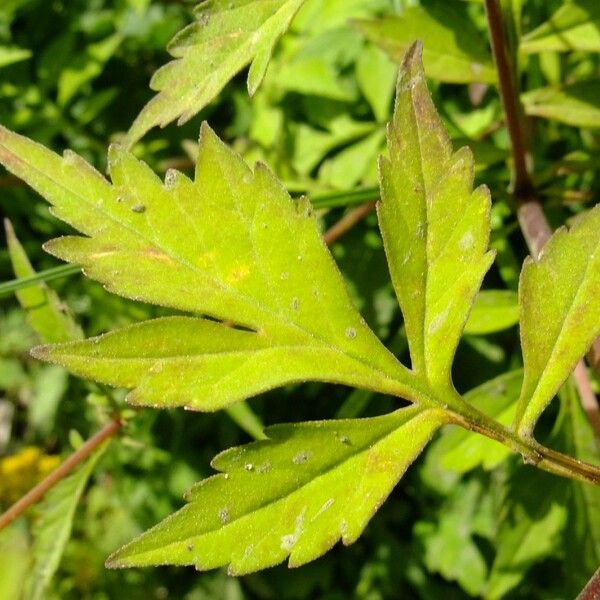
Plant Overview
Known as the "Rough-leaved Patrinia," this hardy East Asian perennial is like a burst of captured sunshine for your garden. Often found gracing the meadows of China and Mongolia, it has gained popularity among hobbyists for its airy, cloud-like clusters of golden flowers. It is a "see-through" plant, meaning it adds height and color without blocking the view of the plants behind it, making it a favorite for layered cottage gardens.
🔍 How to Identify
- 🌼 Golden Clusters: It produces wide, flat-topped clusters (corymbs) packed with tiny, five-petaled yellow flowers that appear in late summer.
- 🍃 Dynamic Foliage: The name heterophylla refers to its "different leaves"; the leaves at the base are often broad and oval, while the leaves further up the stem are deeply lobed and textured.
- 📏 Sturdy Stature: It features upright, slightly hairy stems that can reach up to 3 feet tall, yet they remain remarkably strong and rarely require staking.
🏡 In Your Garden
- 🦋 Pollinator Magnet: This plant is an absolute powerhouse for biodiversity. It is particularly attractive to beneficial insects like hoverflies and tiny parasitic wasps that help control garden pests naturally.
- 🌱 Low Maintenance: Unlike many tall perennials, Patrinia is not a "diva." It thrives in average, well-drained soil and is quite drought-tolerant once its root system is established.
- 🌬️ Airy Aesthetics: Because of its thin stems and delicate flowers, it sways beautifully in the wind, adding a sense of movement and "wildness" to structured landscapes.
⚠️ Safety & Toxicity
- ✅ Safe Status: Patrinia heterophylla is generally considered non-toxic to humans, dogs, and cats.
- 👃 The Scent Factor: While not toxic, some gardeners find that the flowers (and especially the dried roots) have a distinct, musky, or "stinky" odor. If you have a sensitive nose, you might prefer to plant it toward the back of the border rather than right next to a patio.
✨ Fun Fact
In traditional herbal practices in its native regions, parts of the Patrinia plant have been used for centuries, but modern gardeners love it for its "Golden Lace" effect, which mimics the look of a yellow version of the popular Ammi majus or Queen Anne's Lace.

Detailed Care Instructions
Growing Patrinia heterophylla (also known as Patrinia scabiosifolia var. heterophylla) can be a rewarding endeavor, as this plant is known for its attractive yellow flowers and ease of care. Here are the steps you can follow to successfully grow Patrinia heterophylla:
Site Selection:
- Sunlight: Choose a location that receives full sun to partial shade. Patrinia heterophylla thrives in full sun but can tolerate some light shade.
- Soil: The plant prefers well-drained soil. It can adapt to various soil types, including sandy, loamy, and clay soils, as long as they are not waterlogged.
Planting:
- Seeds or Seedlings: You can start Patrinia heterophylla from seeds or purchase young seedlings from a nursery.
- Seeds: If starting from seeds, sow them in early spring. Scatter the seeds on the surface of the soil and lightly press them in. Keep the soil consistently moist until germination.
- Seedlings: If planting seedlings, dig a hole about twice the size of the root ball, place the plant in the hole, and backfill with soil. Water thoroughly to settle the soil around the roots.
Watering:
- Seeds: If starting from seeds, sow them in early spring. Scatter the seeds on the surface of the soil and lightly press them in. Keep the soil consistently moist until germination.
- Consistent Moisture: Keep the soil consistently moist, especially during the establishment period. Once established, the plant is relatively drought-tolerant but will perform best with consistent moisture.
- Avoid Overwatering: Ensure the soil is well-drained to prevent root rot from overwatering.
Maintenance:
- Mulching: Apply a layer of mulch around the base of the plant to help retain soil moisture and suppress weeds. Keep the mulch a few inches away from the stem to prevent rot.
- Fertilization: Patrinia heterophylla generally does not require heavy fertilization. However, you can apply a balanced, all-purpose fertilizer in spring to promote growth.
- Pruning: Deadhead spent flowers to encourage continuous blooming and prevent self-seeding if not desired. Cut back the plants in late fall or early spring to tidy them up and prepare for new growth.
Pest and Disease Management:
- Monitor for Pests: Patrinia heterophylla is typically resistant to pests and diseases. However, keep an eye out for common garden pests and treat them accordingly.
- Disease Control: Ensure good air circulation around the plants to prevent fungal diseases. Avoid overhead watering to reduce the risk of foliar diseases.
Propagation:
- Division: You can propagate Patrinia heterophylla by division in early spring or fall. Carefully dig up the plant, divide the root mass, and replant the divisions.
Additional Tips:
- Companion Planting: Patrinia heterophylla can be an excellent addition to a mixed border or wildflower garden. It pairs well with other sun-loving perennials.
By providing the right conditions and care, you can enjoy the beautiful blooms and easy maintenance of Patrinia heterophylla in your garden.
Watering Patrinia heterophylla requires some thought to ensure the plant remains healthy and thrives. Here are detailed steps to guide you:
- Frequency:
- Establishment Period: When newly planted, water the plant thoroughly and keep the soil consistently moist. This initial period generally spans the first few weeks or until you see evident new growth indicating root establishment.
- Mature Plants: Once established, the watering frequency can be reduced. Typically, a deep watering once a week is sufficient, depending on your local climate and soil conditions.
- Establishment Period: When newly planted, water the plant thoroughly and keep the soil consistently moist. This initial period generally spans the first few weeks or until you see evident new growth indicating root establishment.
- Soil Moisture:
- These plants prefer well-draining soil. While they appreciate moist soil, it should never remain waterlogged to avoid root rot.
- You can check soil moisture by inserting your finger about 2 inches deep into the soil. If it feels dry at this depth, it’s time to water.
- These plants prefer well-draining soil. While they appreciate moist soil, it should never remain waterlogged to avoid root rot.
- Watering Technique:
- Deep Watering: Water deeply to ensure moisture reaches the root zone. This encourages the roots to grow deeper into the soil, promoting a more resilient plant.
- Avoid Overhead Watering: It's best to water at the base of the plant to minimize wetting the foliage, which can help reduce the risk of fungal diseases.
- Deep Watering: Water deeply to ensure moisture reaches the root zone. This encourages the roots to grow deeper into the soil, promoting a more resilient plant.
- Time of Day:
- Early morning is the best time to water. This gives the plant time to absorb moisture before the heat of the day and reduces evaporation losses.
- Avoid evening watering, as the plant's foliage staying wet overnight can increase the likelihood of disease.
- Early morning is the best time to water. This gives the plant time to absorb moisture before the heat of the day and reduces evaporation losses.
- Seasonal Adjustments:
- Spring and Summer: During active growth periods, the plant will require more frequent watering.
- Fall and Winter: Reduce watering as the plant’s growth slows and it enters dormancy. Make sure the soil remains slightly moist but never soggy.
- Spring and Summer: During active growth periods, the plant will require more frequent watering.
- Mulching:
- Apply a layer of organic mulch (such as shredded bark or compost) around the base of the plant. Mulch helps to retain soil moisture, suppress weeds, and regulate soil temperature.
- Apply a layer of organic mulch (such as shredded bark or compost) around the base of the plant. Mulch helps to retain soil moisture, suppress weeds, and regulate soil temperature.
- Container Plants:
- If you’re growing it in a container, check soil moisture regularly, as containers can dry out more quickly than garden beds.
- Ensure the pot has drainage holes to prevent water from accumulating at the bottom.
By following these detailed watering guidelines, you can help ensure that your Patrinia heterophylla remains healthy and vibrant.
- If you’re growing it in a container, check soil moisture regularly, as containers can dry out more quickly than garden beds.
To properly fertilize Patrinia heterophylla, follow these guidelines:
- Frequency: Fertilize once a month during the growing season, which is typically spring through early fall.
- Type of Fertilizer: Use a balanced, water-soluble fertilizer with an equal ratio of nitrogen (N), phosphorus (P), and potassium (K), such as a 10-10-10 or 20-20-20 formulation.
- Dilution: Dilute the fertilizer to half the recommended strength to prevent over-fertilization, which can lead to nutrient burn or other plant issues.
- Application Method: Water the soil thoroughly before applying the fertilizer to avoid root burn. Mix the diluted fertilizer with water and apply it evenly around the base of the plant. Make sure the fertilizer does not come into direct contact with the leaves or stems.
- Organic Alternatives: If you prefer organic options, consider using compost, well-rotted manure, or organic plant food. These should be applied in the early spring and can provide a slow-release source of nutrients throughout the growing season.
- Soil Testing: Conduct a soil test to determine any specific nutrient deficiencies or imbalances. Adjust your fertilization approach based on the results to provide the necessary nutrients more precisely.
- Monitoring: Keep an eye on the plant’s growth and appearance. Yellowing leaves, stunted growth, or poor flowering can indicate nutrient deficiencies, while overly lush foliage with few flowers can signal over-fertilization.
By following these instructions, you can ensure that your Patrinia heterophylla receives the nutrients it needs for healthy growth and vibrant blooming.
Patrinia heterophylla thrives best in well-draining soil that is moderately fertile. Here are the specific soil requirements for this plant:
- Soil Type: Loamy, sandy, or even clay soils are suitable as long as they are well-drained. Amending heavy clay soils with organic matter can improve drainage.
- pH Level: The plant prefers slightly acidic to neutral soil, typically in the range of 6.0 to 7.5 pH.
- Organic Matter: Incorporating compost or well-rotted manure can provide necessary nutrients and improve soil texture.
- Moisture: The soil should be kept consistently moist, especially during the growing season. However, it should not be waterlogged, as this can cause root rot.
- Mulching: Applying a layer of mulch helps maintain soil moisture, regulate temperature, and suppress weeds. Organic mulches like shredded bark, straw, or compost are ideal.
By providing these soil conditions, you can promote healthy growth and enhance the flowering of Patrinia heterophylla.
Propagating Patrinia heterophylla can be accomplished through both seed and vegetative methods, primarily by division. Here are detailed steps for each technique:
Propagation by Seed:
- Seed Collection: Collect seeds from mature plants in late summer to early autumn once the seed heads turn brown and dry. Gently shake or rub the seed heads to release the seeds.
- Seed Preparation: Clean the seeds to remove any debris. For better germination, you might consider stratifying the seeds by placing them in damp sand or paper towels in a plastic bag and storing them in the refrigerator for 4-6 weeks.
- Sowing Seeds:
- Choose a seed-starting tray or small pots filled with a well-draining, soil-less seed-starting mix.
- Sow the seeds on the surface of the mix and lightly press them down, as they need light to germinate.
- Mist the seeds lightly with water and cover the tray or pots with a clear plastic lid or a plastic wrap to maintain humidity.
- Choose a seed-starting tray or small pots filled with a well-draining, soil-less seed-starting mix.
- Germination:
- Place the tray in a bright, indirect sunlight location or under grow lights. Maintain a temperature of 65-75°F (18-24°C).
- Keep the soil consistently moist but not waterlogged.
- Germination typically takes 2-3 weeks, but it can vary.
- Place the tray in a bright, indirect sunlight location or under grow lights. Maintain a temperature of 65-75°F (18-24°C).
- Transplanting:
- Once the seedlings have developed a couple of true leaves, they can be transplanted into individual pots.
- Gradually acclimate the seedlings to outdoor conditions before planting them in the garden in late spring or early summer.
Propagation by Division:
- Once the seedlings have developed a couple of true leaves, they can be transplanted into individual pots.
- Timing: The best time to divide the plant is in early spring or late autumn when the plant is dormant or just beginning to grow.
- Digging Up the Plant:
- Carefully dig around the plant with a garden fork or spade to lift the entire clump from the ground.
- Gently shake off excess soil to expose the roots.
- Carefully dig around the plant with a garden fork or spade to lift the entire clump from the ground.
- Dividing:
- Use a sharp, clean knife or your hands to divide the clump into smaller sections. Each section should have at least a few healthy shoots and a good portion of the root system.
- Make sure to handle the roots gently to avoid damage.
- Use a sharp, clean knife or your hands to divide the clump into smaller sections. Each section should have at least a few healthy shoots and a good portion of the root system.
- Replanting:
- Prepare the new planting locations by digging holes that are large enough to accommodate the root divisions.
- Plant each division at the same depth it was originally growing and fill in with soil, firming it gently around the roots.
- Water the divisions thoroughly after planting.
- Prepare the new planting locations by digging holes that are large enough to accommodate the root divisions.
- Aftercare:
- Keep the soil consistently moist but not waterlogged as the divisions establish.
- Mulch around the plants to retain moisture and suppress weeds.
By following these methods, you can successfully propagate Patrinia heterophylla and expand your garden collection or share the plant with others.
- Keep the soil consistently moist but not waterlogged as the divisions establish.








