Plant Overview
Meet the Three-leaved Patrinia, a delicate mountain dweller from the cool forests of East Asia. Known for its airy, cloud-like clusters of white blooms, it brings a sense of "wild elegance" to shaded garden corners. While its yellow-flowered cousin, Golden Lace, is more famous, this white variety is the refined, understated relative that provides a sophisticated "frothy" texture to summer landscapes.
🔍 How to Identify
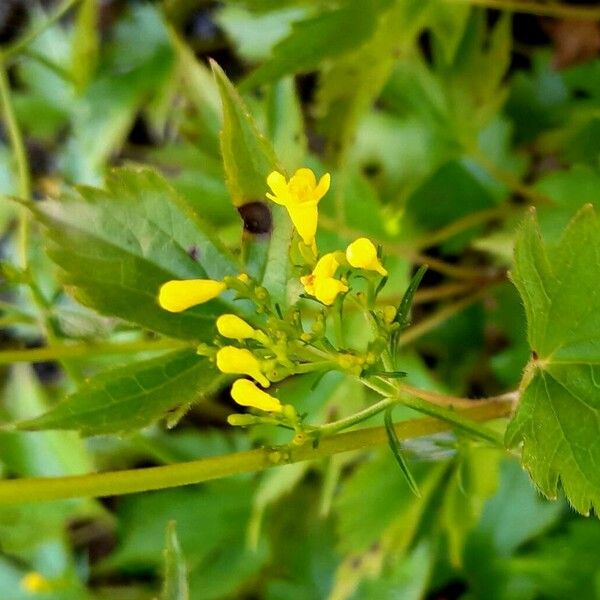
- 🍃 Trifoliate Foliage: The leaves are the primary giveaway, deeply divided into three distinct, sharply-toothed segments that give the plant a lush, fern-like appearance.
- ☁️ White Corymbs: In mid-to-late summer, it produces flat-topped clusters (corymbs) of tiny, star-shaped white flowers that look like a dusting of snow held aloft.
- 🌱 Slender Stems: The flower stalks are thin but surprisingly sturdy, often displaying a dark green or purplish tint that contrasts beautifully with the white blossoms.
🏡 In Your Garden
- 🌥️ The Shade Solution: While many flowering perennials demand full sun, Patrinia trifoliata is a woodland plant at heart. It thrives in dappled light or partial shade, making it perfect for underplanting beneath tall trees.
- 💧 Moisture Balance: It hates "wet feet" during the winter but prefers consistently moist, rich soil during the growing season. If the soil dries out completely, the delicate leaves may crisp at the edges.
- 🦋 Pollinator Banquet: The tiny, open flowers are an easy-access buffet for beneficial insects, particularly small native bees and hoverflies, which are vital for a healthy garden ecosystem.
⚠️ Safety & Toxicity
- ✅ Non-Toxic Status: This plant is generally considered safe and non-toxic for humans, dogs, and cats. It is a member of the Caprifoliaceae family, which includes many bird-friendly berries and garden-safe ornamentals.
- 👃 The "Scent" Factor: While not a safety hazard, gardeners should be aware that the roots and decaying flowers of Patrinia species have a very distinct, pungent odor—often compared to aged cheese or wet socks. It’s best to enjoy the flowers with your eyes rather than a deep sniff!
✨ Fun Fact
In traditional medicine across East Asia, the roots of various Patrinia species are harvested and dried. Despite their somewhat "stinky" reputation when handled, they have been used for centuries in herbal teas believed to reduce inflammation and promote calming effects.

Detailed Care Instructions








