Plant Overview
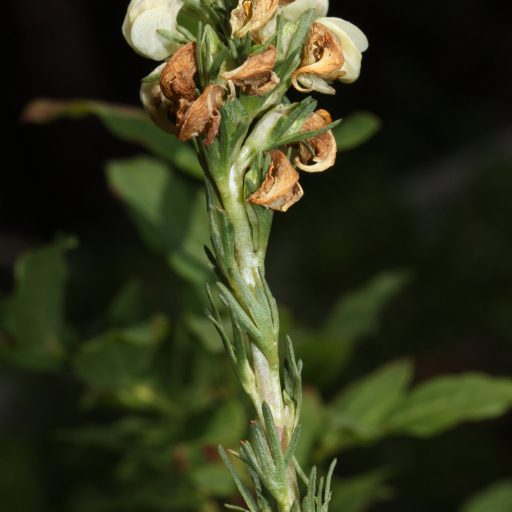
Often found gracing the high-elevation meadows of the Pacific Northwest and the Rockies, the Coiled Lousewort is a botanical enigma. Its name comes from the strangely twisted, beak-like flowers that look like they were frozen mid-pirouette. While it appears delicate, this alpine resident is a savvy survivor with a secret life happening beneath the soil.
🔍 How to Identify
- 🌀 The "Coiled" Beak: The most striking feature is the upper lip of the flower (the galea), which is long, slender, and curved strongly to the side or coiled back like a tiny, elegant trunk.
- 🌿 Fern-like Foliage: The leaves are deeply lobed and toothy, looking very much like small, intricate ferns. They are mostly concentrated at the base of the plant, giving it a tufted appearance.
- 🍦 Floral Spikes: The flowers are typically creamy white or pale yellow, clustered in a dense, upright spike that stands out against the rocky terrain of its mountain home.
🏡 In Your Garden
- 🧬 A Semi-Parasitic Lifestyle: The Coiled Lousewort is "hemiparasitic." While it has green leaves to produce its own energy, it also uses specialized roots to "steal" water and minerals from the roots of neighboring grasses or shrubs. This makes it very difficult to transplant or grow from seed in a traditional garden.
- 🏔️ Alpine Aspirations: This plant thrives in cool, moist, subalpine environments. It prefers "scree" or rocky slopes where the water from melting snow keeps the soil damp but never stagnant. If you see it in the wild, it’s a sign of a pristine, high-altitude ecosystem.
⚠️ Safety & Toxicity
- ✅ Non-Toxic: Pedicularis contorta is generally considered non-toxic to humans and common domestic pets.
- 🐝 Bumblebee Magnet: While safe for us, it is specially designed for bumblebees. The "coiled" shape of the flower is actually a mechanical lock; only a heavy, vibrating bee can trigger the flower to release its pollen.
✨ Fun Fact
The name "Lousewort" comes from an ancient and mistaken belief among farmers that sheep and cattle would become infested with lice if they grazed on these plants. In reality, the plants simply thrived in the same damp, poor pastures where livestock were already likely to pick up parasites!

Detailed Care Instructions
Growing Pedicularis contorta, commonly known as Coiled Lousewort, requires careful attention to its specific habitat needs since it is native to subalpine and alpine regions in western North America. Here are some steps and tips to help you successfully cultivate this plant:
Understanding the plant:
- Native Habitat: Pedicularis contorta is typically found in moist meadows, streambanks, and other high-altitude regions.
- Parasitic Nature: The plant is hemiparasitic, relying partially on the roots of other plants for nutrients.
Steps to Grow Pedicularis contorta:
1. Seed Collection or Purchase:
- Seed Source: Ensure you have seeds from a reputable source. Wild collection should be done responsibly, considering conservation guidelines.
2. Soil Preparation:
- Type: Use well-draining, slightly acidic soil rich in organic matter.
- Moisture: Soil needs to be kept consistently moist but not waterlogged.
3. Sowing Seeds:
- Stratification: Pedicularis seeds often require a period of cold stratification to break dormancy. Place seeds in a moist medium (e.g., sand or paper towel) in the refrigerator for about 2-3 months.
- Timing: Sow seeds in early spring or fall, ideally outdoors so they can experience natural temperature fluctuations.
4. Planting Location:
- Companion Plants: Because Pedicularis contorta is hemiparasitic, plant it near potential host plants like grasses or other herbaceous perennials.
- Sun Exposure: They prefer partial to full sun, depending on local conditions. In higher altitudes, full sun can be beneficial, while lower elevations may require partial shade.
5. Watering:
- Consistent Moisture: Keep the soil consistently moist, especially during the growing season. Avoid letting it dry out completely but also ensure proper drainage.
6. Maintenance:
- Weeding: Keep the area around the plant free from aggressive weeds that might compete for resources.
- Monitoring: Watch for signs of poor health or nutrient deficiencies, which may indicate the plant isn't establishing well with its host plants.
7. Overwintering:
- Hardiness: Pedicularis contorta is hardy to cold climates, reflecting its native alpine environment. Ensure mulch or sufficient leaf cover in particularly harsh winters.
Points to Remember:
- Seed Source: Ensure you have seeds from a reputable source. Wild collection should be done responsibly, considering conservation guidelines.
- Patience: Growing natives, especially hemiparasitic plants like Pedicularis, can be slow and require patience as they establish a relationship with host plants.
- Responsibility: Be mindful of not disturbing natural populations unduly if gathering seeds or plants from the wild.
By taking the time to simulate its natural habitat and ensuring its hemiparasitic needs are met, you can increase your chances of successfully growing Pedicularis contorta.

Place in a window with dappled sun or a spot in the middle of a room. Or directly in a window facing west or east.

Pedicularis contorta, a perennial herbaceous plant native to North America, requires specific watering techniques to thrive, especially if you are cultivating it in regions where its natural habitat is not replicated. Here is a detailed guide on watering this plant:
1. **Soil Moisture:** The plant prefers moist, well-draining soil. Ensure that the soil around the plant is consistently kept damp but not waterlogged. Over-watering can lead to root rot, while under-watering may cause the plant to wither and die.
2. **Watering Frequency:** It's crucial to establish a routine that maintains soil moisture. Water the plant thoroughly when the top inch of soil feels dry to the touch. During the active growing season, which is typically in spring and summer, you might need to water it more frequently compared to fall and winter when the plant's growth slows down.
3. **Watering Method:** Water the plant at the base, close to the soil, rather than overhead. This helps reduce the risk of fungal infections and ensures that the water reaches the root zone effectively. Using a watering can with a narrow spout or a drip irrigation system can be beneficial.
4. **Mulching:** Apply a layer of organic mulch around the base of the plant. Mulch helps retain soil moisture, regulates soil temperature, and reduces the frequency of watering. Ensure the mulch is not piled up against the stem of the plant, as this can cause rot.
5. **Rainfall:** In its natural habitat, this plant receives moisture both from precipitation and the moist environments in which it typically grows. If you are in an area with natural rainfall that meets the plant's moisture needs, you may need to adjust your watering schedule accordingly to avoid over-watering.
6. **Container Growing:** If grown in a pot, ensure there are adequate drainage holes to allow excess water to escape. Containers can dry out more quickly than garden soil, so monitor moisture levels closely, especially during hot and dry weather conditions.
7. **Seasonal Adjustments:** Adjust your watering habits based on seasonal changes. During periods of heavy rain, reduce supplemental watering, and in dry, hot conditions, increase the frequency.
By following these guidelines, you can ensure that your Pedicularis contorta plant receives the proper amount of water for healthy growth while avoiding common issues associated with improper watering.
Pedicularis contorta is a unique and fascinating plant with specific fertilizing needs. Here are the instructions:
- Soil Preparation: Ensure the soil is well-draining and maintains moderate moisture levels. A mix of peat moss, sand, and loamy soil is ideal to mimic the plant's natural habitat.
- Type of Fertilizer: Use a balanced, slow-release granular fertilizer with an N-P-K ratio of approximately 10-10-10. Organic options such as compost or worm castings can also provide the necessary nutrients over time.
- Application Timing: Fertilize early in the growing season, typically in late spring, when the plant begins to show new growth.
- Application Method: Evenly distribute the fertilizer around the base of the plant, avoiding direct contact with the stems and leaves. If using a liquid fertilizer, dilute it according to the manufacturer's instructions and apply it carefully around the root zone.
- Frequency: Since this plant is relatively low-maintenance in terms of fertilization, one or two applications per growing season should suffice. Over-fertilizing can harm the plant, so it's better to under-fertilize than to overdo it.
- Watering After Fertilization: Water the soil thoroughly after applying the fertilizer to help it incorporate into the root zone and reduce the risk of root burn.
Following these guidelines will help ensure that your Pedicularis contorta thrives in its environment.
Pedicularis contorta, a flowering plant in the broomrape family, thrives best in well-drained, moist, and nutrient-rich soils. To cultivate this plant successfully, you should consider the following soil characteristics:
- Soil Texture: The plant benefits from a mixture of loamy and sandy soil, which ensures good drainage while retaining enough moisture. This balance helps prevent waterlogged conditions that could harm the roots.
- Soil pH: A slightly acidic to neutral soil pH, ranging from 6.0 to 7.0, is ideal. Soil with too high or too low pH values may inhibit nutrient availability for the plant.
- Organic Matter: Incorporating organic matter such as compost or well-rotted manure can enhance soil fertility and structure. Organic matter improves nutrient content and soil aeration, fostering healthy root development.
- Moisture: Consistent moisture levels are crucial, but the soil must not remain waterlogged. Mulching can help maintain soil moisture and regulate temperature, providing a suitable environment for the plant.
- Partners: As a semi-parasitic plant, it forms associations with the roots of neighboring plants for nutrient acquisition. Including host plants such as grasses or legumes in the vicinity can benefit its growth.
To prepare the soil, mix in organic matter thoroughly and ensure a good balance in texture. Regularly check moisture levels, and adjust watering practices to maintain consistent but not excessive moisture. If you are growing this plant in a garden setting, consider its preference for the company of suitable host plants to facilitate its nutrient uptake and overall health.
Propagating Pedicularis contorta can be a challenging but rewarding process due to its parasitic nature. It typically grows in subalpine and alpine environments, often associated with specific host plants. Here's a detailed guide on how to go about propagating this plant:
Requirements:
- Seeds: Collect seeds from mature plants. Pay attention to ethical guidelines as some species may be protected.
- Host Plants: This species is hemiparasitic, which means it often requires a host plant for successful growth. Suitable host plants typically include grasses and other herbaceous plants common in their native habitat.
Steps for Propagation:
- Seed Collection:
- Collect seeds in late summer when the seed pods have matured and started to dry out. The seeds should be dark and hard.
- Store the seeds in a cool, dry place until you are ready to sow them.
- Collect seeds in late summer when the seed pods have matured and started to dry out. The seeds should be dark and hard.
- Preparation:
- Create a mix of well-draining soil and organic matter. Because the seeds will need to establish connections with host plants, prepare an area that includes potential host species.
- Choose a site that mimics the plant's natural environment, offering partial shade to full sun, and well-drained but moist soil conditions.
- Create a mix of well-draining soil and organic matter. Because the seeds will need to establish connections with host plants, prepare an area that includes potential host species.
- Sowing Seeds:
- In early spring or late autumn, scatter the seeds on the soil surface. Do not bury the seeds deeply; they should just be lightly covered or pressed into the soil.
- Ensure that some viable host plants are already growing in the area or will be sown simultaneously.
- In early spring or late autumn, scatter the seeds on the soil surface. Do not bury the seeds deeply; they should just be lightly covered or pressed into the soil.
- Maintaining Moisture:
- Water the area gently to keep the soil consistently moist but not waterlogged. This is crucial during the germination period.
- Consider using a fine mist to prevent washing away the seeds.
- Water the area gently to keep the soil consistently moist but not waterlogged. This is crucial during the germination period.
- Growth and Development:
- As seedlings emerge, make sure they are maintaining contact with host plants. This interaction is vital for the successful establishment of the plant.
- Monitor for early signs of parasitic connections, such as haustoria (small structures that connect to the host plants).
- Weeding may be necessary to reduce competition, but be careful not to disturb the host-parasite relationship.
- As seedlings emerge, make sure they are maintaining contact with host plants. This interaction is vital for the successful establishment of the plant.
- Maintenance:
- Continue to provide a suitable growing environment with adequate moisture and host plants. These plants often thrive in less nutrient-dense soils due to their parasitic nature.
- Avoid using fertilizers that may disrupt the soil’s natural balance or negatively affect the relationship with host plants.
Overwintering:
- Continue to provide a suitable growing environment with adequate moisture and host plants. These plants often thrive in less nutrient-dense soils due to their parasitic nature.
- If you are in a region with harsh winters, mulch the area lightly to protect seedlings. However, do not use heavy mulch that can suffocate the young plants or hinder their connection to host plants.
Pest and Disease Control:
- Typically, these plants are not prone to many pests and diseases, but keep an eye out for common issues like mold or rot, especially in overly wet conditions.
Ethical Considerations:
- Ensure you are following local guidelines and regulations regarding the collection and cultivation of native species. Some regions may have specific rules to protect natural habitats and biodiversity.
By mimicking the plant's natural conditions and providing appropriate host plants, you increase the chances of successful propagation. The intricate relationship between Pedicularis contorta and its host plants makes this a fascinating species to work with in naturalistic garden settings or restoration projects.








