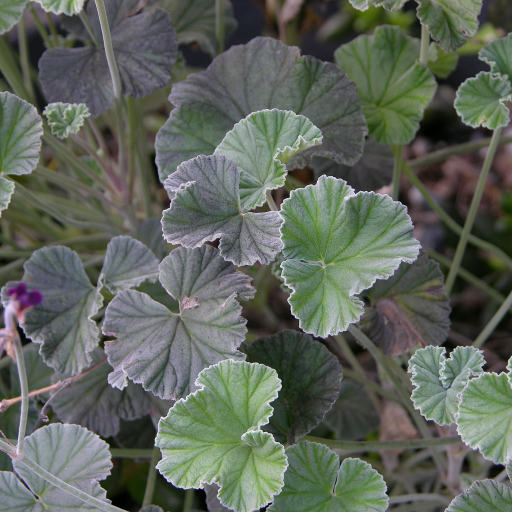
Plant Overview
Often called the African Geranium or Umckaloabo, this hardy perennial is a superstar in the world of traditional herbal medicine. Native to the rugged, sun-drenched slopes of South Africa, it stands out with its dramatic, ink-dark flowers that appear almost black against its foliage. It is a resilient survivor, prized by gardeners for its velvety texture and by apothecaries for its potent roots.
🔍 How to Identify
- 🍃 The Foliage: Distinctive heart-shaped (cordate) leaves that are soft to the touch with a velvety, silver-green finish and slightly ruffled edges.
- 🌸 The Blooms: Narrow, delicate petals colored in a striking deep maroon to midnight purple, held high above the leaves on thin, wiry stems.
- 🌱 Growth Habit: A low-growing, clump-forming plant that stays close to the ground, usually reaching no more than 12 inches in height.
🏡 In Your Garden
- ☀️ Sun & Drainage: This plant is a "mountain dweller" at heart; it thrives in full sun and requires exceptionally gritty, well-draining soil to prevent its thick, medicinal roots from rotting.
- 💧 Drought Tolerance: Once established, it is remarkably water-wise. It prefers to dry out completely between waterings, making it an ideal candidate for rock gardens or xeriscaping.
⚠️ Safety & Toxicity
- 🐾 Pet Safety: Like most Pelargonium species, it contains geraniol and linalool. These essential oils can cause lethargy, vomiting, or skin irritation in cats and dogs if chewed or brushed against excessively.
- 🧑 Human Use: While widely used in over-the-counter cold remedies (like "Umcka"), the raw plant should not be consumed without professional guidance, as the concentration of active compounds can vary.
✨ Fun Fact
The name Umckaloabo originates from the Zulu language, combining the words for "heavy cough" and "chest pain," reflecting the plant's centuries-old history as a traditional African remedy for respiratory infections.

Detailed Care Instructions
To grow a Pelargonium Sidoides plant, also known as Umckaloabo or South African geranium, follow these steps:
- Purchase a healthy Pelargonium Sidoides plant or seeds from a reputable garden center or online retailer.
- Choose a suitable planting location with well-draining soil that receives at least 6-8 hours of sunlight each day.
- Prepare the soil by loosening it with a garden fork or tiller. Remove any weeds, rocks, or debris.
- Dig a hole that is slightly larger than the root ball of the plant or seedling. If planting from seeds, sow them at a depth of about 1/4 inch in the soil.
- Place the plant or seedling in the hole, ensuring that the crown (where the stem meets the roots) is level with the soil surface. Fill the hole with soil and gently firm it around the plant.
- Water the plant thoroughly after planting, and continue to water moderately, keeping the soil moist but not waterlogged.
- Apply a layer of organic mulch, such as wood chips or shredded bark, around the base of the plant to conserve moisture, suppress weeds, and regulate soil temperature.
- Pelargonium Sidoides thrives in temperatures between 60°F and 80°F (15°C to 27°C). If you live in a region with extreme temperatures, you may need to protect the plant during heatwaves or cold snaps.
- Fertilize the plant once a month during the growing season with a balanced, water-soluble fertilizer. Follow the manufacturer's instructions for application rates.
- Remove any dead or yellowing leaves, spent flowers, or leggy growth regularly to promote better airflow and prevent the spread of disease.
- Pelargonium Sidoides plants are susceptible to root rot, so avoid overwatering. Monitor the moisture levels regularly and adjust your watering schedule accordingly.
- Harvest the leaves and roots of the Pelargonium Sidoides plant when they are mature. The active compounds that provide medicinal benefits are most concentrated during the flowering period.
By following these tips, you should be able to successfully grow a Pelargonium Sidoides plant at home.

Place in a bright room that is sun drenched almost all day. Or directly in a south-facing window.

To water this particular plant, it is important to ensure that the soil is completely dry before watering again. Over-watering can lead to root rot and other issues. When watering, it is recommended to water deeply and slowly, allowing the water to soak into the soil. It is also important to avoid getting water on the leaves, as this can lead to fungal growth. This plant prefers well-draining soil and may need more frequent watering during hot and dry periods.
To fertilize this plant, use a balanced fertilizer with equal parts nitrogen, phosphorus, and potassium. Apply the fertilizer every two weeks during the growing season, which is generally from spring until late summer. Dilute the fertilizer to half strength and water the plant thoroughly before and after applying the fertilizer. Avoid over-fertilizing as it can cause damage to the plant.
Pelargonium Sidoides plant grows best in well-draining soil that is rich in organic matter. The soil should have a slightly acidic pH between 5.5 and 6.5. It is recommended to use a soil mixture that includes peat moss, perlite, and vermiculite, which will provide proper drainage and aeration for the roots.
Mixing in some sand or gravel can also help with drainage. Additionally, adding some fertilizer to the soil mixture can provide extra nutrients for the plant to thrive. When planting, make sure to leave some space between the plant and the edges of the container to allow for growth.
It is important to avoid using heavy soils that retain too much moisture, as this can lead to root rot. Similarly, soils that are too alkaline can cause nutrient deficiencies and inhibit the plant's ability to absorb water and nutrients. Overall, using a soil mixture that is well-draining and nutrient-rich will ensure that the Pelargonium Sidoides plant grows healthy and strong.
Pelargonium Sidoides is a plant that can be propagated through stem cuttings. To begin, select a healthy stem from the parent plant that has several nodes and is several inches long. Cut the stem at a 45-degree angle just below a node using sterile pruning shears. Remove the leaves from the bottom half of the stem.
Prepare a pot of well-draining soil and make a hole in the center with a pencil or your finger. Dip the cut end of the stem into rooting hormone powder and gently tap off any excess. Insert the stem into the hole and press the soil around it.
Water the cutting thoroughly and cover it with a clear plastic bag to create a greenhouse effect that will keep the humidity high and prevent moisture loss. Place the pot in a warm, bright location but out of direct sunlight.
In a few weeks, roots should begin to form and a new plant will start to grow. Once the plant has established roots, remove the plastic bag and continue to care for the plant as you would any other Pelargonium Sidoides.
Common pests of the black pelargonium include Spider mites, fungus gnats, aphids, whiteflies. Make a habit of checking your black pelargonium frequently for pests so that any infestations can be caught and managed early.








