Plant Overview
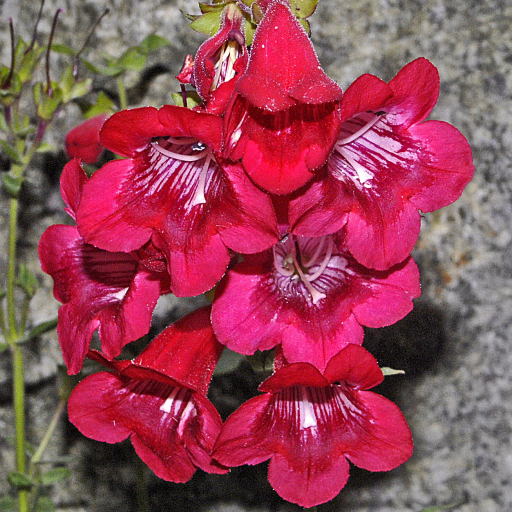
Known as Hartweg’s Beardtongue, this Mexican native is the flamboyant royalty of the Penstemon world. With its large, trumpet-shaped blooms that look like they belong in a tropical paradise, it’s a favorite for gardeners looking to add vertical drama and vibrant color. It’s often used as the parent for many modern hybrids because of its showy, open-faced flowers that seem to "pout" toward the sun.
🔍 How to Identify
- 🔔 The Flowers: Large, drooping bells that are usually scarlet, purple, or bi-colored with white throats. Unlike some smaller Penstemons, these are notably "fat" and trumpet-like.
- 🍃 The Foliage: Bright green, lance-shaped leaves that grow in pairs along the stem. They have a slightly waxy texture that helps the plant retain moisture.
- 📏 Growth Habit: It typically forms a neat, upright clump, sending up multiple flower spikes that can reach up to 2.5 feet in height.
🏡 In Your Garden
- 💧 The Drainage Dilemma: While it loves a drink, this plant hates "wet feet." Most failures with Penstemon hartwegii happen in winter because the soil is too heavy and waterlogged. Plant it in gritty or sandy soil to keep its roots happy.
- 🐝 The Pollinator Party: It is a literal magnet for hummingbirds and long-tongued bees. The wide "landing pad" of the flower is perfectly designed for these visitors to crawl inside and reach the nectar.
- ⏳ Short-Lived Beauty: Keep in mind that this is a short-lived perennial. It puts so much energy into blooming that it may tire out after 3–4 years. It’s a good idea to take cuttings or let it self-seed to keep the legacy going.
⚠️ Safety & Toxicity
- ✅ Pet & Child Friendly: Great news for families! Penstemon hartwegii is generally considered non-toxic to dogs, cats, and humans.
- 🧤 Skin Sensitivity: While not poisonous, the stems can sometimes be slightly irritating to those with very sensitive skin if handled roughly during pruning.
✨ Fun Fact
The name "Beardtongue" comes from the unique fifth stamen (the staminode) found inside the flower. In many species, this stamen is covered in tiny, fine hairs, making it look exactly like a fuzzy little tongue sticking out of the flower's mouth!

Detailed Care Instructions
To grow Penstemon Hartwegii plants, you can follow these steps:
- Choose a suitable location: Penstemon Hartwegii plants prefer full sun or light shade. Make sure the planting area has well-draining soil, as they do not like standing water.
- Prepare the soil: Before planting, loosen the soil and remove any weeds or rocks. Add compost or well-rotted organic matter to improve the soil's fertility and drainage.
- Planting: Dig a hole slightly larger than the root ball of the plant. Place the plant in the hole, ensuring it is at the same depth as it was in its nursery pot. Gently backfill the hole with soil and pat it down to remove air pockets. Water thoroughly after planting.
- Watering: Water Penstemon Hartwegii plants deeply, but avoid overwatering. Allow the top inch of soil to dry out before watering again. During hot and dry periods, increase the frequency of watering.
- Mulching: Apply a layer of organic mulch around the plants to help retain moisture, suppress weeds, and regulate soil temperature.
- Pruning: Penstemon plants benefit from a light pruning after flowering to promote bushier growth. Cut back the spent flower stalks and any leggy or damaged growth. This will also encourage the plant to produce more blooms.
- Fertilizing: Feed Penstemon Hartwegii plants with a balanced, slow-release fertilizer in early spring when new growth emerges. Follow the package instructions for the recommended dosage.
- Protection: Provide some protection during winter in areas with harsh freezes. Apply a layer of mulch over the base of the plants to insulate the roots.
- Division: Every few years, Penstemon Hartwegii plants can be divided to maintain their vigorous growth. Dig up the clumps in early spring, carefully dividing them into smaller sections, ensuring each division has a healthy set of roots. Replant the divisions in their new location at the same depth as before.
By following these steps, you can successfully grow Penstemon Hartwegii plants and enjoy their vibrant blooms in your garden.

Place in a bright room that is sun drenched almost all day. Or directly in a south-facing window.

The Penstemon Hartwegii plant should be watered regularly, but not excessively. It prefers to be watered deeply once a week, rather than receiving light, frequent watering. The soil should be allowed to dry slightly between waterings to prevent root rot. It is important to avoid getting water on the foliage and flowers, as this can cause damage and disease. Watering in the morning or evening when temperatures are cooler will also help prevent moisture loss through evaporation.
To fertilize this plant, apply a balanced, slow-release fertilizer in early spring before new growth emerges. Avoid using high-nitrogen fertilizers as they can encourage excessive foliage growth at the expense of flowers. Follow the recommended application rates on the fertilizer package and water thoroughly after application to ensure the fertilizer is absorbed by the roots. Once the plant starts blooming, you can switch to a low-nitrogen fertilizer to promote healthy flower production. Remember to always follow label instructions and avoid over-fertilization, as it can harm the plant.
Penstemon Hartwegii plants prefer a well-draining soil that is rich in minerals and organic matter. The soil should be loamy and slightly acidic, with a pH between 6.0 and 7.5. It is best to avoid soils that are too dense or heavy, as this can lead to poor drainage and root rot.
When planting, it is recommended to mix in some compost or other organic matter to provide the plant with additional nutrients. It is also important to ensure that the soil is moist but not waterlogged, as this can also lead to root rot and other problems.
Overall, the best soil for Penstemon Hartwegii plants is a well-draining, nutrient-rich, slightly acidic loam that is kept moist but not waterlogged.
To propagate this plant, first choose a healthy mature plant with strong stems and multiple nodes. Using a sharp, sterilized pruning shears, take a cutting just below a node, making sure to take a stem that is about 4-6 inches long. Remove any leaves from the bottom half of the stem.
Prepare a small pot with well-draining soil and make a small hole in the center with your finger. Dip the bottom of the stem into rooting hormone, tap off excess, and carefully insert the stem into the hole in the soil. Press down gently around the stem to ensure it is secure and water the cutting thoroughly.
Place the pot in a warm, bright location but out of direct sunlight. Keep the soil moist but not waterlogged. In about 4-6 weeks, you should start to see new growth and roots forming. Once the new plant has established a strong root system, you can transplant it to a larger container or into the garden.








