Plant Overview
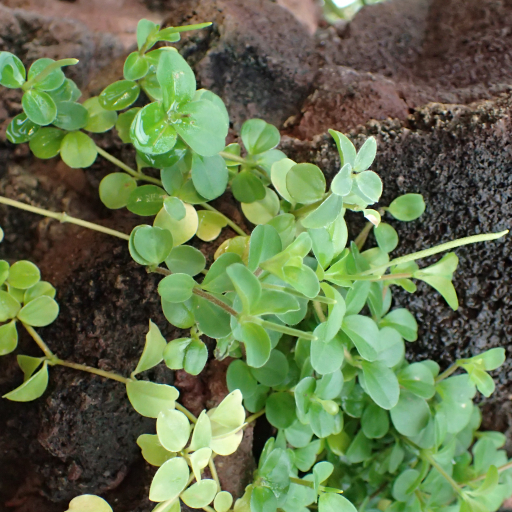
Often called the Shield Leaf Peperomia, this Brazilian beauty looks like a miniature piece of tropical armor. While it is a close relative of the famous Watermelon Peperomia, the Arifolia boasts a more pointed, heart-shaped silhouette that gives it a sophisticated, architectural vibe. It is the perfect desk companion for those who want the lush look of a tropical jungle in a compact, manageable package.
🔍 How to Identify
- 🛡️ Leaf Shape: Distinctly shield-shaped or heart-shaped (cordate) with a sharp pointed tip, which distinguishes it from the rounder leaves of its cousins.
- 🎨 Color Palette: Features a stunning contrast of deep emerald green veins radiating outward against a shimmering, silvery-mint surface.
- 🌿 Texture: The leaves are thick, waxy, and slightly "succulent" to the touch, held up by sturdy, reddish-tinted stems.
🏡 In Your Garden
- ☁️ Humidity & Air: Coming from the humid understory of South American forests, it adores a misty environment or a pebble tray. However, it requires good airflow to prevent stagnant moisture on its thick leaves.
- ☀️ Light Nuances: It is an expert at living in "dappled" light. Direct afternoon sun acts like a bleach, fading those beautiful silver patterns, so keep it in a spot with bright but filtered glow.
- 💧 Watering Logic: Because of its semi-succulent nature, it hates "wet feet." It is best to wait until the top half of the soil is dry before watering; the plant is much more likely to die from over-care than neglect.
⚠️ Safety & Toxicity
- 🐾 Pet Friendly: Great news for pet parents! The Peperomia Arifolia is officially classified as non-toxic to both cats and dogs.
- 👶 Child Safety: It is generally safe for humans as well, though it is always best to keep plants out of reach of curious toddlers to avoid any accidental choking or mild stomach upset from ingestion.
✨ Fun Fact
Peperomias are nicknamed "Radiator Plants." This quirky title was coined by the famous botanist Liberty Hyde Bailey because they thrive in the warm, rising air found near windows and radiators, making them the ultimate indoor-friendly species.

Detailed Care Instructions
| Humidity | Normal |
| Lighting | Part Sun |
| Difficulty | Medium |
| Hibernation | Cold Period |
| Temperature | 18°C - 25°C |
| Hardiness Zones | 10A - 12B |
To grow a Peperomia Arifolia plant, you can follow these steps:
- Choose a suitable location: Peperomia Arifolia prefers bright but indirect light. Place the plant near a window where it can receive bright, filtered sunlight for a few hours each day. Avoid placing it in direct sunlight as it can scorch the leaves.
- Use well-draining soil: Peperomia Arifolia prefers a well-draining potting mix. You can use a mixture of regular potting soil, perlite, and peat moss to create a well-draining soil mixture.
- Watering routine: Water the plant when the top inch of soil feels dry. It is important not to overwater or let the plant sit in standing water, as this can cause root rot. Allow excess water to drain out of the pot.
- Humidity: Peperomia Arifolia prefers high humidity. You can increase humidity by misting the leaves with water or placing a humidifier nearby. Alternatively, you can place the plant on a tray filled with water and pebbles, ensuring that the pot is not sitting in the water.
- Fertilization: Feed the plant with a balanced, water-soluble fertilizer once a month during the growing season (spring and summer). Dilute the fertilizer to half the recommended strength.
- Pruning: Peperomia Arifolia can benefit from occasional pruning to maintain its shape and encourage bushier growth. Trim back any leggy or overgrown stems to promote new growth.
- Repotting: As the plant grows, you may need to repot it into a slightly larger pot. Repotting is best done in spring. Be gentle when repotting to avoid damaging the roots.
- Propagation: Peperomia Arifolia can be propagated through stem cuttings. Take a 3-4 inch cutting from a healthy stem, remove the lower leaves, and place the cutting in water or a well-draining potting mix until roots develop. Once the roots are established, you can transplant the new plant into a pot with suitable soil.
Remember to keep an eye out for common houseplant pests such as mealybugs or spider mites. If you notice any infestation, treat it promptly with organic insecticides or a solution of water and mild dish soap.
Overall, Peperomia Arifolia is a relatively low-maintenance plant that can thrive indoors with proper care and attention.

Place in a window with dappled sun or a spot in the middle of a room. Or directly in a window facing west or east.

To water this plant, first, check the soil moisture level by sticking your finger about an inch into the soil. If it feels dry, it's time to water. Use room temperature water and pour it slowly onto the soil until it starts to drain out of the bottom of the pot. Avoid getting water on the leaves or stems as this can lead to water spots and diseases. Allow the top inch of soil to dry out before watering again, which usually takes around a week depending on the temperature and humidity levels in your home and the size of the pot. Overwatering can cause root rot and other problems, so it's important not to water too frequently.
- Choose a balanced liquid fertilizer with equal parts nitrogen, phosphorus, and potassium.
- Dilute the fertilizer to half strength according to the package instructions.
- Water the plant thoroughly before applying the fertilizer.
- Apply the fertilizer to the soil around the plant, avoiding contact with the leaves.
- Use a watering can or spray bottle to apply the fertilizer evenly.
- Repeat the process every 2-4 weeks during the growing season (spring and summer).
- Reduce fertilization during the dormant season (fall and winter).
Peperomia Arifolia is a tropical plant that requires well-draining soil in order to thrive. It is important to use a soil that provides good aeration and drainage to prevent waterlogging. A mix that contains a high proportion of organic matter such as leaf mold, peat moss or coconut coir is recommended. Additionally, the soil should be slightly acidic with a pH range of around 5.5 to 6.5 to promote healthy growth. It is important to avoid using heavy garden soil or clay-based soil, as these can retain too much moisture and cause root rot in Peperomia Arifolia. A general rule of thumb is to ensure that the soil retains enough moisture to keep the plant hydrated but also drains quickly to avoid waterlogging.
To propagate this plant, first take a sharp and sterilized pruning shear and carefully cut off a stem that is around 4-5 inches long. Make sure the stem has at least two sets of leaves.
Next, strip off the leaves from the bottom half of the stem, leaving only the top sets of leaves intact. This will allow the plant to focus on developing roots instead of supporting too many leaves.
Now, dip the bottom end of the stem into a rooting hormone powder or gel, if desired. This will help speed up the rooting process.
Plant the stem cutting into a small pot filled with well-draining soil mix. Water it thoroughly and keep it in a bright, shaded area. Ensure that the soil stays moist but not waterlogged.
After a few weeks, you should start to see new growth emerging from the stem. This means that the cutting is successfully rooting and settling into its new environment.
Once the roots have developed and the plant has acclimatized to its new pot, you can gradually introduce it to brighter conditions and start caring for it as you would any mature Peperomia Arifolia plant.
Common pests of the peperomia arifolia include Mealybugs, fungus gnats. Make a habit of checking your peperomia arifolia frequently for pests so that any infestations can be caught and managed early.








