Plant Overview
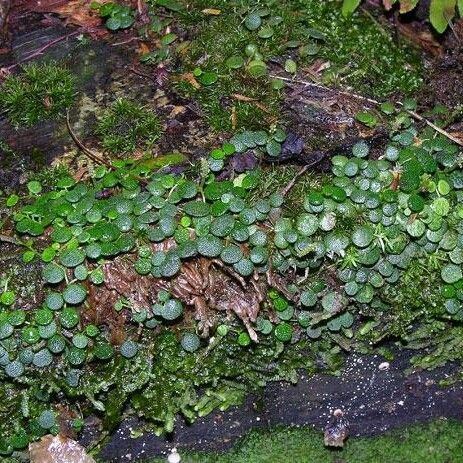
Commonly known as the Miniature Peperomia, this tiny emerald gem looks like it belongs in a dollhouse or a fairy garden. Native to the tropical rainforests of Central and South America, it is a "micro-peperomia" that forms a dense, moss-like carpet of greenery. It is highly sought after by terrarium enthusiasts for its ability to scramble over wood and stones with delicate, thread-like elegance.
🔍 How to Identify
- 🍃 Miniature Foliage: The leaves are incredibly small, often measuring only 2–4 millimeters. They are typically heart-shaped or round with a subtle matte finish.
- 🧶 Creeping Stems: It features very thin, reddish-brown or green translucent stems that act like vines, rooting at every node as they touch a moist surface.
- 📐 The "Notch": If you look very closely (perhaps with a magnifying glass), you will see a tiny indentation or "notch" at the tip of each leaf, which gives the plant its name emarginella.
🏡 In Your Garden (or Terrarium)
- ☁️ High Humidity Specialist: Unlike its larger, succulent cousins, this Peperomia is not a fan of dry air. It thrives in enclosed glass environments where the humidity stays above 70%, making it the "gold standard" for bioactive vivariums.
- 💧 Watering Nuance: Because its roots are hair-thin, it cannot handle a complete drought. However, it also hates sitting in stagnant water. It prefers a "moist but airy" substrate, like long-fiber sphagnum moss or a chunky orchid mix.
- 💡 Low-Light Friendly: In the wild, it grows on the shaded floor or lower tree trunks. It performs best in bright, indirect light; harsh midday sun will quickly scorch and bleach its tiny leaves.
⚠️ Safety & Toxicity
- ✅ Pet & Child Safe: Like the vast majority of the Peperomia family, Peperomia emarginella is considered non-toxic to cats, dogs, and humans.
- 🧤 Delicate Nature: While not "toxic," the plant is physically fragile. Rough handling or high-traffic areas can easily crush the stems, so it is best kept inside a protective container or tucked away in a quiet corner of a shelf.
✨ Fun Fact
Because it grows so densely and stays so small, professional aquascapers and terrarium builders often use Peperomia emarginella to create "scale." By placing it near larger-leafed plants, it makes the entire miniature landscape look like a massive, ancient forest.

Detailed Care Instructions
To grow a Peperomia Emarginella plant, follow these steps:
- Choose a suitable pot: Select a pot with drainage holes to ensure proper water drainage and prevent root rot. Peperomia Emarginella prefers a small to medium-sized pot.
- Soil selection: Use a well-draining and nutrient-rich potting soil mix. You can create your own mix by combining equal parts of peat moss, perlite, and coarse sand.
- Planting the Peperomia Emarginella: Gently remove the plant from its nursery pot and loosen the roots. Place the plant in the new pot, ensuring it is at the same depth as it was in the previous pot. Backfill the potting soil around the plant, gently firming it with your fingers.
- Light requirements: Peperomia Emarginella thrives in bright, indirect light. Place it near a window where it can receive bright but filtered light throughout the day. Avoid exposing it to direct sunlight, as it can scorch the leaves.
- Temperature and humidity: Peperomia Emarginella prefers warm temperatures between 65-75°F (18-24°C). It can tolerate higher temperatures, but avoid exposing it to temperatures below 50°F (10°C). Maintain average indoor humidity levels, preferably around 40-50%.
- Watering routine: Water the plant when the top inch of soil feels dry to the touch. Peperomia Emarginella prefers slightly moist soil but can be sensitive to overwatering. Ensure the pot has drainage holes to prevent waterlogging. Avoid leaving the plant sitting in standing water.
- Fertilizing: Feed your Peperomia Emarginella plant once every month during the growing season (spring and summer) using a balanced houseplant fertilizer. Follow the instructions on the fertilizer package for the correct dosage.
- Pruning: Trim any unwanted or damaged leaves using clean and sharp scissors. You can also pinch the stems occasionally to promote bushier growth.
- Propagation: Peperomia Emarginella can be propagated through stem cuttings. Take a 3-4 inch cutting with a few leaves attached and remove the bottom leaves. Place the cutting in a jar filled with water, ensuring the node is submerged. Once roots develop, transfer it to a pot filled with potting soil.
Remember, each plant is unique, and some trial and error may be necessary to determine the best care routine for your Peperomia Emarginella. With proper care and attention, it should thrive and grow into a beautiful plant.
Peperomia Emarginella is a tropical plant that requires regular watering to thrive. Here are some details on how to water this plant successfully:
- Frequency: Aim to water your Peperomia Emarginella plant once every 7-10 days during the growing season (spring and summer) and reduce the frequency to once every 10-14 days in the winter when the plant is in its dormant phase.
- Soil moisture: Before watering, check the moisture level of the soil by inserting your finger about an inch into the soil. If it feels dry, it's time to water. Peperomia Emarginella prefers slightly moist soil but can't tolerate waterlogged conditions.
- Watering method: Use a watering can or a narrow-spout watering bottle to water the soil directly. Avoid wetting the leaves to prevent fungal diseases.
- Water quality: Use room temperature water. If possible, use filtered water or let tap water sit overnight before watering to allow any chlorine to dissipate, as Peperomia Emarginella is sensitive to chemicals commonly found in tap water.
- Watering technique: Slowly pour water onto the soil until it starts to drain from the bottom. Pause for a few minutes and repeat the process once more to ensure thorough hydration and proper root penetration.
- Drainage: Peperomia Emarginella requires well-draining soil to prevent root rot. Ensure the pot has drainage holes to allow excess water to escape. Discard any excess water collected in the saucer to prevent the roots from sitting in stagnant water.
- Environmental factors: Consider the environmental conditions before watering. Increase the frequency of watering during hot, dry periods, and decrease it during cooler, less humid periods to avoid over or under-watering.
- Observation: Monitor your plant's response to watering. If the leaves start to droop or curl, it may be a sign of underwatering, whereas yellowing and mushy leaves may indicate overwatering. Adjust your watering schedule accordingly to maintain optimal soil moisture.
Remember, these guidelines serve as a general recommendation, and factors such as pot size, room temperature, and humidity levels may require adjustments to the watering routine. It's essential to assess the specific needs of your Peperomia Emarginella plant and adapt accordingly.
To successfully fertilize Peperomia Emarginella plants, follow these instructions:
- Choose a balanced, water-soluble fertilizer suitable for indoor plants. Ensure that it has equal amounts of nitrogen (N), phosphorus (P), and potassium (K). A ratio of 10-10-10 or 20-20-20 is suitable for Peperomias.
- Dilute the fertilizer according to the package instructions. Generally, using a quarter or half of the recommended strength is sufficient for Peperomias.
- Water the Peperomia Emarginella plant thoroughly before applying fertilizer. This allows the soil to be evenly moist, ensuring proper nutrient absorption.
- Pour the diluted fertilizer solution into a watering can or spray bottle, depending on the size of your plant and its pot.
- Apply the fertilizer solution to the soil around the base of the plant, avoiding direct contact with the leaves or stems. Alternatively, you can spray the foliage lightly with the diluted fertilizer solution.
- Allow any excess fertilizer to drain through the pot's drainage holes.
- Remember to apply the fertilizer every four to six weeks during the active growing season, which is usually spring and summer. In winter, reduce the frequency to once every two to three months or suspend fertilization altogether.
- Ensure that the Peperomia Emarginella plant receives adequate light, as this supports healthy growth and proper nutrient uptake.
- Observe the plant for any signs of fertilizer burn or salt buildup, which can manifest as yellowing or browning leaf tips. If you notice these symptoms, flush the soil with plain water to leach out excess salts.
- Finally, always refer to the specific fertilizer product instructions and adjust the frequency and application rate accordingly.
Remember, fertilizing is just one aspect of Peperomia Emarginella plant care. Regularly monitor the plant's soil moisture, air circulation, and light levels, alongside providing suitable temperatures, to ensure optimal growth and wellbeing.
Peperomia Emarginella, a popular houseplant, requires specific soil conditions to thrive. It is recommended to use a well-draining soil mixture that allows excess water to flow out easily. The ideal soil for Peperomia Emarginella should be light, airy, and slightly acidic with excellent moisture retention properties.
One suitable soil option for this plant is a blend of potting soil, perlite, and orchid bark. Potting soil provides essential nutrients and organic matter for the plant's growth, while perlite promotes drainage and aeration. Orchid bark, being porous, helps to maintain adequate air circulation around the roots.
Another alternative is a soil mix consisting of peat moss, perlite, and coarse sand. Peat moss helps retain moisture, while perlite enhances drainage, preventing waterlogging, and allowing oxygen to reach the roots. Coarse sand aids in increasing drainage and preventing compacted soil.
It's important to avoid using heavy, compacted soils or those that retain excessive moisture, as these can lead to root rot and other issues. Additionally, the soil should not be too dense, as it can impede root growth and overall plant health.
Overall, a light, well-draining soil mix is crucial for Peperomia Emarginella to prevent overwatering and promote healthy root development. Remember to water the plant in moderation and allow the soil to partially dry out between waterings to avoid waterlogged conditions.
Peperomia emarginella is a popular plant that can be propagated in a few simple steps:
- Start by selecting a healthy, mature plant from which you want to take cuttings. Look for a plant that has strong stems and vibrant leaves.
- Prepare a clean, sharp knife or pair of scissors. It is essential to use sterile tools to prevent the transfer of diseases or pests to the plant.
- Identify the nodes on the stem of the plant. Nodes are the points where leaves emerge from the stem. These nodes are crucial for new root growth.
- Carefully make a clean cut just below a node. The cutting should ideally be around 2-4 inches long, with at least one node present.
- Remove the lower leaves on the cutting, leaving only a few leaves at the top. This step reduces the water loss through transpiration and directs the plant's energy towards root development.
- Fill a small pot or container with a well-draining soil mix. Peperomia emarginella prefers a soil mix with good drainage to avoid excess moisture, which can lead to root rot.
- Create a hole in the soil using your finger or a pencil to accommodate the cutting. Ensure the node and lower stem are buried in the soil while keeping the top leaves above the surface.
- Gently press the soil around the cutting to secure it in place and provide stability.
- Water the soil thoroughly but avoid excessive watering. Overwatering can drown the cutting or promote the growth of fungal diseases. Stick to keeping the soil slightly damp rather than constantly wet.
- Place the cutting in a warm and bright location, away from direct sunlight. Peperomia emarginella prefers indirect light conditions for optimal growth.
- Mist the cutting regularly or use a humidity dome or plastic bag to create a humid environment, which helps prevent dehydration.
- It may take several weeks or even months for the cutting to establish roots. Be patient and avoid disturbing the cutting during this time.
- Once the cutting has developed a healthy root system, you can transplant it into a slightly larger pot with regular potting soil.
Following these propagation steps, you can successfully propagate your Peperomia Emarginella and grow new plants to enjoy or share with others.








