Plant Overview
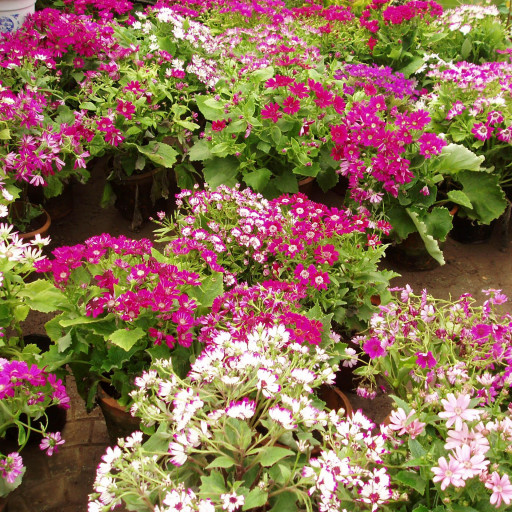
Often called the Florist’s Cineraria, these vibrant wonders are the "neon signs" of the plant world. Known for their electrifying blues, magentas, and bicolors, they look almost like painted daisies against a backdrop of lush, emerald foliage. Originally bred from species native to the Canary Islands, they have become a global favorite for bringing an explosion of color to cool-season gardens and indoor windowsills.
🔍 How to Identify
- 🌸 Radiant Blooms: Daisy-like flowers that often feature a distinct white "halo" or a dark eye in the center, appearing in dense clusters that can completely hide the foliage.
- 🍃 Heart-Shaped Leaves: Large, broad, triangular-to-heart-shaped leaves with toothy edges and a soft, slightly fuzzy texture.
- 🌿 Compact Growth: A neat, mounded habit that typically stays under 12–15 inches, making the plant look like a living florist’s bouquet.
🏡 In Your Garden
- ❄️ Cool Weather Lovers: Unlike most tropical-looking plants, Cineraria loathes the heat. They thrive in temperatures between 50°F and 65°F. If the thermometer climbs too high, the plant will quickly wilt and go dormant.
- 💧 The Moisture Tightrope: These plants are notoriously thirsty but easily drowned. They require "goldilocks" soil—consistently moist like a wrung-out sponge, but never sitting in a pool of stagnant water, which triggers root rot.
- ⛅ Filtered Light: They prefer "bright shade." Think of the dappled light under a tree or a north-facing window. Direct, harsh afternoon sun will scorch their tender leaves in minutes.
⚠️ Safety & Toxicity
- 🐾 Toxic to Pets: Pericallis X Hybrida contains pyrrolizidine alkaloids, which are harmful if ingested.
- 🚫 Keep Away: It is considered toxic to dogs, cats, and horses. Ingestion can lead to liver irritation or stomach upset, so it’s best kept on high shelves or hanging baskets away from curious nibblers.
✨ Fun Fact
The name Pericallis is derived from the Greek words peri (around) and kallos (beauty), a literal description of how the stunning flowers form a "circle of beauty" around the top of the plant!

Detailed Care Instructions
Pericallis X Hybrida, also known as cineraria or florist’s cineraria, is a beautiful flowering plant that can be grown both indoors and outdoors. Here are some tips on how to grow Pericallis X Hybrida successfully:
- Choose the right location: Pericallis X Hybrida prefers bright, indirect sunlight. Place the plant in a location where it can receive at least 4-6 hours of sunlight each day. Avoid placing it in direct sunlight, as this can cause the leaves to burn.
- Temperature: Pericallis X Hybrida prefers temperatures between 60-70°F (15-21°C). Keep the plant away from drafts and sudden temperature changes.
- Watering: Water the plant regularly, keeping the soil consistently moist but not waterlogged. Allow the top inch of soil to dry out between waterings. Be careful not to overwater, as this can lead to root rot.
- Humidity: Pericallis X Hybrida prefers high humidity levels. You can increase humidity by placing a humidifier near the plant, placing a tray of water filled with pebbles underneath the plant, or misting the plant regularly.
- Fertilizing: Feed Pericallis X Hybrida every 2-4 weeks during the growing season with a balanced liquid fertilizer. Follow the instructions on the fertilizer package for proper application.
- Pruning: Remove faded flowers and dead leaves regularly to encourage new growth and prevent the plant from becoming leggy.
- Repotting: Repot Pericallis X Hybrida every 1-2 years to refresh the soil and provide the plant with more room to grow. Use a well-draining potting mix to prevent waterlogging.
By following these tips, you can successfully grow and care for Pericallis X Hybrida plant in your home or garden. Enjoy the beautiful flowers and vibrant foliage that this plant has to offer!

Place in a window with dappled sun or a spot in the middle of a room. Or directly in a window facing west or east.

When watering this particular plant, it is important to ensure that the soil remains consistently moist, but be careful not to overwater and create standing water in the plant's container. Allow the soil to slightly dry between waterings, and water thoroughly so that the water reaches all parts of the soil and root system. It is also important to ensure adequate drainage in the container or planting area to prevent waterlogging. Avoid watering the foliage of the plant, as this can promote disease and damage the leaves.
To fertilize Pericallis X Hybrida plants, use a balanced, water-soluble fertilizer with equal parts nitrogen, phosphorus, and potassium. Apply the fertilizer once every two weeks during the plant's active growing season, typically in spring and summer. Dilute the fertilizer according to the manufacturer's instructions and water the plant thoroughly after application to avoid burning the roots. Avoid over-fertilizing, as this can lead to nutrient imbalances and plant damage.
Pericallis X Hybrida plant prefers a well-draining soil that is rich in organic matter. The ideal soil for this plant should be slightly acidic with a pH range of 5.5 to 6.5. A mixture of peat moss, perlite, and vermiculite is recommended to create a light and airy soil mix that allows for proper drainage and root development. Adding a slow-release fertilizer to the soil mix before planting can provide the plant with essential nutrients for optimal growth. It is important to avoid using heavy clay soil or soil that contains large amounts of sand as it can affect the plant's ability to thrive.
Pericallis X Hybrida plants can be easily propagated through stem cuttings. Here is a step-by-step guide on how to propagate these plants:
- Select a healthy, mature plant with strong stems and vibrant foliage for taking cuttings.
- Use a sharp, clean pair of scissors or pruning shears to cut a 4-6 inch stem from the parent plant. Make sure to cut the stem just below a leaf node, as this is where new roots will form.
- Remove any flowers or buds from the cutting to redirect the plant's energy towards root growth.
- Fill a small pot with well-draining potting soil or a mix of perlite and peat moss.
- Dip the cut end of the stem in a rooting hormone powder to promote faster root development.
- Make a small hole in the potting soil and insert the cutting, gently pressing the soil around the base to secure it in place.
- Place the pot in a warm, bright location with indirect sunlight. Keep the soil consistently moist but not waterlogged.
- After a few weeks, roots should begin to form on the cutting. You can gently tug on the cutting to check for resistance, which indicates that roots have developed.
- Once the cutting has developed a healthy root system, you can transplant it into a larger pot or into the garden, where it will continue to grow and flourish.
By following these simple steps, you can easily propagate Pericallis X Hybrida plants and expand your plant collection.
Common pests of the cineraria include Aphids, whiteflies. Make a habit of checking your cineraria frequently for pests so that any infestations can be caught and managed early.







