Plant Overview
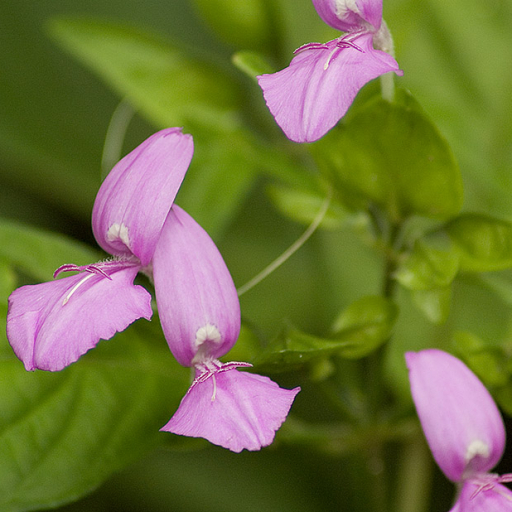
Known as the "Magenta Plant" or lá cẩm, this vibrant Southeast Asian native is a hidden gem of the culinary world. While it looks like a modest ornamental shrub, it is most famous for its "magical" ability to turn food a brilliant violet-purple. In Vietnam, it is a staple for coloring traditional sticky rice, offering a natural, tasteless alternative to synthetic dyes.
🔍 How to Identify
- 🍃 Velvety Leaves: The leaves are lance-shaped (long and pointed) and covered in fine, soft hairs that give them a slightly matte, velvety appearance.
- 🌸 Two-Lipped Flowers: It produces delicate, tubular flowers that split into two distinct "lips." These blooms are typically a striking shade of magenta or soft lavender.
- 🌿 Dense Habit: This is a low-growing, herbaceous perennial that forms a bushy mound, rarely exceeding two feet in height, making it an excellent "filler" plant.
🏡 In Your Garden
- 💧 Humidity is Key: Coming from tropical regions, this plant craves moisture. If the air is too dry, the leaf tips will turn brown and crispy. It thrives in "goldilocks" soil—consistently moist but never soggy.
- ☀️ Dappled Sunlight: While it can handle some sun, it performs best in bright, indirect light. In hot climates, harsh afternoon rays will wilt the foliage, so give it a spot under a canopy or a shaded porch.
- ✂️ Harvesting for Color: To use it for cooking, you’ll want to prune the stems regularly. This actually helps the plant; pinching back the tips encourages it to grow bushier and prevents it from becoming "leggy" or sparse.
⚠️ Safety & Toxicity
- 🍽️ Culinary Safe: Peristrophe bivalvis is non-toxic and widely used as a natural food colorant.
- 🐾 Pet Friendly: There are no known toxic effects for cats or dogs, making it a safe choice for a household with curious pets. However, it’s always best to discourage pets from snacking on garden plants to avoid minor digestive upset.
✨ Fun Fact
The deep purple dye isn't actually in the leaves themselves while they are on the plant—you won't get any color by just rubbing them! To unlock the "magic," you must simmer the leaves in water. The heat breaks down the plant cells, releasing a vivid magenta liquid that has been used for centuries in traditional Asian medicine and cuisine.

Detailed Care Instructions








