Plant Overview
Often called the "Butter Bean" for its creamy, melt-in-your-mouth texture, Phaseolus lunatus has been a staple of the Americas for over 4,000 years. Whether you know it as a Lima bean or a Rangoon bean, this heat-loving legume is a nutritional powerhouse that turns sunshine into protein with remarkable efficiency. It is a resilient climber that adds a lush, green verticality to any vegetable patch.
🔍 How to Identify
- 🍃 Leaf Structure: Features "trifoliate" leaves, meaning they grow in groups of three heart-shaped or triangular leaflets that are often slightly hairy on the underside.
- 🌸 Delicate Blooms: Produces small, dainty clusters of flowers (racemes) that can range from pale white and greenish-yellow to light violet.
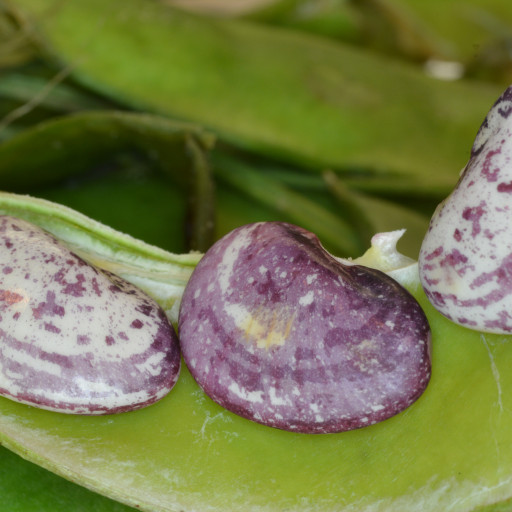
- 🫛 The Pods: Look for flat, slightly curved green pods, typically 2 to 5 inches long. Inside, the seeds are famously flat and oval, varying in color from creamy white to speckled burgundy.
🏡 In Your Garden
- ☀️ Heat Seekers: Unlike their common green bean cousins, Limas are true sun-worshippers. They require warm soil to germinate and thrive in high humidity, making them the stars of the mid-to-late summer garden.
- 🌱 Soil Enrichment: As a legume, this plant has a "superpower"—it works with soil bacteria to "fix" nitrogen from the air into the ground. This means it actually leaves the soil richer than it found it, acting as a natural fertilizer for future crops.
⚠️ Safety & Toxicity
- 🚫 Raw Warning: Never eat Lima beans raw. They contain linamarin, a cyanogenic glycoside that can release cyanide gas during digestion. Boiling the beans thoroughly (and discarding the water) renders them perfectly safe and nutritious.
- 🐾 Pet Safety: Raw beans and the plant itself are considered toxic to dogs, cats, and horses. If you grow them, ensure your pets aren't snacking on the low-hanging pods.
✨ Fun Fact
🌎 The Name Game: The bean is named after Lima, Peru, where it was cultivated as early as 2,000 BC. Interestingly, while the city is pronounced "Lee-ma," the common English pronunciation for the bean is almost always "Lye-ma."

Detailed Care Instructions
Lima beans are fairly easy to grow as long as you can provide loose soil and don't have temperature extremes.
How long does it take to grow lima beans?
Lima bean varieties generally will be ready to harvest in two to three months.
Do lima beans come back every year?
Lima beans are annuals, meaning they complete their life cycle in one growing season.
| Color | Green, White, Purple |
| Soil Ph | 6.0-6.8 |
| Lighting | Full Sun |
| Toxicity | Toxic |
| Soil Type | Loamy, Moist, Well-Drained |
| Bloom Time | Summer |
| Plant Type | Annual |
| Mature Size | 2-12 Feet Tall |
| Native Area | North America, Central America, South America |
| Sun Exposure | Full Sun |
| Hardiness Zones | 2-11 |
To grow Phaseolus lunatus, also known as lima bean or butter bean, follow these steps:
- Choose the right time: Lima beans require warm temperatures, so plant them after the last frost date in your area when the soil temperature has reached around 65-85°F (18-29°C).
- Select a suitable location: Lima beans thrive in full sun, so choose a spot in your garden that receives at least 6-8 hours of direct sunlight daily. Ensure that the soil drains well and is enriched with organic matter.
- Prepare the soil: Lima beans prefer a slightly acidic soil with a pH between 6.0 and 7.0. Before planting, clear the area of weeds and rocks, and loosen the soil. Add compost or well-rotted manure to improve fertility and drainage.
- Plant the seeds: Sow the lima bean seeds directly into the garden bed, about 1-2 inches deep and 3-4 inches apart. You can also plant them in raised beds or containers if you have limited space. Space rows about 18-24 inches apart to allow airflow.
- Watering: Keep the soil consistently moist but not soggy. Water the beans deeply at least once a week or more frequently during hot, dry spells. Avoid over-watering to prevent waterlogging, which can lead to root rot.
- Provide support: Lima beans are climbers, so it's important to provide vertical support such as trellises, poles, or fences. Install these supports shortly after planting when the plants are young. This will help keep the vines off the ground and allow for easier harvesting.
- Mulch: Apply a layer of organic mulch, such as straw or wood chips, around the base of the plants to suppress weed growth, conserve moisture, and regulate soil temperature.
- Fertilize: Lima beans are nitrogen-fixing plants, which means they convert nitrogen from the air into a form that can be utilized by plants. Therefore, they don't require heavy fertilizer applications. However, you can use a balanced organic fertilizer or apply compost during planting to promote healthy growth.
- Pruning and harvesting: Lima bean plants do not require much pruning. However, you can remove any overly dense foliage to increase airflow and prevent diseases. Harvest the pods when they are fully grown but before they become tough and fibrous. The pods should be plump and green. Simply grasp the base of the pod and twist gently to detach it from the vine.
- Save seeds (optional): If you want to save seeds for future planting, allow a few pods to mature and dry on the vine until they turn brown. Collect the dried pods, remove the seeds, and store them in a cool, dry place for next year's planting.
By following these steps, you can successfully grow and enjoy your own Phaseolus lunatus plants.

Place in a bright room that is sun drenched almost all day. Or directly in a south-facing window.

To water this plant, you should make sure to keep the soil consistently moist but not overly saturated. It is important to water deeply and avoid just wetting the top layer of soil. You can also provide some shade and shelter from strong winds to help reduce water loss through evaporation. Consider watering in the early morning or late evening to minimize the risk of sun scorching the leaves.
For optimal growth and yield of this plant, it is important to fertilize it regularly. Start by preparing the soil prior to planting by incorporating organic matter, such as compost or aged manure, into the soil. Once the plant has established, apply a balanced fertilizer with equal amounts of nitrogen, phosphorus, and potassium according to the manufacturer's instructions. Apply the fertilizer every 4-6 weeks during the growing season. Make sure to water the plant well before and after fertilizing to prevent burning. Avoid over-fertilizing as this can lead to excessive vegetative growth at the expense of fruit production.
The ideal soil for Phaseolus Lunatus should be loose, well-draining, and rich in organic matter. The pH level of the soil should be between 6.0 and 6.8. The soil should also be fertile and contain a balanced amount of essential nutrients such as nitrogen, phosphorus, and potassium. Additionally, the soil should be able to hold moisture well, but not become waterlogged as the plant is sensitive to overwatering. The soil should also be free of any pests or diseases that could harm the plant.
There are several ways to propagate this plant. One method is to take stem cuttings from a healthy plant. Cut a stem that is about 6 inches long and has a few leaves. Remove the lower leaves and dip the cut end in rooting hormone. Plant the cutting in a pot with well-draining soil and keep it moist. Place the pot in a warm, bright location but out of direct sunlight.
Another method is to propagate this plant through seeds. Soak the seeds in water for 24 hours before planting. Plant the seeds in well-draining soil and cover them lightly with soil. Keep the soil moist but not overly wet. Place the pot in a warm, bright location and wait for the seeds to germinate.
Additionally, this plant can also be propagated through division. Carefully dig up the plant and separate the root ball into sections. Each section should have some roots and a few healthy stems. Plant each section in its own pot with well-draining soil and keep it moist. Place the pots in a warm, bright location but out of direct sunlight.
Common pests of the lima bean include Aphids, whiteflies. Make a habit of checking your lima bean frequently for pests so that any infestations can be caught and managed early.








