Plant Overview
Commonly known as the Caucasian Stonecrop or the evocative "Dragon’s Blood," this resilient succulent is a favorite for those who want a garden that looks lush with very little effort. Originating from the rocky slopes of the Caucasus Mountains, it has earned a reputation as a "living carpet" that can transform a barren patch of dirt into a tapestry of fleshy leaves and star-shaped blooms.
🔍 How to Identify
- 🍃 The Leaf Pattern: Look for small, paddle-shaped leaves with "scalloped" or toothed edges near the tips. They grow in a distinct "two-row" pattern along the stems, which gives it the nickname Two-row Stonecrop.
- 🌸 Starry Clusters: In mid-to-late summer, the plant erupts in clusters of tiny, five-petaled flowers that look like miniature stars. Colors range from soft pink to a deep, moody burgundy.
- 🏃 Low-Profile Habit: This plant rarely grows taller than 6 inches. Instead, it spreads horizontally, with its stems "crawling" along the ground and taking root wherever they touch the soil.
🏡 In Your Garden
- 🧱 The Hardiness Hero: This plant is famous for thriving in "hellstrips"—those difficult areas between a sidewalk and a road. It loves rocky, poor soil where other plants wither, making it the ultimate solution for erosion control on slopes.
- 🎨 Seasonal Color Shifts: Unlike many plants that fade in winter, many varieties of Phedimus spurius (like 'Dragon's Blood') actually get more intense in color. As the temperature drops, the green foliage often shifts into a deep, dramatic bronze or beet-red.
- 💧 The "Neglect" Factor: Its biggest enemy is actually too much kindness. Overwatering or planting it in heavy, rich soil will cause the roots to rot. It prefers to dry out completely between drinks, mimicking its native mountain home.
⚠️ Safety & Toxicity
- 🐾 Low Toxicity: Phedimus spurius is generally considered non-toxic to humans and is not listed as a major threat by the ASPCA for dogs or cats.
- 👄 Mild Irritation: While not deadly, the leaves contain crystalline substances that can cause a mild stomach ache or mouth irritation if a pet (or a curious toddler) decides to have a snack. The sap may also cause very mild skin redness in sensitive individuals.
✨ Fun Fact
The variety known as "Dragon's Blood" was specifically bred to handle extreme cold; it can survive temperatures as low as -30°F (-34°C), making it one of the toughest succulents in the world!

Detailed Care Instructions
| Humidity | Dry |
| Lighting | Full Sun |
| Difficulty | Easy |
| Hibernation | Cold Period |
| Temperature | 20°C - 35°C |
| Hardiness Zones | Min 3A |
To grow Phedimus Spurius, also known as Sedum spurium or Dragon's Blood Stonecrop, follow these steps:
- Climate: Phedimus Spurius is a hardy plant that can grow in USDA hardiness zones 3-9. It can tolerate a wide range of temperatures, but it prefers full sun to partial shade.
- Soil: The plant thrives in well-draining soil. Make sure the soil is fertile and has good organic content. Sandy or loamy soil is ideal.
- Watering: Phedimus Spurius is a drought-tolerant plant that prefers dry conditions. Water the plant sparingly as and when the soil dries out. Avoid overwatering, as it can lead to root rot.
- Propagation: There are several methods of propagating Phedimus Spurius:
- Stem cuttings: Take stem cuttings during spring or early summer. Allow the cuttings to dry for a few days, then plant them in well-drained soil.
- Division: Divide an established plant during early spring. Gently separate the rooted sections, ensuring each section has some roots attached, and replant them.
- Stem cuttings: Take stem cuttings during spring or early summer. Allow the cuttings to dry for a few days, then plant them in well-drained soil.
- Planting: If planting from seeds, sow them in early spring or fall. Cover the seeds lightly with soil, as they need some light for germination. Keep the soil slightly moist until seedlings emerge.
- Maintenance: Once established, Phedimus Spurius requires minimal care. Remove any dead or damaged foliage and spent flowers. Fertilization is usually not necessary but can be done sparingly during the growing season.
- Pests and diseases: Phedimus Spurius is relatively resistant to pests and diseases. However, keep an eye out for aphids, mealybugs, or snail damage. Use organic pest control methods if needed.
- Overwintering: This plant is generally cold hardy, but in areas with harsh winters, it may benefit from some winter protection. Applying a layer of mulch around the base of the plant can help insulate the roots.
With proper care and suitable growing conditions, your Phedimus Spurius plant should thrive and provide you with beautiful foliage and bright red flowers.

Place in a bright room that is sun drenched almost all day. Or directly in a south-facing window.
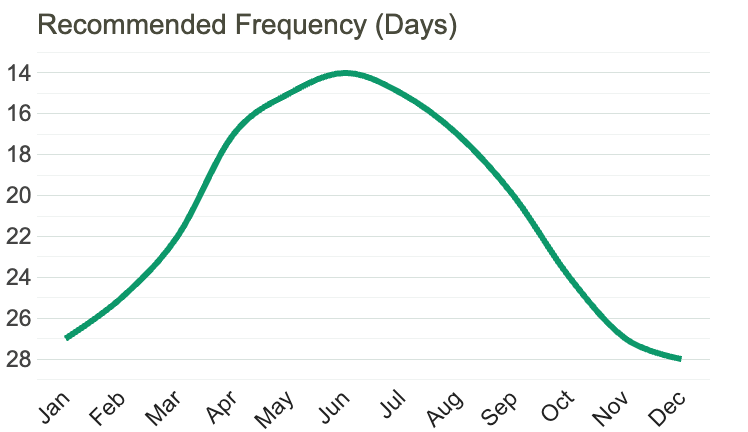
To water this particular plant, it is important to check the moisture level of the soil before watering. This can be done by inserting a finger into the soil up to the first knuckle. If the soil feels dry, it is time to water. When watering, it is recommended to give the plant a thorough soaking until water drains out of the bottom of the pot or container. It is important to avoid letting the plant sit in standing water as this can lead to root rot. It is also beneficial to allow the soil to dry out slightly between watering to prevent overwatering. Additionally, this plant prefers well-draining soil and should not be watered too frequently during the winter months when it is in dormancy.
To fertilize the Phedimus Spurius plant, you should apply a balanced fertilizer with a ratio of 10-10-10. Apply the fertilizer in early spring when new growth starts and repeat every two to three months during the growing season. Be sure to follow the instructions on the fertilizer packaging for the appropriate amount to apply based on the plant's size. Over-fertilizing can cause damage to the plant, so it's essential not to exceed the recommended dose. Water the plant thoroughly after fertilizing to help the nutrients reach the roots.
A suitable soil for Phedimus Spurius should be well-draining and slightly alkaline with a pH range of 6.0 to 7.5. It should be rich in nutrients and organic matter, but not overly fertile as this may encourage excessive foliage growth at the expense of flowers. A mix of sand, perlite, and peat moss can be blended with garden soil to improve drainage and aeration. The soil should not be compacted or waterlogged as this can promote root rot and other fungal diseases. The plant prefers a slightly moist soil, but not overly wet, and it can tolerate periods of drought once established. Amendments such as bone meal, compost, or aged manure can be added to enrich and balance the soil.
Propagation of this plant can be achieved through vegetative means. Take a healthy stem cutting from the mother plant and remove the lower leaves, leaving a section with 2-3 leaves on the top. Dip the cut end of the stem into rooting hormone powder and plant it in well-draining soil. Keep the soil slightly moist and place the cutting in a bright spot, but out of direct sunlight. After a few weeks, roots should begin to form and new growth should appear on the cutting. Once the cutting has established roots and new growth, it can be transplanted into a larger pot or directly into the garden.
Common pests of the dragon's blood include Aphids. Make a habit of checking your dragon's blood frequently for pests so that any infestations can be caught and managed early.