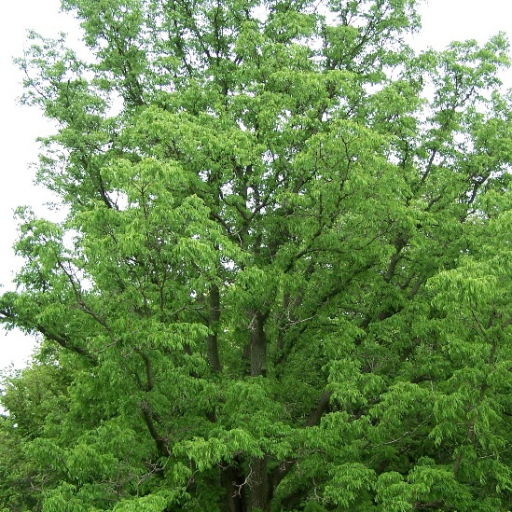
Plant Overview
Known as the "Yellow Bark Tree" in many East Asian cultures, the Amur Cork Tree is a hardy survivor from the river valleys of Manchuria and Siberia. It is most famous for its distinctively thick, spongy bark that feels like a natural cushion and its wide, sprawling canopy that creates a perfect summer shade. While it looks grand and ancient, it carries a secret: its leaves and fruit hold a potent, sharp citrus scent that reveals its distant relationship to the orange tree.
🔍 How to Identify
- 🌳 Corky Bark: The most iconic feature is its thick, gray-brown bark that becomes deeply furrowed and "corky" as the tree matures. If you press it firmly, it feels slightly soft and resilient.
- 🍃 Feathery Leaves: It features long, pinnately compound leaves (usually 7-13 leaflets) that turn a brilliant, striking yellow in the autumn before falling.
- 🫐 Aromatic Fruit: In late summer, female trees produce clusters of small, green berries that ripen to a jet black. When crushed, they emit a powerful, pungent smell of turpentine or sharp citrus.
🏡 In Your Garden
- 🌞 Sun & Space: This tree is a sun-lover and needs plenty of room to spread its wide, horizontal branches. It creates a "vase" shape that provides excellent shade for large landscapes, but it can be too domineering for small suburban lots.
- 💪 Urban Resilience: It is incredibly resilient to urban pollution and various soil types. However, because it develops a strong, deep root system, it hates being moved once established. Choose its "forever home" carefully to avoid transplant shock.
- 🚫 Spreading Nature: Be aware that in certain parts of North America, this tree is considered invasive. Its seeds are easily spread by birds, and it can quickly crowd out native forest species if not managed.
⚠️ Safety & Toxicity
- 🌿 General Safety: The tree is non-toxic to touch and has been used in traditional medicine for centuries. It is not known to cause contact dermatitis.
- 🐾 Pets & Kids: While the tree isn't "deadly," the berries contain high concentrations of alkaloids and essential oils. If ingested by dogs, cats, or curious children, they can cause significant stomach upset, nausea, or drooling.
- 🧹 Slippery Slopes: The fallen berries are very oily; if the tree overshoots a sidewalk, the crushed fruit can create a surprisingly slippery (and staining) hazard.
✨ Fun Fact
The inner bark of the Amur Cork Tree is a vibrant, neon yellow. Historically, this bark was used to produce a specialized dye for the yellow robes of high-ranking officials and monks in East Asia, and it remains one of the 50 fundamental herbs used in traditional Chinese medicine.

Detailed Care Instructions
To grow a Phellodendron Amurense plant, also known as Amur cork tree, you can follow these steps:
- Choose the right location: Native to Eastern Asia, Phellodendron Amurense prefers full sun to partial shade. Find a spot in your garden or yard that receives at least 6 hours of direct sunlight per day.
- Soil preparation: The plant thrives in well-draining soil with a pH level between 5.5 and 7.5. If your soil is heavy clay or sand, amend it with organic matter like compost to improve drainage and fertility.
- Planting: Dig a hole that is slightly wider and deeper than the root ball of the plant. Place the plant in the hole and backfill with the amended soil, gently firming it around the roots. Water thoroughly after planting.
- Watering: Keep the soil consistently moist, especially during the plant's first year of growth. Water deeply and allow the soil to dry slightly between waterings. Avoid overwatering, as it can cause root rot.
- Mulching: Apply a layer of organic mulch around the base of the plant to help retain moisture, regulate soil temperature, and suppress weed growth. Leave space around the trunk to prevent rotting.
- Pruning: Prune the plant in late winter or early spring to remove any dead, damaged, or crossing branches. This will help maintain its shape and encourage healthy growth.
- Fertilizing: Phellodendron Amurense doesn't require heavy feeding. However, you can apply a slow-release balanced fertilizer in early spring. Follow the package instructions for application rates.
- Pests and diseases: The Amur cork tree is generally resistant to pests and diseases. However, keep an eye out for common garden pests like aphids, scale insects, and caterpillars. If necessary, treat the infestation with organic insecticides or insecticidal soap.
- Propagation: Propagation of Phellodendron Amurense can be done through seeds or cuttings. Seeds can be sown directly in the soil in spring, while stem cuttings can be rooted in a well-draining rooting medium.
- Winter care: The plant is hardy to USDA zones 4-8. In colder regions, protect the young saplings with a layer of mulch, straw, or burlap during the winter months to shield them from extreme cold temperatures.
Remember to research and comply with any regulations or guidelines specific to your region before planting Phellodendron Amurense.

Place in a bright room that is sun drenched almost all day. Or directly in a south-facing window.

The plant in question requires a moderate amount of water, but it is important not to let it sit in waterlogged soil as this can lead to root rot. Watering should be done when the top 1-2 inches of soil feel dry to the touch. It is best to water deeply and allow the water to soak in before draining away any excess. The plant also benefits from occasional misting to increase humidity levels, especially during dry winter months.
For best results, fertilize this plant during the early spring and summer months, when it is actively growing. Use a balanced, slow-release fertilizer and apply it according to the package instructions. Be careful not to over-fertilize, as this can damage the plant. It is also important to ensure that the soil is moist before fertilizing, as dry soil can prevent the plant from absorbing the nutrients. Happy growing!
The optimal soil for the plant in question is a well-drained, loamy soil with a slightly acidic pH level. The soil should be rich in organic matter and nutrients, but not overly dense or compact. It is important to avoid soils that are too sandy or too heavy in clay. Additionally, the plant prefers moist soil, but it is important to avoid waterlogged conditions. To facilitate good drainage, adding coarse sand, perlite, or vermiculite to the soil can be helpful. Consistency in watering is important, as inconsistent moisture levels can cause stress for the plant.
To propagate this plant, you will need to take a stem cutting from a mature, healthy plant. Choose a stem that is at least 3 inches long and has several leaves attached. Use a sharp, clean pair of scissors or pruning shears to cut the stem at a 45-degree angle, just below a node (where a leaf is attached).
Remove the bottom set of leaves from the cutting, leaving only a few leaves at the top. Dip the cut end of the stem into rooting hormone powder, if desired, to encourage root growth. Then, plant the cutting in a pot filled with a well-draining soil mix, such as a mix of peat moss and perlite.
Water the cutting thoroughly, and then cover the pot with a clear plastic bag or a propagation dome to help maintain moisture and humidity. Place the pot in a warm, bright location, but out of direct sunlight. Check the soil moisture regularly and water as needed to keep the soil moist but not waterlogged.
Within a few weeks, you should see new growth emerging from the top of the cutting, indicating that the plant has taken root. Once the plant has established roots and new growth, you can gradually acclimate it to more light and less humidity by removing the plastic cover for longer periods each day. Eventually, you can transplant the plant to a larger pot or into the garden.








