Plant Overview
Affectionately known as the "Horsehead Philodendron" or "Fiddleleaf Philodendron," this South American beauty is a staple for those wanting a dramatic tropical jungle vibe. Unlike standard heart-leaf varieties, this climber offers a more architectural silhouette as it matures, reaching toward the canopy with a prehistoric, sculptural charm.
🔍 How to Identify
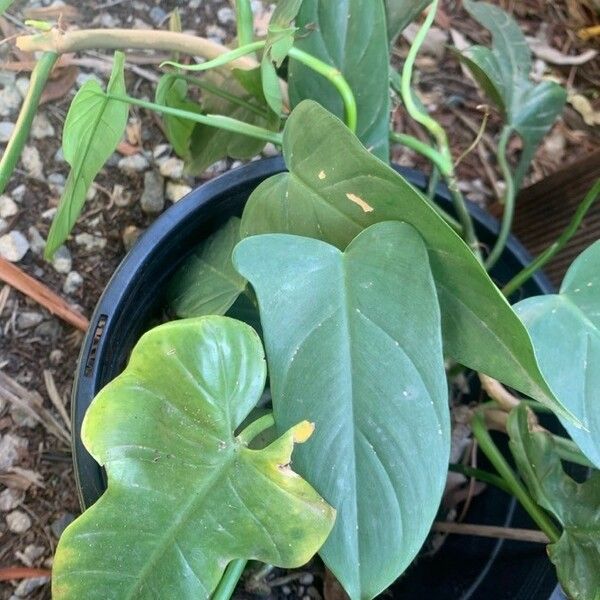
- 🐴 Leaf Shape: The most iconic feature is the large, glossy green foliage that develops deep lobes, remarkably resembling the profile of a horse’s head or a violin.
- 🧗 Growth Habit: This is a true vining epiphyte. It produces thick, brownish aerial roots designed to latch onto tree trunks or moss poles as it searches for sunlight.
- 🌿 Size Transition: Younger plants have simpler, oval leaves; the dramatic "horsehead" cut-outs only appear as the plant matures and gains height.
🏡 In Your Garden
- 🧗 The Need for Height: Because it is a natural climber, it will produce smaller, less dramatic leaves if left to trail. Providing a moss pole or trellis allows the plant to "feel" secure, mimicking its natural environment and encouraging the growth of massive, mature foliage.
- 🪴 Soil Breathability: It dislikes "wet feet." In the rainforest, it grows with its roots partially exposed to the air. In your home, use a chunky aroid mix (bark, perlite, and charcoal) to ensure the roots can breathe and dry out slightly between waterings.
⚠️ Safety & Toxicity
- 🚫 Toxic Status: High. Like most Philodendrons, this species contains insoluble calcium oxalate crystals which are harmful if ingested.
- 🐾 Who is at Risk: It is toxic to cats, dogs, and humans. Contact with the sap can cause skin irritation for some, while chewing on the leaves leads to immediate swelling of the mouth, throat, and severe digestive distress. Keep it on a high shelf or in a room inaccessible to curious pets and toddlers.
✨ Fun Fact
The Philodendron bipennifolium is a master of "heteroblasty"—a scientific term meaning its leaf shape changes drastically throughout its life. A juvenile plant looks so different from an adult that beginners often mistake them for two entirely different species!

Detailed Care Instructions
| Soil Ph | Neutral, Alkaline |
| Humidity | Normal |
| Lighting | Part Sun |
| Soil Type | Loamy, Moist But Well-Draining |
| Difficulty | Medium |
| Plant Type | Evergreen Shrub |
| Native Area | South America |
| Temperature | 18°C - 26°C |
| Sun Exposure | Partial Sun |
| Hardiness Zones | 9-11 |
To grow a Philodendron bipennifolium plant, also known as horsehead philodendron or fiddlehead philodendron, follow these steps:
- Choose a suitable location: Philodendron bipennifolium prefers bright indirect light but can tolerate medium light levels. Avoid placing them in direct sunlight as it may scorch the leaves. It can thrive indoors as long as it receives sufficient light.
- Provide the right temperature: This plant prefers temperatures between 60-85°F (15-29°C). Avoid exposing it to cold drafts or temperatures below 55°F (13°C).
- Planting medium: Use well-draining, rich potting soil. You can add organic matter, such as compost or peat moss, to improve its fertility and water retention abilities.
- Choose a container: Select a container with drainage holes to prevent waterlogging and rotting of the roots. Make sure the pot is slightly larger than the root ball to allow room for growth.
- Watering: Keep the soil moderately moist but avoid overwatering, as this plant is susceptible to root rot. Water when the top inch of soil feels slightly dry. Reduce watering during winter when growth slows down.
- Humidity: Philodendron bipennifolium appreciates moderate humidity levels. You can increase humidity by misting the leaves or placing a tray of water near the plant.
- Fertilization: Feed your Philodendron bipennifolium with a balanced houseplant fertilizer every 4-6 weeks during the growing season (spring and summer). Follow the package instructions for dosage.
- Pruning: Regularly prune your plant to control its size and encourage bushy growth. Remove any yellowing or damaged leaves to maintain its overall health.
- Propagation: Philodendron bipennifolium can be propagated through stem cuttings. Take a cutting with at least two nodes and submerge it in water or plant it directly in moist soil. Keep it in a warm and humid environment until roots develop.
- Repotting: If your plant outgrows its current pot, repot it in a slightly larger container in early spring. Refresh the soil while repotting.
Remember to keep an eye out for common pests such as aphids, mealybugs, or spider mites. Proper care and attention will help your Philodendron bipennifolium plant thrive and grow into a stunning addition to your indoor garden.

Place in a window with dappled sun or a spot in the middle of a room. Or directly in a window facing west or east.

The Philodendron Bipennifolium plant should be watered regularly, but not excessively. It is important to allow the topsoil to dry out partially before watering again. Overwatering can lead to root rot and other plant health issues. Water can be applied to the soil directly or via a drainage tray, and it is recommended to avoid getting water on the leaves to prevent fungal growth. During the colder months or during dormancy periods, the frequency of watering can be reduced. It is also important to ensure proper drainage, as stagnant water can also lead to plant health problems. Allowing the plant to dry out too much can cause wilting and stress, so it is important to maintain a consistent watering schedule.
To fertilize this plant, mix a balanced fertilizer at half strength and apply every two weeks during the growing season. Be sure to water the plant thoroughly before and after fertilizing to prevent fertilizer burn. Additionally, avoid over-fertilization, as excessive fertilization can damage the plant and inhibit growth.
The best soil to use with this plant is a mixture of well-draining soil, perlite, and peat moss. The soil should be slightly acidic with a pH range of 5.5-6.5. A high-quality indoor potting mix that contains ingredients such as vermiculite and sphagnum moss is also recommended. The soil should be able to retain moisture but not hold too much water, as this can lead to root rot. Additionally, it is suggested to use a container with drainage holes to ensure proper water drainage.
To propagate this plant, begin by selecting a healthy stem with several leaves and a visible node. Cut the stem just below the node using a sharp, sterile tool. Remove the lower leaves, leaving one or two at the top. Dip the cut end of the stem in rooting hormone powder to promote root growth.
Prepare a pot with well-draining soil and make a hole in the center. Insert the stem into the hole, pressing the soil around it to secure it in place. Water the soil lightly, being careful not to over-water.
Cover the pot with a clear plastic bag or container to create humidity and place it in a bright, warm location, but out of direct sunlight. Check the soil regularly and water as needed to keep it moist, but not waterlogged.
After several weeks, the plant should begin to show signs of new growth, indicating that roots have developed. At this point, the plastic cover can be gradually removed and the plant can be transitioned to a regular watering schedule.
With proper care and patience, a new Philodendron Bipennifolium plant can be successfully propagated from a stem cutting.
Common pests of the horsehead philodendron include Mealybugs, spider mites, thrips. Make a habit of checking your horsehead philodendron frequently for pests so that any infestations can be caught and managed early.








