Plant Overview
Known by enthusiasts for its namesake "brown stems," Philodendron brunneicaule is a velvety treasure from the tropical rain forests of Ecuador and Colombia. While it looks like a delicate masterpiece, this climbing aroid is a resilient survivor that transforms any room into a lush, prehistoric-looking jungle. It is highly prized by collectors for its dark, moody foliage and unique textures.
🔍 How to Identify
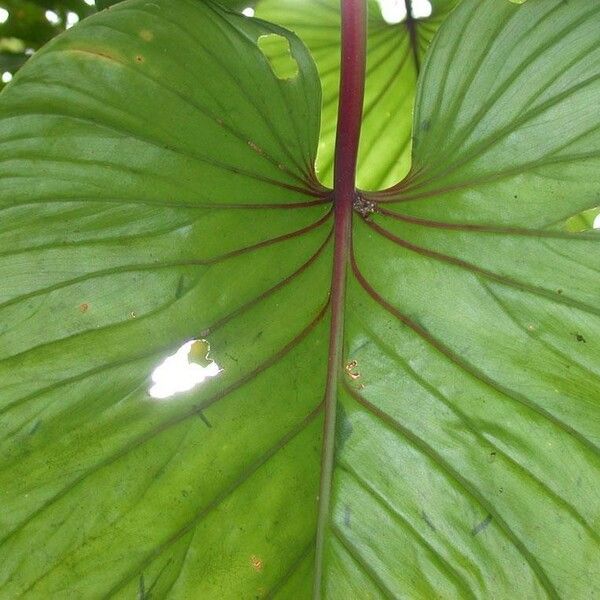
- 🍃 Velvety Foliage: The leaves are elongated, heart-shaped, and possess a matte, velvety texture that feels like soft suede to the touch.
- 🟤 Brown Petioles: The stems (petioles) are the giveaway—they have a distinct brownish, slightly rough or "scurfy" appearance, which is where the name brunneicaule comes from.
- 🧗 Aerial Roots: As it matures, it produces thick, grasping aerial roots designed to anchor itself to the bark of tropical trees.
🏡 In Your Garden
- 🪴 The Aroid "Crunch": This plant hates "wet feet." It requires a very chunky, airy potting mix (think orchid bark, perlite, and charcoal) to mimic the debris found in the crooks of tree branches where it naturally grows.
- 🌫️ Humidity Over Water: While it needs consistent moisture, it thrives more on atmospheric humidity. If your home is dry, the new leaves may get "stuck" in the cataphyll (the protective sheath) and emerge torn or deformed.
- 🆙 Vertical Ambition: This is a true climber. To see the leaves reach their impressive adult size, you must provide a moss pole or a wooden plank for the roots to dig into.
⚠️ Safety & Toxicity
- 🚫 Toxic to Pets & Kids: Like almost all Philodendrons, this plant contains insoluble calcium oxalate crystals.
- 👅 Irritation: If any part of the plant is chewed or swallowed, it causes immediate oral pain, swelling of the mouth/throat, and digestive upset. It is best kept on high shelves or in hanging baskets away from curious nibblers.
✨ Fun Fact
The name brunneicaule is derived from the Latin "brunneus" (brown) and "caulis" (stem). It is often confused with its cousin, Philodendron serpens, but you can tell them apart because serpens has "shaggy" hair-like scales on its stems, whereas brunneicaule has a smoother, albeit rough-textured, brown surface.

Detailed Care Instructions








