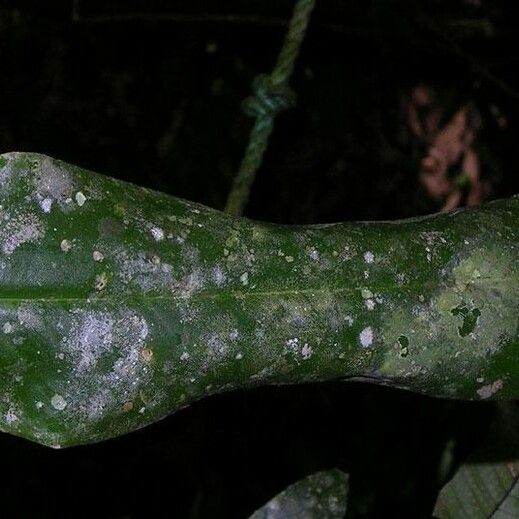
Plant Overview
The Philodendron ensifolium, often referred to as the Sword-Leaf Philodendron, is a sleek and sophisticated climber hailing from the humid rainforests of Central and South America. Unlike its broad-leaved cousins, this species is prized for its elegant, elongated foliage that looks like a collection of green blades cascading down a canopy. It’s a favorite among "aroid" collectors who want to bring a touch of the deep jungle into their living rooms.
🔍 How to Identify
- 🗡️ Leaf Shape: The most defining feature is its long, narrow, lance-shaped leaves that taper to a sharp point, resembling the blade of a sword.
- 🌿 Texture & Color: The leaves are typically a deep, glossy forest green with a leathery texture that helps the plant retain moisture.
- 🧗 Growth Habit: This is a climbing hemiepiphyte, meaning it uses adventitious roots to "walk" up tree trunks in search of brighter light.
🏡 In Your Garden
- 🪵 The Climbing Need: Because it is a natural climber, this plant rarely thrives when left to hang. It performs best when provided with a moss pole or cedar plank, which mimics the rough bark of its native trees.
- ☁️ Humidity is Key: Coming from the tropics of Panama and Colombia, it craves high humidity. If the air is too dry, the narrow tips of its "swords" may turn brown and crispy.
- 🧪 Substrate Nuance: It hates "wet feet." Instead of standard potting soil, use a chunky "aroid mix" containing orchid bark, perlite, and charcoal to ensure the roots can breathe.
⚠️ Safety & Toxicity
- 🚫 Status: Toxic to humans and pets.
- 🐾 Details: Like almost all Philodendrons, it contains calcium oxalate crystals. If leaves are chewed or swallowed, they can cause immediate mouth irritation, swelling of the throat, and digestive distress in cats, dogs, and curious toddlers.
✨ Fun Fact
The name ensifolium is derived from the Latin words ensis, meaning "sword," and folium, meaning "leaf." In its natural habitat, these long leaves are perfectly evolved to shed heavy tropical rainwater quickly, preventing fungal growth on the leaf surface!

Detailed Care Instructions








