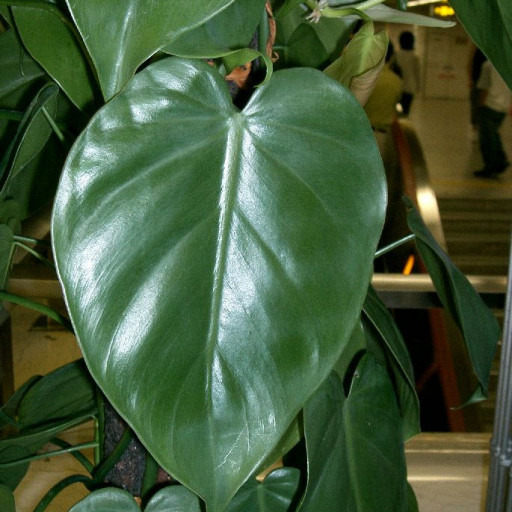
Plant Overview
Affectionately known as the "Sweetheart Plant" or the "Heartleaf Philodendron," this classic climber has been a staple in homes for decades. Native to the tropical rainforests of Central and South America, it is often celebrated as the ultimate "beginner plant" because of its forgiving nature and relentless will to grow. Whether cascading from a shelf or scaling a moss pole, it adds a lush, romantic vibe to any indoor space.
🔍 How to Identify
- 🍃 The Foliage: Distinctive, perfectly heart-shaped leaves that are smooth and glossy. While usually a deep emerald green, new leaves often emerge with a slight bronze or copper tint.
- 🌿 The Vines: Slender, flexible green stems that can grow several feet long. They produce small "nubs" (aerial roots) along the length of the vine to help them cling to surfaces.
- ✨ Leaf Texture: The leaves are relatively thin and delicate to the touch compared to their cousin, the Philodendron cordatum, with a waxy sheen that reflects soft light.
🏡 In Your Garden
- 🧗 Climbing Ambition: In the wild, these plants are "epiphytes," meaning they love to climb trees. If you provide a moss pole or trellis, the leaves will actually grow larger as the plant ascends.
- 💧 Drought Tolerance: It is much better to underwater this plant than to overwater it. It stores a bit of moisture in its stems, making it resilient to the occasional forgotten watering session.
- 🏠 Light Flexibility: While it dreams of the dappled canopy of a jungle, it is famous for surviving in low-light corners of apartments where other plants might struggle.
⚠️ Safety & Toxicity
- 🐾 Toxic to Pets: Like most members of the Araceae family, it contains insoluble calcium oxalate crystals. If chewed by cats or dogs, it can cause intense mouth irritation, drooling, and swelling.
- 👶 Keep Out of Reach: It is best to keep these vines high up on shelves if you have curious toddlers, as ingestion can cause a painful burning sensation in the throat.
- 🧤 Skin Sensitivity: Some people with sensitive skin may experience mild irritation from the sap when taking cuttings for propagation.
✨ Fun Fact
The name Philodendron actually tells a story! It is derived from the Greek words philo (love) and dendron (tree). Literally translated, it means "Tree Lover," describing the plant’s natural habit of "hugging" and climbing trees in the rainforest.

Detailed Care Instructions
| Humidity | Normal |
| Lighting | Shade |
| Toxicity | Poisonous |
| Difficulty | Easy |
| Hibernation | Cold Period |
| Temperature | 18°C - 25°C |
| Hardiness Zones | 10A - 12B |
To grow a Philodendron hederaceum plant, you can follow these steps:
- Choose a suitable location: Philodendron hederaceum prefers bright, indirect light. Avoid areas with direct sunlight as it can damage the leaves. It can tolerate lower light conditions, but it may grow slower.
- Select the right soil: Use a well-draining potting mix that retains moisture but doesn't become waterlogged. A mix of peat moss, perlite, and vermiculite works well.
- Planting: Select a container with drainage holes to prevent waterlogging. Place the plant in the pot and fill it with the potting mix, ensuring the roots are covered but not buried too deep. Gently firm the soil around the base of the plant.
- Watering: Keep the soil evenly moist, but not overly wet. Let the top inch of soil dry out between waterings. Overwatering can lead to root rot, so it's essential to maintain proper drainage.
- Humidity: Philodendron hederaceum thrives in humid conditions. You can enhance humidity by misting the leaves with water, placing the pot on a tray filled with water and pebbles, or using a humidifier.
- Temperature and humidity: These plants prefer average room temperatures between 60-75°F (15-24°C). Avoid exposing them to cold drafts or sudden temperature changes.
- Fertilizing: Feed the plant with a balanced, water-soluble fertilizer every 4-6 weeks during the growing season (spring and summer). Follow the package instructions for the appropriate dosage.
- Pruning: As the plant grows, you may need to prune for maintenance or to promote bushier growth. Remove any dead or yellowing leaves and trim back leggy stems to maintain a compact shape.
- Propagation: Philodendron hederaceum can be propagated easily through stem cuttings. Take a 4-6 inch cutting from a healthy plant, remove the lower leaves, and place it in a glass of water or directly into moist potting soil. Roots will form in a few weeks, after which you can transfer it to a pot.
- Pest control: Keep an eye out for common houseplant pests like spider mites, mealybugs, and scale insects. Regularly inspect the plant and treat any infestations promptly with organic insecticidal soap or neem oil.
Remember to provide adequate care, including regular watering, good light levels, and proper humidity, to support the healthy growth of your Philodendron hederaceum plant.

Place in a window with dappled sun or a spot in the middle of a room. Or directly in a window facing west or east.

To water this plant, you should start by checking the soil moisture level. Stick your finger about an inch deep into the soil and see if it feels dry. If it does, it’s time to water. When watering, make sure to use room temperature or lukewarm water and water thoroughly until water begins to drain out of the drainage holes at the bottom of the pot. Avoid standing water as it can lead to root rot. Allow the soil to dry out before the next watering. The frequency of watering will depend on indoor temperature, humidity, and the amount of light the plant receives, so monitor the plant’s moisture level regularly. It is better to underwater than overwater this plant.
To fertilize this plant, mix a balanced, water-soluble fertilizer at half strength and apply it every two weeks during the growing season. Do not fertilize during the winter months. Always make sure the soil is moist before fertilizing and avoid over-fertilizing as it can damage the plant's roots.
The ideal type of soil to use for this plant is loamy soil that is rich in organic matter and well-draining. It should have pH levels that are slightly acidic to neutral, ranging from 5.5 to 7.0. The soil mixture should consist of a combination of organic materials such as peat moss, compost, and perlite, which will provide the necessary nutrients and drainage for the plant. It is important to avoid using heavy clay soils that can retain too much moisture and lead to root rot. The soil should be kept moist but not waterlogged, allowing the plant's roots to access the necessary oxygen for healthy growth. Proper soil maintenance, along with regular fertilization and pruning, will ensure the plant thrives and produces lush foliage.
To propagate this plant, first locate a healthy stem with several leaves. Using a clean, sharp knife or scissors, make a clean cut just below a node (where a leaf connects to the stem). Remove any leaves from the bottom inch or so of the stem.
Next, prepare a pot or container with a well-draining soil mixture. Moisten the soil lightly, but do not make it soaking wet. Then, dip the cut end of the stem into rooting hormone powder, which will help promote root growth.
Make a small hole in the soil and insert the stem into the soil, gently pressing it down so it is secure. Water the cutting lightly and cover loosely with a plastic bag or plastic wrap to create a humid environment. Place the pot in a warm, bright location out of direct sunlight.
Check the soil moisture regularly and water as needed to keep it slightly moist. After a few weeks, you should see new growth and roots developing. Once the cutting has established roots and new growth, you can remove the plastic cover and gradually acclimate the plant to brighter light and less humidity.
Common pests of the heartleaf philodendron include Mealybugs, spider mites, thrips. Make a habit of checking your heartleaf philodendron frequently for pests so that any infestations can be caught and managed early.








