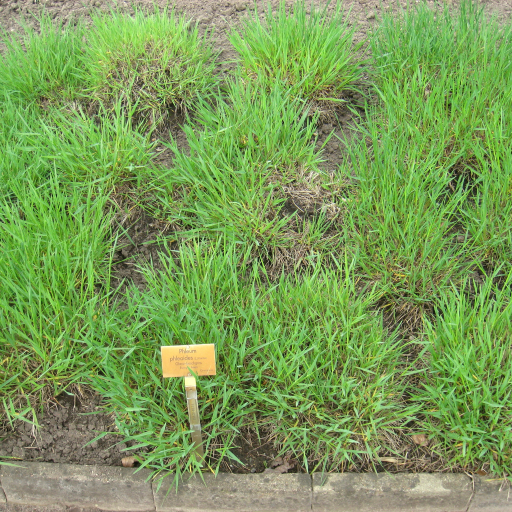
Plant Overview
Commonly known as the Purple-stem Cat's-tail, this elegant perennial grass is a staple of dry European meadows and Eurasian steppes. While it might look like a miniature version of its famous cousin, Timothy grass, its slender, violet-tinted stems give it a sophisticated, airy presence. It is a favorite for naturalistic "prairie-style" gardens because it captures the light and wind beautifully, adding a sense of movement to any landscape.
🔍 How to Identify
- 🌾 The Stem: Look for notably slender, upright stalks that often boast a distinct purplish or wine-red hue, particularly near the nodes and base.
- 📊 The Seed Head: It features a dense, cylindrical "spike" (panicle) that is much narrower and more refined than common pasture grasses, resembling a tiny, fuzzy chimney sweep’s brush.
- 🍃 The Foliage: The leaves are relatively short, gray-green, and slightly stiff, forming neat, compact tufts at the base of the plant.
🏡 In Your Garden
- 🏜️ Drought Specialist: This grass is a champion of "tough" spots. It thrives in poor, stony, or lime-rich soils where more delicate plants might wither. It is perfectly adapted to dry summers and requires very little supplemental water once its roots are established.
- ☀️ Sun Seeker: To keep those purple stems vibrant, place it in full sun. In the shade, the plant tends to lose its structural integrity and its signature coloring, becoming floppier and more uniform green.
⚠️ Safety & Toxicity
- ✅ Non-Toxic: The Purple-stem Cat's-tail is generally considered safe and non-toxic for cats, dogs, and horses.
- 🤧 Allergy Alert: Like most members of the Phleum genus, this plant is a wind-pollinator. During its flowering peak in mid-summer, it releases fine pollen that can trigger hay fever in sensitive individuals.
✨ Fun Fact
The genus name Phleum is derived from the ancient Greek word "phleos," which was originally used to describe various types of marsh reeds. Despite this "watery" name, Phleum phleoides has evolved to be one of the most drought-hardy members of its family!

Detailed Care Instructions
To grow Phleum phleoides, also known as Mountain Timothy grass, follow these steps:
- Choose the right conditions: Phleum phleoides is a cool-season perennial grass that thrives in mountainous and alpine regions. It prefers full sun to partial shade and well-drained soil. Ensure that the planting location mimics its natural habitat.
- Soil preparation: Prepare the soil by removing any weeds, rocks, or debris. Ensure that the soil is well-drained by adding compost or organic matter. The pH level should be slightly acidic to neutral (around 6.0-7.0).
- Select seeds or seedlings: You can start growing Phleum phleoides by purchasing seeds or seedlings from a reputable nursery or plant supplier.
- Direct seeding: If you choose to sow seeds directly, wait until the soil temperature reaches around 50-65°F (10-18°C) in spring or early autumn. Loosely sow the seeds onto the prepared soil, then gently tamp them down. Avoid burying the seeds too deep, as they need light to germinate.
- Transplanting seedlings: If you opt for seedlings, start them indoors 4-6 weeks before the last frost date. Once they have developed a strong root system, transplant them outdoors, following the spacing guidelines provided on the packaging or by the nursery.
- Watering: Phleum phleoides requires consistent moisture to establish properly. Water the seeds or seedlings regularly until they become established. Afterward, water deeply but infrequently, allowing the soil to dry slightly before each watering.
- Fertilizing: Apply a balanced fertilizer according to the package instructions in the early spring to encourage healthy growth. Avoid overfertilizing, as it can promote excessive foliage growth over seed production.
- Maintenance: Regularly remove weeds around the Phleum phleoides plants to reduce competition for nutrients and water. Mow the grass occasionally to a height of 3-4 inches (7.6-10 cm) to rejuvenate growth and prevent legginess.
- Harvesting seed: Phleum phleoides produces seeds once it is established. Allow the seed heads to fully mature and turn brown before harvesting. Collect the seed heads and store them in a dry and cool place for later propagation or to share with other gardeners.
By following these steps, you can successfully grow Phleum phleoides and enjoy this beautiful grass in your garden or landscape.

Place in a bright room that is sun drenched almost all day. Or directly in a south-facing window.

Phleum phleoides is a species of plant that belongs to a certain taxonomical family. It is essential to provide adequate water for this plant, as water is crucial for its growth and overall health. Here are some guidelines on how to water the Phleum phleoides plant:
1. Determine the watering frequency: The watering frequency of this plant depends on several factors such as environmental conditions, season, soil type, and stage of growth. Typically, Phleum phleoides plants require regular watering during dry spells or in locations with high temperatures.
2. Check the soil moisture level: Before watering, it is crucial to assess the moisture level of the soil. Insert your finger about an inch into the soil near the plant's base. If it feels dry, it is an indication that the plant needs watering.
3. Watering technique: When watering Phleum phleoides, it is important to provide a deep, thorough soak rather than light, frequent watering. This encourages the plant's roots to seek moisture deeper in the soil. Use a watering can or a hose with a gentle spray nozzle to avoid damaging the plant or displacing the soil.
4. Watering amount: Aim to moisten the soil to a depth of a few inches during each watering session. This will enable the plant's roots to access water effectively. However, be cautious not to oversaturate the soil, as it may lead to root rot or other moisture-related issues. The ideal amount of water can vary depending on factors such as soil drainage and weather conditions, so it is advisable to observe the plant's response to watering and adjust accordingly.
5. Time of watering: Water Phleum phleoides in the early morning or late afternoon, preferably when the temperature is cooler. This allows the plant to uptake water efficiently and minimizes rapid evaporation from the soil surface due to high temperatures.
6. Monitor the plant's response: Observe the plant's leaves and overall appearance regularly to gauge its water requirements. Wilting or yellowing leaves may indicate that the plant requires more water, while overly saturated or drooping leaves may suggest overwatering.
7. Consider environmental factors: Factors such as humidity, temperature, and sunlight exposure can influence the watering needs of Phleum phleoides. Adjust the watering frequency and amount accordingly to account for these variables.
It is important to note that these watering guidelines are general recommendations based on typical plant care practices. It is always beneficial to research further or consult with local gardening experts to better understand the specific water requirements of Phleum phleoides in your specific location and conditions.
To fertilize Phleum phleoides plants, follow these instructions:
- Choose a balanced, slow-release fertilizer with an N-P-K ratio of 10-10-10 or a similar composition.
- Begin fertilizing the plants in early spring, right after the last frost.
- Dilute the fertilizer according to the manufacturer's instructions. Usually, a ratio of 1 tablespoon of fertilizer to 1 gallon of water is appropriate.
- Apply the fertilizer to the soil around the base of the plant, avoiding direct contact with the leaves or stems.
- Use a watering can or a hose with a gentle spray nozzle to evenly distribute the fertilizer solution.
- Fertilize the Phleum phleoides plants once every four to six weeks throughout the growing season, typically until late summer or early fall.
- While fertilizing, take care not to overfeed the plants, as excessive nutrients can damage their growth. If in doubt, apply a slightly lower concentration of fertilizer than recommended.
- Water the plants thoroughly after fertilization to help the nutrients soak into the soil and reach the plant's roots.
- Regularly monitor the plants for any signs of nutrient deficiency or excess, such as stunted growth or burnt leaf edges. Adjust the fertilization routine accordingly if needed.
- When the growing season ends, discontinue fertilization to allow the plants to enter their dormant stage.
Remember to always refer to the individual product label or consult with a local gardening expert for specific fertilizer recommendations based on your soil conditions and the needs of Phleum phleoides plants.
To ensure optimal growth of the Phleum phleoides plant, it is important to choose the right type of soil. This plant thrives in a well-draining soil that is loamy and rich in organic matter. Loamy soil is a balance between sandy and clay soils, offering good drainage while retaining adequate moisture for the plant's roots.
The soil for the Phleum phleoides plant should have a slightly acidic to neutral pH level, ranging from 6.0 to 7.0. This pH range allows for optimal nutrient availability and uptake by the plant.
It is beneficial to incorporate organic matter, such as compost or well-rotted manure, into the soil before planting. This enriches the soil's nutrient content and enhances water retention capacity, promoting healthy growth.
Furthermore, providing a fertile soil with a good balance of essential nutrients is crucial for the Phleum phleoides plant's overall health. The soil should contain adequate levels of macronutrients like nitrogen, phosphorus, and potassium, as well as micronutrients like iron, manganese, and zinc. This can be achieved by adding a slow-release balanced fertilizer or using organic fertilizers, such as bone meal or composted plant matter.
Avoid using heavy clay soils that retain too much water, as it can lead to root rot and other moisture-related issues. Similarly, sandy soils that drain too quickly may not provide enough moisture retention and could result in drought stress for the plant.
Overall, selecting a well-draining, loamy soil with the proper pH and nutrient content will create an ideal growing environment for the Phleum phleoides plant, ensuring its healthy development and vigorous growth.
Propagation of Phleum Phleoides can be done through various methods, including division, seed propagation, and tissue culture.
- Division: To propagate Phleum Phleoides through division, follow these steps:
a. Choose a healthy, mature plant with well-developed root systems.
b. Dig up the plant carefully, taking care not to damage the roots.
c. Gently separate the plant into smaller sections, ensuring that each division has sufficient roots and shoots.
d. Replant the divided sections into prepared soil or containers.
e. Water the newly divided plants adequately and provide suitable growing conditions for them to establish themselves.
- Seed Propagation: Propagating Phleum Phleoides through seeds involves the following steps:
a. Collect ripe seeds from mature plants during the appropriate season.
b. Clean the seeds by removing any debris or husks.
c. Optional: Scarify the seeds by gently rubbing them with sandpaper or soaking them in warm water for a few hours, to enhance germination.
d. Prepare a seed-starting tray or small pots with a mixture of well-draining soil or seed-starting mix.
e. Sow the Phleum Phleoides seeds evenly on the soil surface, gently pressing them down without burying them too deep.
f. Water the seeds carefully, ensuring that the soil remains moist but not waterlogged.
g. Place the tray or pots in a warm location with indirect sunlight or under grow lights.
h. Keep the soil consistently moist and provide good ventilation for the seeds to germinate.
i. Once the seedlings have developed a few true leaves, carefully transplant them into individual pots, maintaining adequate spacing.
- Tissue Culture: Propagating Phleum Phleoides through tissue culture involves laboratory techniques and is typically conducted by experienced horticulturists or scientists. It typically utilizes plant tissue or cells, such as shoot tips or callus tissue, to generate multiple clones of the original plant.
It is essential to provide suitable growing conditions, including adequate sunlight, well-draining soil, and regular watering, for the propagated Phleum Phleoides plants to thrive. Additionally, monitor and protect the young plants from pests or diseases to ensure their successful establishment.








