Plant Overview
Often called Golden Bamboo or Fishpole Bamboo, this species is a favorite for those seeking a fast-growing, evergreen privacy screen. While it starts with vibrant green stems, it earns its name by turning a beautiful canary-yellow when exposed to direct sunlight. In some cultures, it is also known as "Monk's Belly" because of the way its stems sometimes swell at the base.
🔍 How to Identify
- 🎋 The Culms (Stems): Look for the distinctive "compressed" nodes near the bottom of the plant. These joints are crowded together, giving the base a stacked, tortoiseshell appearance.
- 🎨 Color Shift: New shoots are a bright, pea-green, but as the plant matures and sits in the sun, the stems transition to a warm golden-yellow.
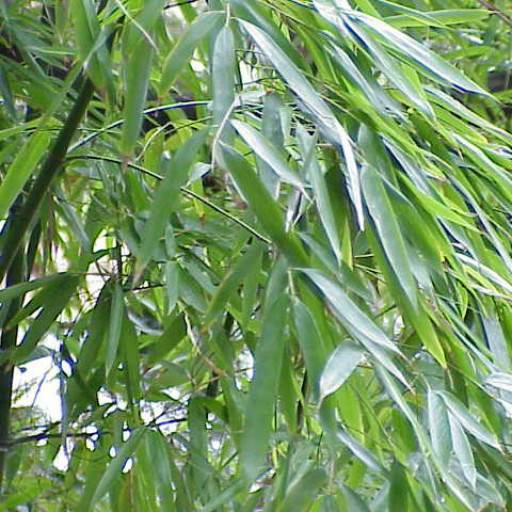
- 🍃 Lush Foliage: The leaves are relatively small, lance-shaped, and grow in dense clusters, creating a "feathery" look that provides excellent shade.
🏡 In Your Garden
- 🏃 A "Running" Habit: Unlike clumping bamboos, this species is a "runner," meaning it spreads via underground rhizomes. It is incredibly persistent; if you don't use a root barrier or large pots, it may eventually visit your neighbor’s yard!
- ☀️ Sun for Color: To get that signature gold color, the plant needs plenty of light. In deep shade, it will likely stay green. It is remarkably drought-tolerant once established, making it a "set it and forget it" plant for larger landscapes.
⚠️ Safety & Toxicity
- 🐾 Pet Friendly: Golden Bamboo is considered non-toxic to dogs, cats, and horses, making it a safe choice for pet-filled households.
- 🌱 Ecological Impact: While not toxic to touch or eat, its primary "danger" is to the local ecosystem. In many regions, it is considered invasive because it can outcompete native plants if left unmanaged.
✨ Fun Fact
The nickname "Fishpole Bamboo" isn't just a metaphor—the unique, compressed nodes at the base of the stems provide an ergonomic grip, making it a historical favorite for crafting walking sticks and traditional fishing rods.

Detailed Care Instructions
'Flavescens Inversa' has a yellow stripe on the lower portion of its canes. 'Holochrysa' canes turn golden faster than others of the species. 'Koi' canes turn yellow with green stripes.
Why are bamboo leaves turning yellow?
The most common reason for yellowing leaves is too much sunlight or too salty or fluoridated tap water. Water with filtered water and reduce its sun exposure.
Does bamboo flower?
Yes, bamboo blooms, but their intervals vary by species or type. Some bamboo varieties flower annually, and some will not flower for over 100 years. Golden bamboo rarely blooms, and when it does, it can take decades. Flowers are usually in the form of 2-inch spikelets with nearly a dozen flowers on them.
To grow Phyllostachys Aurea (also known as Golden Bamboo), you can follow these steps:
- Choose the right location: Phyllostachys Aurea prefers full sun to partial shade, so select a spot in your garden that receives at least 6 hours of direct sunlight per day. Ensure the area has well-draining soil.
- Prepare the soil: Bamboo plants like fertile, loamy soil. You can enrich the soil with organic matter, such as compost or aged manure, to improve its fertility and drainage.
- Planting: Dig a hole that is slightly larger than the root ball of the bamboo plant. Place the plant in the hole, ensuring that the top of the root ball is level with or slightly above the soil surface. Fill the hole with soil and gently firm it around the plant.
- Watering: Water the plant thoroughly after planting to settle the soil and provide moisture to the roots. Afterwards, water the bamboo regularly, especially during dry periods. Aim for deep, thorough watering rather than frequent shallow watering.
- Mulching: Apply a layer of organic mulch, such as wood chips or straw, around the base of the plant. Mulching helps retain soil moisture, suppresses weed growth, and regulates soil temperature.
- Fertilizer: Phyllostachys Aurea benefits from regular fertilization. Use a balanced slow-release fertilizer or apply compost or well-rotted manure around the plant in spring. Follow the instructions on the fertilizer packaging for proper application rates.
- Pruning and maintenance: Bamboo plants can spread rapidly, so regular maintenance is necessary to control their growth. Trim any unwanted shoots or rhizomes to prevent the bamboo from spreading beyond its desired area. Prune dead or damaged canes as needed.
- Controlling spreading: To prevent the bamboo from spreading uncontrollably, consider installing a rhizome barrier around the planting area. This is a non-permeable physical barrier that extends at least 18 inches below the ground and protrudes above the soil surface to prevent rhizomes from spreading horizontally.
- Winter care: Phyllostachys Aurea is a hardy bamboo that can withstand cold temperatures, but it may benefit from some winter protection in harsh climates. Mulch the base of the plant with straw or leaves to insulate the roots during cold winters.
Remember to check with your local gardening experts for any specific advice or regulations regarding the growth of bamboo in your area.

Place in a window with dappled sun or a spot in the middle of a room. Or directly in a window facing west or east.

Phyllostachys Aurea is a type of plant that requires regular watering to thrive. When it comes to watering, it is important to ensure that the soil around the plant is moist, but not overly saturated. Overwatering can cause root rot, which can be fatal to the plant.
To water the plant, you should first check the soil to see if it is dry. If the top layer of soil is dry to the touch, it is time to water. You should water the plant deeply, ensuring that the water reaches the roots. One way to do this is to water slowly, allowing the water to soak in and reach the root system.
It is important to note that the frequency of watering may vary depending on factors such as temperature, humidity, and the size of the plant. In general, Phyllostachys Aurea may require watering once per week or more during times of high heat or draught. You should also avoid watering the plant late in the day, as this can increase the chances of fungal growth and disease.
Overall, watering Phyllostachys Aurea requires careful attention and consideration to ensure the plant remains healthy and vibrant.
To fertilize this plant, first ensure that the soil is moist. Then, choose a balanced fertilizer with equal parts of nitrogen, phosphorous, and potassium. Apply the fertilizer evenly around the base of the plant, being careful not to allow any to touch the leaves or stems. Water the plant immediately after fertilizing to help the nutrients soak into the soil. Fertilize every 2-3 months during the growing season.
Phyllostachys Aurea, is a type of bamboo plant that requires well-draining soil with a pH level of 5.5 to 6.5. It prefers soil that is rich in organic matter and retains moisture. Loamy soils that are supplemented with peat moss, perlite, or vermiculite are ideal for its growth. The soil should be slightly acidic, well-aerated, and have good water retention capacity. Adding compost to the soil can provide the required nutrients for the plant's growth. It is important to avoid soils that are heavy in texture and do not drain well. It is also advisable to avoid soils that are too sandy, as they may dry out quickly and not retain enough moisture for the plant to thrive.
Phyllostachys Aurea can be propagated through a method called division. This involves carefully removing a portion of the plant, including its roots, and planting it in a new location. To do this, the soil around the plant must first be softened by watering it thoroughly. Next, a sharp tool such as a shovel or garden knife can be used to carefully divide the plant. The separated portion can then be replanted into a hole that is larger than the root ball and filled in with soil. It is important to keep the newly planted division well-watered until it becomes established.
Common pests of the golden bamboo include Thrips. Make a habit of checking your golden bamboo frequently for pests so that any infestations can be caught and managed early.








