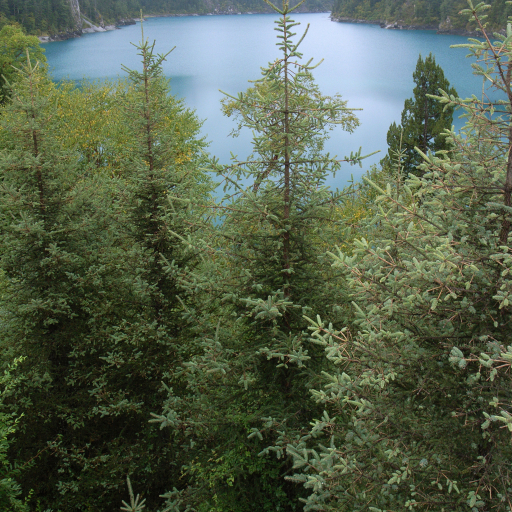
Plant Overview
The Dragon Spruce, known scientifically as Picea asperata, is a majestic conifer that looks like it stepped straight out of an ancient Chinese landscape painting. Hailing from the high-altitude mountains of Western China, it is celebrated for its rugged, "scaly" bark that resembles the skin of a mythical dragon. It is a slow-growing, resilient giant that brings a sense of ancient permanence and structure to any large-scale landscape.
🔍 How to Identify
- 🐲 The Bark: True to its name, the bark is grayish-brown and breaks into irregular, rough plates as it matures, giving it a weathered, "dragon-scale" appearance.
- 📐 Square Needles: Unlike many other evergreens, its needles are quadrangular (four-sided) in cross-section and are remarkably stiff and sharp to the touch.
- 🌲 The Cones: It produces elegant, cylindrical cones that hang downward; they start as a soft green and transition into a polished, chestnut brown when ripe.
🏡 In Your Garden
- 🌬️ Climate Warrior: This tree is incredibly hardy and can withstand freezing temperatures and high winds, making it an excellent choice for windbreaks or privacy screens in colder regions.
- 💧 Drainage is Key: While it is tough, the Dragon Spruce has a "weakness" for wet feet; it requires well-drained, slightly acidic soil and will struggle in areas where water sits after a rainstorm.
⚠️ Safety & Toxicity
- ✅ Non-Toxic: The Dragon Spruce is generally considered non-toxic to humans, dogs, and cats.
- 🌵 Physical Warning: The primary safety concern is its foliage. The needles are exceptionally prickly and stiff, which can cause skin irritation or minor scratches if you brush against them too hard.
✨ Fun Fact
The specific epithet asperata comes from the Latin word for "rough" or "harsh." This refers to the sandpaper-like texture of the tree's bark and the formidable, pointed needles that protect it from foraging animals in the wild.

Detailed Care Instructions
To grow Picea asperata, also known as Chinese silver fir, follow these steps:
- Climate requirements: Picea asperata thrives in regions with cool, mountainous climates, usually in USDA hardiness zones 6 to 8. It prefers well-drained soil and can tolerate full sun to partial shade.
- Seed collection: Collect fresh seeds from a mature Picea asperata tree. The cones turn yellow-brown and open to release the seeds in late summer or early fall. Only choose seeds from a healthy tree.
- Seed preparation: Soak the seeds in water for 24 hours to remove any germination inhibitors. Then stratify the seeds by placing them in a sealable plastic bag filled with moist sand or peat moss. Store the bag in the refrigerator at around 33-41°F (1-5°C) for 60-90 days. This simulated winter period helps break seed dormancy.
- Sowing: After stratification, sow the seeds in well-draining, nutrient-rich soil. Place the seeds on the surface and cover them with a thin layer of soil or perlite. Lightly press the soil to ensure good seed-to-soil contact.
- Watering: Keep the soil moist but not waterlogged. Avoid overwatering, as excessive moisture can lead to root rot. Mist the soil regularly to maintain proper moisture levels.
- Location: Choose a location that provides enough sunlight for the seedlings. Once the saplings reach a certain size, they can tolerate partial shade.
- Transplanting: When the seedlings have grown to a manageable size, usually after their first year, transplant them into larger containers or directly into the ground. Provide enough space for the root system to develop.
- Maintenance: Regularly water the plants, especially during dry periods. Mulching around the base of the tree helps retain soil moisture. Monitor for pests and diseases and take appropriate action if necessary. Prune as necessary to shape the tree and remove dead or damaged branches.
- Winter protection: Young Picea asperata trees may require protection from harsh winter conditions, especially in their early years. You can use burlap or a similar material to wrap the tree and provide insulation.
- Patience and care: Picea asperata is a slow-growing tree that requires time and patience to reach its full height. Regularly monitor its growth and provide consistent care to ensure its health and well-being.
Note: It is important to check your local regulations regarding seed collection and planting, especially if Picea asperata is a protected or endangered species in your region.

Place in a bright room that is sun drenched almost all day. Or directly in a south-facing window.

If you are caring for a Picea Asperata plant, it is important to water it properly in order to ensure its health and longevity.
1. Determine the plant's watering needs based on environmental conditions. Picea Asperata plants prefer moist but well-drained soil, so you will need to adjust watering frequency depending on factors like temperature, humidity, and sunlight levels.
2. Check the soil before watering. Insert your finger into the soil about an inch deep to see if it feels dry. If the soil is still wet, wait a day or two before watering. If it is dry, it is time to water.
3. Water the plant deeply and slowly. This means pouring water onto the soil until it starts to puddle around the base of the plant. Do not pour water directly onto the foliage.
4. Allow the soil to drain completely. After watering, wait for a few minutes to let excess water drain away. Do not let the plant sit in standing water, as this can lead to root rot.
5. Repeat as needed. Picea Asperata plants may need to be watered anywhere from once every few days to once per week, depending on the conditions in your home or garden.
Remember, it is always better to underwater than overwater your plant. Keep an eye on the soil and adjust watering accordingly to prevent waterlogging, which can be detrimental to the health of the Picea Asperata.
To fertilize this plant, you should use a slow-release granular fertilizer with an N-P-K ratio of around 10-8-6. Apply the fertilizer in early spring before new growth starts, and then again in mid-summer. Make sure to spread it evenly over the soil around the plant, avoiding direct contact with the trunk or foliage. Water the plant well after fertilizing to help the nutrients soak in. Avoid over-fertilizing, as this can damage the plant.
The ideal soil for Picea Asperata plant should be well-draining and rich in organic matter. It should have a slightly acidic to neutral pH level and should be able to hold moisture without becoming waterlogged. The soil texture should be loamy with good aeration to promote root growth. It is recommended to mix the soil with sand and perlite to improve drainage and prevent soil compaction. Also, it is essential to avoid using heavy clay soils, as they can restrict drainage and cause root rot. Overall, the soil used for Picea Asperata plant should support healthy growth and development of the plant.
To propagate this plant through stem cuttings, select a healthy and mature branch. Cut a section of the branch about 6 inches long, ensuring that it has several sets of needles. Remove the needles from the lower half of the cutting and dip the cut end into a rooting hormone powder. Plant the cutting in a pot containing well-draining soil mix and place it in a warm and humid location.
Another method to propagate this plant is through layering. Select a low-growing branch and gently bend it towards the ground. Make a small cut on the branch where it contacts with the soil. Cover the cut section with soil and hold it in place with a wire or a stick. Over time, new roots will grow from the cut section, and once they are well-established, the branch can be severed from the main plant and transplanted.








