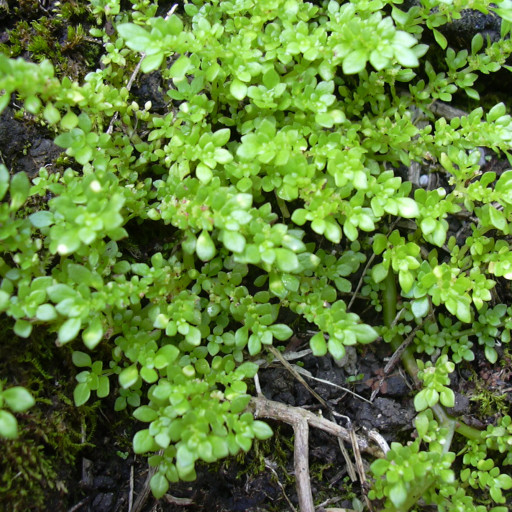
Plant Overview
Commonly known as the Artillery Plant or Gunpowder Plant, Pilea microphylla is a charming, fern-like groundcover that hides a surprising secret. Despite its delicate appearance, this tropical native is famous for its "explosive" personality, literally shooting pollen into the air. It’s a favorite for terrarium enthusiasts and those looking for a lush, mossy aesthetic without the finicky requirements of true mosses.
🔍 How to Identify
- 🌿 Teeny-Tiny Foliage: It features dense, overlapping, bright green leaves that are rarely larger than a few millimeters, giving it a soft, feathery texture.
- 🌱 Succulent Stems: The branches are light green, almost translucent, and quite fleshy, which helps the plant store a small amount of moisture.
- 🌸 Microscopic Blooms: The flowers are so small they are easily missed, appearing as tiny greenish-white clusters tucked away in the leaf axils.
🏡 In Your Garden
- 💧 Humidity is Key: While it has succulent-like stems, this plant thrives in high-humidity environments. If the air is too dry, the bottom leaves will quickly turn yellow and drop.
- ☀️ Indirect Light Specialist: It flourishes in bright, filtered light. In a garden setting, it works beautifully as a "filler" in the shade of larger tropical plants, but direct midday sun will scorch its delicate leaves.
- ✂️ Contained Growth: Because it spreads via creeping stems and self-seeding, it can become a bit enthusiastic. In tropical climates, it’s often used as a lush groundcover, but in pots, it requires occasional pinching to keep it from becoming leggy.
⚠️ Safety & Toxicity
- 🐾 Pet Friendly: The Pilea microphylla is generally considered non-toxic to cats, dogs, and horses, making it a safe choice for a busy household.
- 🤧 Pollen Sensitivity: While not "poisonous," the plant’s unique way of spreading pollen can occasionally irritate those with severe hay fever if the plant is kept in a small, unventilated room.
✨ Fun Fact
The name "Artillery Plant" comes from the plant’s incredible ability to forcibly discharge pollen into the air! When the male flowers reach maturity or are hit by a drop of water, they snap open and fire a cloud of pollen several inches away—a tiny, botanical fireworks display.

Detailed Care Instructions
| Humidity | Normal |
| Lighting | Part Sun |
| Toxicity | Non-Toxic |
| Difficulty | Medium |
| Temperature | 18°C - 25°C |
| Hardiness Zones | 9A - 11B |
To grow Pilea microphylla, also known as the artillery plant or baby tears, you can follow these steps:
- Climate: Pilea microphylla grows best in warm and humid climates. If you live in a region with cool temperatures, consider growing it indoors.
- Lighting: This plant thrives in bright, indirect sunlight. Avoid placing it in direct sunlight for long periods as it can scorch the leaves. Place it near a window or provide artificial lighting if necessary.
- Watering: Keep the soil consistently moist, but not waterlogged. Water when the top inch of soil feels dry. Ensure proper drainage to prevent root rot.
- Humidity: Pilea microphylla prefers high humidity levels. Mist the leaves regularly or place a tray filled with water near the plant to increase humidity.
- Soil: Choose a well-draining potting mix that retains some moisture. A mixture of peat moss, perlite, and compost works well for Pilea microphylla.
- Fertilizer: Use a balanced, water-soluble fertilizer during the growing season. Dilute it according to the instructions on the packaging and apply every 4-6 weeks.
- Pruning: Trim leggy or overgrown stems to maintain a bushy and compact appearance. This will also help the plant produce new growth.
- Propagation: Pilea microphylla is easy to propagate. You can take stem cuttings and root them in water or moist soil. Ensure each cutting has at least two leaf nodes.
- Pests: Monitor for pests like aphids or spider mites. If infestations occur, treat them with organic pest control methods or insecticidal soap.
Remember, Pilea microphylla thrives in slightly moist conditions and needs proper care to prevent it from drying out. With the right care and conditions, your plant should grow well and provide you with a carpet of tiny leaves.

Place in a window with dappled sun or a spot in the middle of a room. Or directly in a window facing west or east.

To properly water this plant, you will want to ensure that the soil is consistently moist but not waterlogged. Monitor the soil regularly and water when the top half inch to one inch feels dry to the touch. Use a watering can or low-flow hose attachment to water the soil directly and avoid getting water on the leaves. Make sure any excess water drains out of the bottom of the pot to prevent root rot. It's important to also pay attention to the humidity levels around the plant, as it prefers slightly higher humidity. Consider misting the leaves occasionally or using a humidifier in the room if necessary.
To fertilize this plant, use a balanced water-soluble fertilizer and dilute it to half strength. Apply the fertilizer every two weeks during the growing season, but avoid fertilizing during the plant's dormant period. Be careful not to over-fertilize, as this can cause fertilizer burn and damage the plant's roots.
When planting Pilea Microphylla, it is recommended to use a well-draining soil mixture that is rich in organic matter. The soil pH should be slightly acidic, between 6.0 and 7.0. A mixture of peat moss, perlite, and vermiculite can create an ideal growing medium for this plant. It is important to avoid using heavy clay soils or soils that retain too much moisture, as this can cause root rot and other fungal issues. Additionally, it is important to ensure that the soil is properly aerated to facilitate healthy root growth.
Propagating this type of plant can be accomplished through a process called propagating stem cuttings. Start by taking a cutting that is approximately 4-6 inches in length. Remove any leaves from the lower part of the stem, leaving only leaves at the top.
Fill a small container with moist potting soil or a rooting hormone. Place the stem cutting in the container, ensuring that the leafless part of the stem is buried in the soil.
Water the cutting and place it in a warm, humid location away from direct sunlight. Mist the plant daily to maintain moisture levels.
Within a few weeks, the plant should start to establish roots. Once new growth appears, it's a sign that the plant is ready to be transplanted into a larger container.
Common pests of the artillery plant include Mealybugs, spider mites, fungus gnats, thrips. Make a habit of checking your artillery plant frequently for pests so that any infestations can be caught and managed early.








