Plant Overview
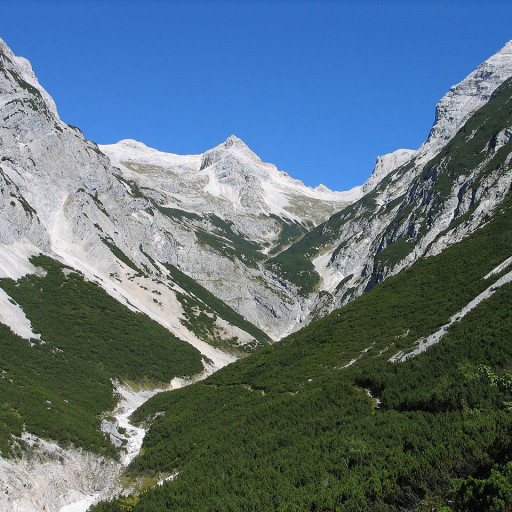
The Pinus mugo, fondly known as the "Mugo Pine" or "Mountain Pine," is the hardy explorer of the plant world. Originating from the high-altitude slopes of the European Alps and Carpathians, this evergreen is a favorite for those wanting a touch of the rugged mountains in their backyard. Its dense, shrub-like habit makes it look like a lush green cushion that stays vibrant even under a heavy blanket of winter snow.
🔍 How to Identify
- 🌿 Needle Pairs: The needles grow in bundles (fascicles) of two. They are typically dark green, slightly twisted, and about 1 to 3 inches long.
- 🕯️ Growth "Candles": In early spring, new growth emerges as upright, light-colored stalks called "candles" before the needles fully unfurl.
- 🌲 Compact Form: Unlike its towering cousins, the Mugo is usually a low-spreading, multi-stemmed shrub. It often looks like a rounded "pincushion" rather than a traditional pyramid-shaped tree.
🏡 In Your Garden
- 🏔️ Alpine Toughness: Because it evolved in harsh mountain conditions, this pine is incredibly resilient to wind, salt, and extreme cold. It thrives in well-draining soil and absolutely demands full sunlight to keep its dense, healthy shape.
- ✂️ The Art of "Candling": This is a slow grower, but it can get "leggy" if left alone. To maintain a tight, ornamental look, gardeners practice "candling"—pinching off half of the new spring growth before the needles emerge to encourage a thicker, bushier habit.
⚠️ Safety & Toxicity
- 🐾 Pet Friendly: The Mugo Pine is generally considered non-toxic to dogs, cats, and horses, making it a safe choice for family landscapes.
- 🌵 Physical Caution: While not chemically poisonous, the needles are stiff and can be quite sharp. Curiously reaching toddlers or pets might experience minor skin irritation or tiny scratches if they dive headfirst into the foliage.
✨ Fun Fact
Because of its slow growth rate and naturally gnarly, flexible branches, the Mugo Pine is one of the most prized species in the world of Bonsai. It is often used to symbolize "immortality" and "steadfastness" in living art.

Detailed Care Instructions
| Lighting | Full Sun |
| Hardiness Zones | Max 7B |
Growing a Pinus mugo plant, also known as mountain pine or mugo pine, requires the right environmental conditions and proper care. Here are some steps you can follow to successfully grow Pinus mugo:
- Select a suitable location: Pinus mugo prefers well-drained soil and full sun to grow properly. Choose a location with good air circulation and enough space for the tree to reach its mature size.
- Prepare the soil: Amend the soil with organic matter like compost to improve drainage and fertility. Avoid heavy clay soils as they can lead to waterlogging, which the plant doesn't tolerate well.
- Planting: Plant your Pinus mugo in the spring or fall, allowing it sufficient time to establish its root system before extreme temperatures. Dig a hole twice as wide as the root ball and slightly deeper. Place the plant in the hole, ensuring the top of the root ball is level with or slightly above the ground. Backfill the hole with soil and firm it gently around the plant.
- Watering: Initially, water the plant deeply to help establish its roots. Afterward, provide regular watering, especially during dry periods. However, Pinus mugo is moderately drought-tolerant once established, so avoid overwatering, as it can lead to root rot.
- Mulching: Apply a layer of organic mulch, such as wood chips or pine needles, around the base of the plant. Mulching helps retain moisture, suppress weeds, and moderate soil temperature.
- Pruning: Pinus mugo generally has a compact habit and does not require much pruning. However, you can trim off any dead, damaged, or wayward branches as needed. Pruning should ideally be done in late winter or early spring before new growth emerges.
- Fertilization: Avoid excessive fertilization, as it can harm the plant. In most cases, Pinus mugo doesn't require additional fertilizers if planted in healthy soil. However, if growth appears stunted or the foliage looks pale, you can apply a slow-release, balanced fertilizer according to the manufacturer's instructions.
- Pests and diseases: Pinus mugo is relatively resistant to most pests and diseases. However, occasional issues may arise, such as aphids or pine needle scale. Monitor your plant regularly for any signs of infestation or disease and take appropriate measures to control them.
Remember, growing Pinus mugo requires patience, as it is a slow-growing tree. With proper care and suitable conditions, your Pinus mugo plant should thrive and enhance your landscape.

Place in a bright room that is sun drenched almost all day. Or directly in a south-facing window.

Pinus Mugo is a type of plant that grows in various regions around the world. This plant requires a sufficient amount of water to thrive and to maintain its appearance. To water this plant, you should follow these steps:
1. Water the plant when the soil is dry - Allow the soil to dry out before watering the plant to avoid over watering.
2. Water deeply - Make sure to water the plant until the soil is moist to a depth of at least six inches; this helps the roots to grow deeply and develop a strong foundation.
3. Water at the base of the plant - Avoid watering the leaves or needles of the plant as this could cause damage or disease.
4. Use a watering can or hose with a gentle flow - Avoid using a hose with high water pressure, which can damage the plants.
5. Water during the early morning or late evening - This helps to avoid evaporation from the sun, giving the plant more time to absorb the water.
By following these simple tips, you can keep your Pinus Mugo plant healthy and thriving for years to come.
- Start fertilizing in early spring, before new growth appears.
- Use a slow-release fertilizer specifically formulated for evergreen trees.
- Apply the fertilizer evenly around the base of the plant.
- Water the plant thoroughly after applying fertilizer to help it absorb the nutrients.
- Repeat fertilization once or twice annually, depending on the plant's growth rate and the fertilizer label instructions.
- Do not over-fertilize, as this can lead to burns and other damage to the plant.
The best type of soil to use with the Pinus Mugo plant is a well-draining soil that is slightly acidic. The soil should be nutrient-rich and preferably contain a mixture of organic matter. It is recommended to use a soil that is specifically formulated for coniferous plants. Avoid using heavy or clay soils that can hinder water drainage and lead to root rot. Before planting, it is important to loosen the soil in the planting area and add some compost or peat moss to improve the soil quality. Regular fertilization is also recommended to ensure healthy growth and development of the plant.
To propagate this type of plant, you will need to collect seeds or cuttings. For seeds, let the cones mature and dry on the plant before harvesting. Then, remove the seeds from the cones and store them in a cool, dry place until you are ready to plant them.
For cuttings, select a healthy branch and cut a section with a sharp, clean pair of scissors or pruning shears. Remove any needles from the bottom third of the cutting and dip it in rooting hormone. Plant the cutting in a well-draining potting medium and keep it moist until roots develop.
Both methods require patience and care, as Pinus Mugo plants can take several years to reach maturity. Additionally, it is important to ensure that the new plants are grown in a suitable environment with proper sunlight, soil, and water conditions.
Common pests of the dwarf mountain-pine include Scale insect, spider mites, aphids. Make a habit of checking your dwarf mountain-pine frequently for pests so that any infestations can be caught and managed early.








