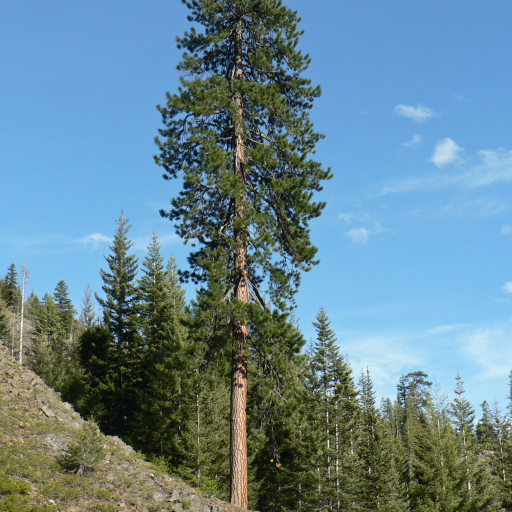
Plant Overview
The Pinus ponderosa, famously known as the Ponderosa Pine or "Western Yellow Pine," is the towering sentinel of the American West. Often referred to as the "Bull Pine" due to its rugged strength, this tree has played a vital role in everything from indigenous medicine to the timber industry. Its most enchanting secret is its bark, which, on a warm sunny day, releases a sweet aroma that many describe as smelling like creamy vanilla or butterscotch.
🔍 How to Identify
- 🌲 The Needles: Look for long, flexible, yellowish-green needles that typically grow in bundles of three (occasionally two). They can reach up to 10 inches in length, giving the branches a "tufted" or pom-pom appearance.
- 🍦 The Bark: Younger trees have dark, nearly black bark, but as they age, they develop stunning orange-brown plates separated by deep black crevices. If you get close and sniff a furrow in the bark, you'll catch that famous dessert-like scent.
- 🌵 The Cones: These are egg-shaped and reddish-brown. A key identifying feature is the sharp prickle at the tip of each scale that points outward—be careful when picking them up!
🏡 In Your Garden
- 📏 Space is Key: This is not a "foundation plant." Because of its massive mature height and deep taproot, it needs vast open spaces. It is best suited for large acreages or windbreaks rather than small suburban yards.
- 🔥 Fire Resilience: The Ponderosa has evolved to survive wildfires. Its exceptionally thick bark acts as a heat shield, and it naturally drops its lower branches to prevent ground fires from climbing into the canopy.
- 💧 Drought Champion: Once established, this pine is incredibly hardy. It thrives in well-drained, sandy, or gravelly soils where other trees might wither, making it a "set it and forget it" giant for dry climates.
⚠️ Safety & Toxicity
- 🟢 General Safety: The Ponderosa Pine is generally considered non-toxic to humans and common household pets like dogs and cats.
- 🐾 Livestock Warning: While safe for pets, the needles are known to cause "Pine Needle Abortion" in cattle if consumed in large quantities. If you live on a farm, keep your cows away from the fallen needles.
- 🌵 Physical Hazard: The cones are quite heavy and have sharp spines. Wear gloves if you are collecting them for crafts to avoid small punctures.
✨ Fun Fact
The Ponderosa Pine is a literal record-breaker. One specific tree in Oregon, nicknamed "Phalanx," stands at over 268 feet tall—that’s nearly the height of the Statue of Liberty! It currently holds the title of the tallest known pine tree in the world.

Detailed Care Instructions
| Color | Non-Flowering |
| Soil Ph | Acidic |
| Soil Type | Well-Drained Sandy To Gravely Loams |
| Bloom Time | Non-Flowering |
| Plant Type | Coniferous Tree |
| Mature Size | 60 To 125 Ft. Tall, 25 To 30 Ft. Wide |
| Native Area | Western North America |
| Sun Exposure | Full Sun |
| Hardiness Zones | 3-7 |
To grow a Pinus Ponderosa plant, also known as a Ponderosa Pine, you can follow these steps:
- Obtain seeds or seedlings: You can purchase Pinus Ponderosa seeds or seedlings from a reputable nursery or online supplier. Make sure to choose a healthy and viable source.
- Prepare the planting site: Select a sunny location with well-drained soil. Remove any weeds or grass in the area and loosen the soil to allow for better root penetration.
- Plant the seeds or seedlings: If you have seeds, you can sow them directly into the prepared soil according to the package instructions. If using seedlings, dig a hole slightly larger than the root ball and gently place the seedling into the hole. Cover with soil and pat it down carefully.
- Watering: Keep the soil consistently moist, especially during the first year. However, avoid overwatering, as it may cause root rot. Water deeply and less frequently rather than providing shallow and frequent watering.
- Mulching: Apply a layer of organic mulch around the base of the plant to help retain moisture and regulate soil temperature. Keep the mulch a few inches away from the trunk to prevent rot.
- Fertilization: Ponderosa Pines generally do not require regular fertilization. However, you can apply a slow-release, balanced fertilizer once or twice a year during the growing season to promote healthy growth.
- Pruning: Pinus Ponderosa does not require extensive pruning, but you can remove any dead, damaged, or crossing branches. Prune in late winter or early spring before new growth begins.
- Protection: Protect young plants from extreme weather conditions, such as strong winds or frost, by using temporary shelters or covering the plant.
- Monitor and provide care: Regularly monitor the plant for signs of pests or diseases. In case of infestation or disease, take appropriate measures, such as using organic pest control methods or seeking professional help.
- Patience: Growing a Pinus Ponderosa from seed can take several years to reach maturity. Be patient and provide consistent care to ensure healthy growth.
Remember, Ponderosa Pines are large trees that can reach heights of up to 180 feet, so make sure you have adequate space for their growth.

Place in a window with dappled sun or a spot in the middle of a room. Or directly in a window facing west or east.

To water this particular plant, first check the soil with a moisture meter or by sticking your finger a few inches down into the soil. If the soil feels dry to the touch, it's time to water. Use a watering can or hose with a gentle, steady stream of water to evenly saturate the soil around the plant's roots. Avoid over-watering as this can cause root rot or other issues. It's best to water deeply and infrequently rather than shallowly and often. The frequency of watering will depend on factors such as the climate, time of year, and soil type. Always monitor the plant's moisture levels and adjust watering as needed.
To nourish this plant, apply a slow-release, balanced fertilizer containing nitrogen, phosphorus, and potassium in early spring before new growth begins. You can also use a high-phosphorus fertilizer to encourage root development in young or stressed plants. Avoid fertilizing after mid-summer to prevent stimulating late-season growth that may not harden off in time for winter. Always follow the recommended application rate on the fertilizer label and water the plant thoroughly after applying.
The recommended soil for the Pinus Ponderosa tree is well-drained, sandy loam soil with a pH range of 5.5 to 7.5. The soil should be fertile and contain adequate organic matter to promote root growth. The tree prefers a slightly acidic soil but can adapt to a range of soil types, including clay and gravelly soils. It is important to avoid heavy, compacted soils, as they can inhibit root growth and lead to root rot. Furthermore, the soil should be irrigated appropriately to maintain adequate moisture levels for the tree's health.
To propagate this plant, you can collect seeds from mature cones in the fall. Rub the cones between your hands to separate the seeds from the cone scales. Stratify the seeds by placing them in a plastic bag with moist sand or vermiculite and storing them in the refrigerator for 30-60 days. Next, plant the seeds in a well-draining medium and keep them moist. Germination should occur within a few weeks to a few months. Another way to propagate this plant is through stem cuttings taken from new growth in the spring or early summer. Dip the cuttings in rooting hormone and plant them in a well-draining medium. Keep the medium moist and place the cuttings in a location with bright, indirect light. Rooting should occur within a few weeks.
Common pests of the ponderosa pine include Scale insect, spider mites, aphids. Make a habit of checking your ponderosa pine frequently for pests so that any infestations can be caught and managed early.








