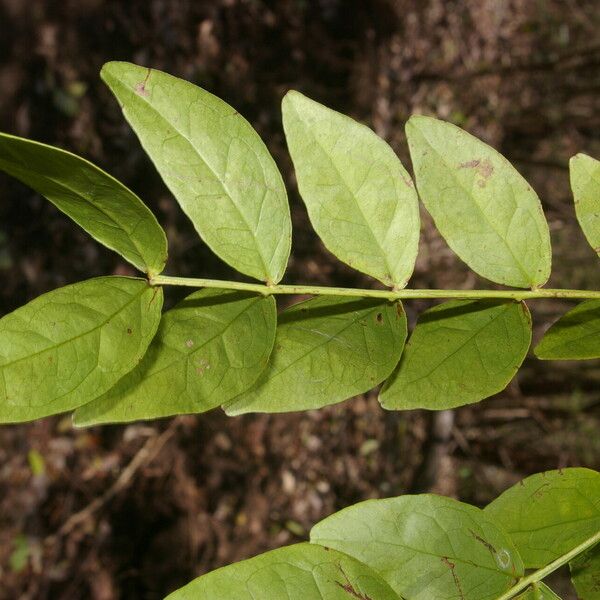
Plant Overview
Often called the "Monkeypod’s Cousin" or "Capiá," this tropical beauty is cherished for its intricate, lace-like foliage that seems to dance in the slightest breeze. It brings a touch of the exotic to any landscape with its spiral-shaped seed pods that look like whimsical jewelry hanging from the branches. In its native tropical habitats, it is valued for creating a "dappled shade" effect, protecting smaller plants from the harsh midday sun.
🔍 How to Identify
- 🌿 Bipinnate Foliage: The leaves are twice-divided, meaning each leaf branch holds dozens of tiny, symmetrical leaflets, giving the plant a soft, fern-like texture.
- 🌸 Puffball Blooms: It produces clusters of white or pale cream flowers that look like tiny pom-poms or "powder-puffs," consisting primarily of long, silky stamens.
- 🥨 Curled Pods: The most distinctive feature is the seed pod, which often twists or coils into a circular shape as it dries, eventually splitting open to reveal dark, glossy seeds.
🏡 In Your Garden
- 🌞 The "Forever" Spot: Because this plant develops a deep, sturdy taproot, it is notoriously difficult to transplant once it has settled. It is best to choose a permanent location with plenty of room for its canopy to spread.
- 💧 Drainage is Key: While it enjoys tropical humidity, it cannot tolerate "wet feet." It thrives in sandy or loamy soils where water moves freely, preventing the roots from suffocating.
- ✂️ Shape Management: It has a naturally sprawling, somewhat wild growth habit. Light pruning after the flowering season helps maintain a tidy shape and encourages denser foliage growth.
⚠️ Safety & Toxicity
- 🐾 General Status: This plant is generally considered non-toxic to humans and common household pets like cats and dogs.
- 🦷 Physical Hazards: The primary concern is the hard seed pods; if swallowed by small pets or children, they can pose a choking hazard. Additionally, some subspecies may have tiny, inconspicuous thorns along the branches, so handle with care during pruning.
✨ Fun Fact
The genus name Pithecellobium is derived from the Greek words for "Monkey Earring," a charming reference to the way the curly, twisted seed pods dangle from the branches like oversized jewelry for primates!

Detailed Care Instructions








