Plant Overview
Often called "Silkgrass" or "Narrowleaf Silkgrass," Pityopsis graminifolia is a shimmering native of the Southeastern United States. While it looks like an ornamental grass for most of the year, it transforms into a golden spectacle in late summer. Its metallic, silvery foliage gives it a "moonlit" appearance, making it a favorite for gardeners looking to add texture and light to dry, sunny spots.
🔍 How to Identify
- ✨ Silvery Sheen: The most striking feature is the coating of fine, silky hairs on the leaves, which gives the plant a distinct metallic or silver-green glow.
- 🌾 Grass-like Foliage: True to its species name (graminifolia means "grass-leaved"), the leaves are long, narrow, and stiff, growing in a dense basal rosette.
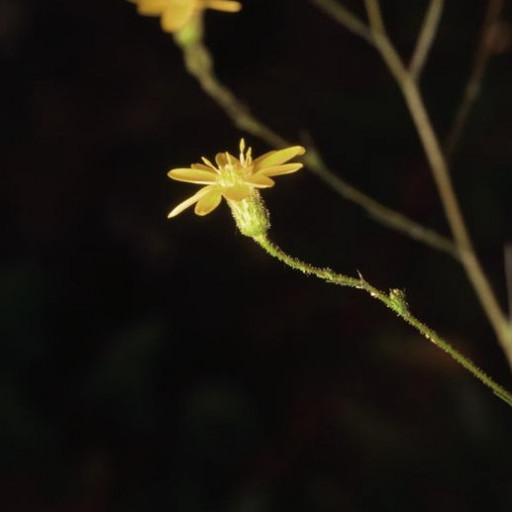
- 🌼 Golden Flowers: In late summer and fall, it sends up tall, branched stalks topped with bright yellow, daisy-like flowers that attract a flurry of pollinators.
🏡 In Your Garden
- 🏜️ Thrives on Neglect: This plant is a specialist for "difficult" areas. It prefers nutrient-poor, sandy soils and actually becomes leggy and weak if the soil is too rich or over-fertilized.
- ☀️ Built-in Sunscreen: The silver hairs aren't just for looks; they reflect intense sunlight and trap moisture close to the leaf surface, making this one of the most drought-tolerant perennials for a rock garden or meadow.
⚠️ Safety & Toxicity
- ✅ Non-Toxic: Pityopsis graminifolia is generally considered safe and non-toxic for humans, cats, and dogs.
- 🦋 Pollinator Friendly: It is a vital nectar source for migrating butterflies and native bees, making it a safe and productive addition to any "wildlife-friendly" backyard.
✨ Fun Fact
If you rub the leaves gently between your fingers, they feel like soft velvet or expensive silk. In the past, children in the rural South would reportedly play with the leaves, weaving the "silk" strands together!

Detailed Care Instructions
To grow Pityopsis graminifolia (formerly known as Eupatorium capillifolium), you can follow these steps:
- Obtain the seeds or plants: You can either purchase seeds or acquire young plants from a reputable nursery or online garden centers.
- Choose the right location: Pityopsis graminifolia thrives in full sun to partial shade. Select a spot in your garden with well-draining soil. It can tolerate a variety of soil types, including sandy or clayey soils.
- Prepare the soil: Amend the soil with organic matter like compost to improve its fertility and drainage. Remove any weeds or competing vegetation from the planting area.
- Planting seeds: If you have seeds, sow them directly into the soil in the spring or early summer once the frost has passed. Lightly cover the seeds with a thin layer of soil, keeping it moist until germination.
- Planting young plants: Dig a hole in the soil that is slightly larger than the root ball of the young plant. Gently place the plant in the hole and backfill with soil. Water thoroughly.
- Watering: Pityopsis graminifolia prefers moderately moist soil. Water the plant regularly, keeping the soil evenly moist but not waterlogged. During periods of drought, ensure adequate irrigation.
- Mulching: Apply a layer of organic mulch around the base of the plant to help retain moisture, suppress weed growth, and insulate the roots during extreme temperatures.
- Fertilization: Pityopsis graminifolia typically does not require regular fertilization. However, you can apply a balanced slow-release fertilizer once a year in early spring if desired.
- Pruning: Prune off any dead or damaged foliage to maintain a neat appearance. In late winter or early spring, you can also cut back the plant to encourage new growth.
- Pest and disease control: Pityopsis graminifolia is generally resistant to pests and diseases. However, occasionally, you may encounter issues like powdery mildew or aphids. Treat any pests or diseases accordingly using organic or chemical control methods if necessary.
- Propagation: Pityopsis graminifolia can be propagated through division. Every few years, lift the plant from the ground and carefully separate the root clumps into smaller sections. Replant the divided sections, ensuring they have enough space to grow.
By following these steps, you can successfully grow Pityopsis graminifolia in your garden and enjoy its beautiful yellow flowers.

Place in a bright room that is sun drenched almost all day. Or directly in a south-facing window.

Pityopsis graminifolia is a perennial herbaceous plant that is native to certain regions in North America. In order to water this plant, it is important to consider the specific needs of the plant.
Firstly, it is recommended to water the plant regularly, particularly during the growing season. However, it is important to avoid overwatering, as this can lead to waterlogged soil and root rot. A good indicator of when to water the plant is to check the soil moisture level by inserting a finger into the soil. If the soil feels dry to the touch, it is time to water the plant.
When watering, it is recommended to water at the base of the plant rather than from above, as this can help prevent the leaves from becoming waterlogged and developing diseases. Additionally, it is recommended to use a drip irrigation system or watering can with a spout, as this can help you control the amount of water that is being delivered to the plant.
It is also important to consider the type of soil that the plant is growing in. Pityopsis graminifolia typically prefers well-draining soil that is rich in organic matter. If the soil is too compacted or heavy, it can prevent water from reaching the roots, leading to drought stress.
Overall, watering Pityopsis graminifolia requires regular attention and care, taking into account the specific needs of the plant to ensure healthy growth.
To fertilize Pityopsis graminifolia, use a balanced, slow-release fertilizer with equal amounts of nitrogen, phosphorus, and potassium. Apply the fertilizer in the spring when the plant begins to actively grow, and again in late summer. Avoid over-fertilizing, which can lead to excessive foliage growth and decreased flower production. Water the plant well before and after fertilizing to help distribute the nutrients evenly throughout the soil. Follow the manufacturer's instructions for the amount of fertilizer to use based on the size of the plant.
Pityopsis graminifolia prefers to grow in soil that is well-draining, slightly acidic, and rich in organic matter. A mix of 50% sandy loam soil and 50% organic compost is recommended for optimal growth and development. The soil should be kept consistently moist but not saturated, with proper drainage to avoid waterlogging. It is important to avoid using heavy, clay soils or soils that are prone to compaction, as they can restrict root growth and ultimately harm the plant. Additionally, fertilization with a balanced, slow-release fertilizer can help provide essential nutrients for healthy growth and vibrant blooms.
One way to propagate this plant is through division. Carefully dig up the mature plant and separate it into smaller sections, making sure that each section has roots and foliage. Replant each section in a well-draining soil mix and keep the soil moist until the new plant establishes itself.
Another way is through stem cuttings. Take a cutting from a healthy stem and remove the lower leaves. Dip the cut end into rooting hormone and plant it in a well-draining soil mix. Cover the container with plastic wrap to create a greenhouse effect and keep the soil moist. Once new growth appears, remove the plastic wrap and gradually acclimate the plant to outdoor conditions.
Finally, Pityopsis graminifolia can also be grown from seeds. Collect the seeds from a mature plant and sow them in a well-draining soil mix. Lightly cover the seeds with soil and keep the soil moist. Place the container in a warm and bright location, but not in direct sunlight. Once the seedlings appear, thin them out to provide enough space for each plant to grow and develop.








