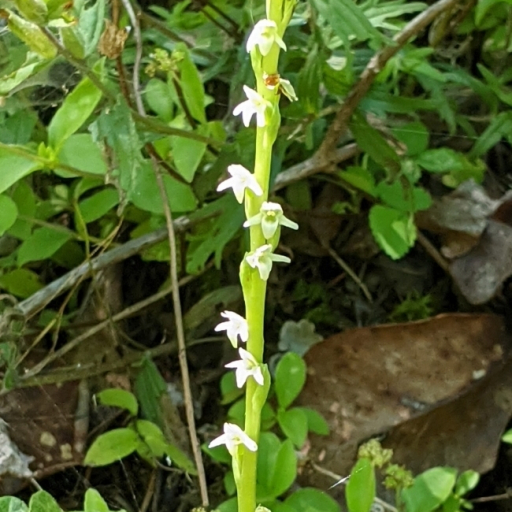
Plant Overview
Known for its ethereal, fleeting beauty, Platanthera ephemerantha is a hidden gem of the orchid world. Its name literally translates to "short-lived flower," nodding to the brief window of time its delicate blooms grace the forest floor. Often found in damp, dappled light, this orchid feels like a secret whispered by the wilderness, appearing and vanishing with the rhythm of the seasons.
🔍 How to Identify
- 🌸 The Bloom: Features a loose spike of small, pale, almost translucent flowers that look like tiny, hovering spirits.
- 🍃 The Leaves: Typically sports two broad, shiny basal leaves that lie relatively flat against the ground, acting as a solar panel for the plant.
- 🪄 The Spur: Look closely at the back of the flower to find a long, slender nectar spur—a specialized "straw" designed for very specific pollinators.
🏡 In Your Garden
- 🪵 The Fungal Partnership: This orchid is a "mycorrhizal specialist," meaning it survives through a complex underground handshake with specific soil fungi. Because of this, it is notoriously difficult to grow in standard garden pots and should never be dug up from the wild.
- 💧 Woodland Preference: In its natural habitat, it thrives in "Goldilocks" conditions—soil that is consistently moist and rich in leaf mold, but never soggy enough to rot its delicate tuberous roots.
⚠️ Safety & Toxicity
- 🐾 Safe Status: This orchid is generally considered non-toxic to humans, cats, and dogs. It contains no known irritants or poisons.
- 🛑 Conservation Alert: The primary safety concern is for the plant itself. Many Platanthera species are rare or protected. Picking the flowers prevents the plant from seeding, which can lead to the local extinction of the colony.
✨ Fun Fact
These orchids are the "perfumers of the night." While they may look unassuming during the day, they release a heavy, intoxicating scent after sunset. This is a targeted invitation for hawkmoths, whose exceptionally long tongues are the only tools capable of reaching the nectar hidden deep within the orchid's spur.

Detailed Care Instructions








